Quick answer: Check your roof yourself at least twice a year, in spring and fall, from the ground and from the attic. Book a professional inspection after any severe storm with high winds, heavy hail or falling tree limbs, and every year once an asphalt roof is past 15 years old.
Most homeowners never look up at their shingles until water starts dripping onto the living room floor. As roofers, we see this exact scenario play out constantly. You sit down to watch TV, notice a brown water spot spreading across the ceiling, and suddenly you are facing a major repair bill.
Waiting for a visible leak means you are already too late. Your roof takes a beating from the weather every single day, and ignoring routine care can lead to rot that could have been avoided.
So, how often should you inspect your roof to actually prevent these expensive headaches? Some people guess that an annual glance from the driveway is enough. Jersey Shore weather calls for a stricter approach.
The Baseline Rule: Twice-Yearly Checks (Spring and Fall)
Spring and fall are your two critical windows. They bracket the hardest weather of the year. A spring check reveals what winter ice and freezing temperatures did to your shingles. A fall review gets your house ready for winter, and it is when you clear dead leaves out of the gutters before the snow flies. Following a seasonal checklist in these two seasons is the easiest way to catch small problems early.
What the National Roofing Contractors Association Recommends
You don’t just have to take our word for it. The National Roofing Contractors Association (NRCA) recommends that homeowners inspect their roofs twice a year, in spring and fall. Sticking to this routine helps your roof reach its full lifespan.
Event-Driven Inspections: When Severe Weather Strikes
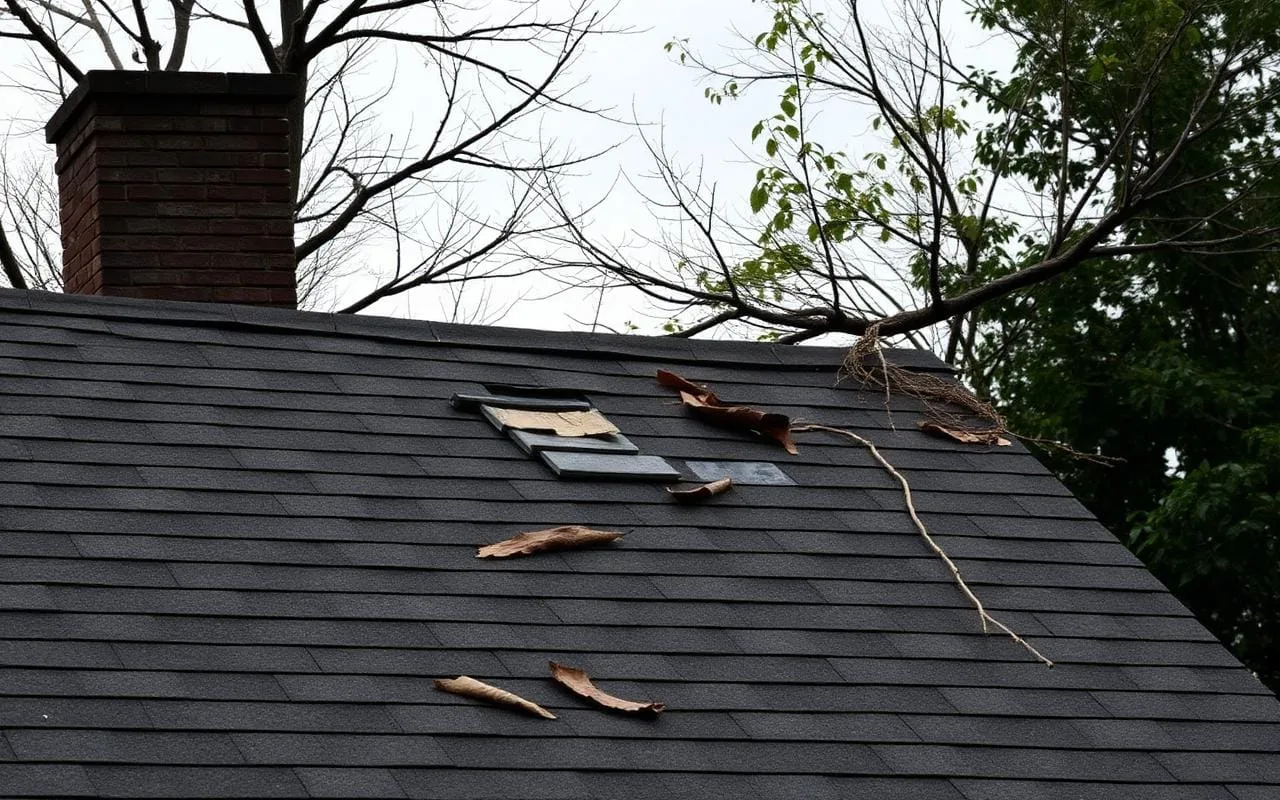
Normal schedules go right out the window when extreme weather hits. If a severe storm rolls through your neighborhood (the National Weather Service sets the bar at winds of 58 mph or hail the size of a quarter), you need an off-schedule check. Look for signs of storm or hail damage the morning after a major weather event. Wind lifts shingles and breaks the sealant bond, while hail bruises asphalt and strips away protective granules. When the damage is real, our storm damage team documents it with photos and a written report you can give your insurer.
Recommended Roof Inspection Schedule by Factor
Your exact inspection frequency depends heavily on the condition of your home. A blanket rule doesn’t fit every property.
How Roof Age Impacts Inspection Frequency
A newer roof with no known issues usually just needs your own spring and fall checks, plus a professional look after major storms. Once an asphalt roof passes the 15-year mark, wear starts to show more: sealants dry out, asphalt gets brittle, and the edges begin to curl. That is when a yearly professional inspection is worth booking, plus a check after every major storm.
Roofing Materials Matter: Asphalt Shingles, Metal, Tile, and Slate
Different roofing materials wear at completely different rates.
- Asphalt shingles: Need frequent checks for missing granules and cracked edges.
- Metal roofs: Very durable against wind, but on exposed-fastener panels you need to check the rubber washers around the screws to make sure they haven’t dried out.
- Tile and slate: Long-lived on the surface, but the underlayment beneath can wear out before the tile or slate does. They require careful checks of the flashing.
Local Climate and Weather Exposure (Snow, Hail, Heavy Wind, and Sun)
Where you live dictates how fast your exterior ages. Years of harsh summer sun dry out asphalt and wear away its granules. In winter, heat escaping through the attic melts snow that refreezes at the colder eaves, and those ice dams can tear gutters off the fascia board. Salt air and wind exposure add up too: roofs near the bay or the ocean in Ocean and Monmouth County age faster than inland roofs, so the closer you are to the water, the more the yearly check is worth.
DIY Ground-Level Roof Inspection vs. Professional Assessment
| Feature | DIY Ground Inspection | Professional Inspection |
|---|---|---|
| Frequency | Spring, fall and after storms | After severe storms; yearly once the roof is past 15 years |
| Safety risk | Low (done from ground level) | Handled by a trained, insured crew |
| What is checked | Visible shingles, gutters, siding, attic | Shingles, flashing, deck by foot, gutters, attic |
| Cost | Free | Free with Quality Roof Pros |
What You Can Safely Check From the Ground
Stay off the ladder. Ladder falls are one of the most common ways homeowners get hurt doing their own roof checks. Grab a pair of binoculars and scan your roof from the driveway. You can spot a surprising amount of damage with both feet firmly planted on the grass. Look for obvious missing pieces, tree branches resting on the roof, or gutters hanging loose.
Hidden Warning Signs You Can Only Spot in the Attic
Many leaks begin where you can’t see them from the yard. Grab a flashlight and check your attic. Look for dark water stains on the plywood decking, mildew smells, or rusted roofing nails poking through the wood. Pay attention to the temperature too: poor attic ventilation bakes your shingles from the inside out.
When It’s Time to Call a Professional Roofing Contractor
If you suspect structural issues, find shingles scattered in your yard, or notice a leak, do not risk a DIY patch job. Call a licensed, insured roofer for a safe, complete evaluation. Walking on a damaged roof can cause more damage.
Top Warning Signs Your Roof Needs an Immediate Checkup
Pro tip: If you notice roofing crews working on your neighbors’ houses after a recent storm, your roof may have taken a hit too. It is worth a look.
Missing, Cracked, or Curling Shingles
Your shingles are the armor of your home. When they crack, lose tabs, or curl up at the edges, they can let rain reach the underlayment beneath.
Granule Loss in Gutters and Downspouts
Next time it rains, look at the water coming out of your downspouts. If it looks like dark, coarse sand is washing out, those are the granules from your shingles. Granules protect asphalt from sun damage, so heavy granule loss is a sign of wear or damage worth checking.
Damaged or Rusted Flashing Around Chimneys and Vents
Flashing is the thin sheet metal that seals the joints around chimneys, vents and pipes. It is one of the most common starting points for residential roof leaks. Rusted or lifted flashing needs attention quickly; our flashing guide covers what each type does.
Interior Indicators: Water Stains, Mold, and Sagging Decking
Brown circular stains on a top-floor ceiling usually mean water is getting in, and a roof leak is one of the first things to rule out (plumbing and HVAC condensation can cause them too). Never ignore interior moisture. Even a small, steady drip can rot the framing.
What to Expect During a Professional Roof Inspection
Step-by-Step Breakdown of a Standard Assessment
When we inspect a roof, we walk it and feel for soft spots in the deck, look over the shingle field for granule loss and lifted tabs, check the flashing at every chimney, pipe boot and skylight, check the gutters and drainage, and look at the attic side when it is accessible. Every finding is photographed for your written report. See the full checklist on our roof inspection page.
What a Roof Inspection Costs
Our inspections are free, and the written photo report is yours either way. If you’re buying or selling a home, mention it when you book.
How Regular Roof Inspections Help Control Repair Costs
Extending Roof Lifespan and Protecting Warranties
Routine care helps a roof reach the full lifespan it was built for. Manufacturer warranties generally don’t cover damage caused by neglect, so a record of regular inspections helps if you ever need to make a claim. Our roof warranty guide explains how the coverage works.
Catching Minor Leaks Before Structural Rot Occurs
Sealing a small gap in your chimney flashing is a minor roof repair today. Ignoring it until the wooden roof decking rots costs far more. Catching issues early is one of the best ways to control your total repair costs over the life of your home.
Boosting Home Resale Value
Home buyers get nervous about old roofs. A folder of documented professional inspections documents that you took care of the property and gives potential buyers peace of mind.
Why Trust Quality Roof Pros?
Hands-On Experience Since 1978
Quality Roof Pros is a family-owned roofer based in Brick Township. Owner Charles Kearns has been in construction since 1978. We handle storm damage repairs and preventive maintenance across Ocean, Monmouth, Middlesex and Atlantic Counties, so we know how shore weather wears down a roof.
Honest Assessments and Transparent Advice
We believe informed homeowners make the best decisions for their properties. Every inspection is free, and if work is needed you get a line-item written estimate with no pressure to sign on the spot. If nothing needs fixing, we tell you that too.
Helping Homeowners Protect Their Biggest Investment
Whether you need a storm check before winter or a full evaluation of your roof, our goal stays the same: protect your home and tell you the truth about its condition.
Conclusion
Waiting for a brown water spot to ruin your living room ceiling is a terrible maintenance strategy. Catching small problems early is one of the best ways to avoid writing a painful check for emergency repairs. Stop guessing about the condition of your shingles. Stick to a twice-yearly check, grab your binoculars after heavy storms, and bring in a pro the moment something looks suspicious. Book a free roof inspection this season, seal up those minor flashing gaps, and keep the weather outside where it belongs.
Frequently Asked Questions
Can I inspect my own roof by climbing up a ladder?
We hate seeing homeowners risk a hospital trip. Grab binoculars and do your checks from the driveway. If someone needs to walk the roof, hire an insured pro.
Is an annual roof inspection enough if my area experiences mild weather?
Mild weather still brings hidden moisture and UV damage that dries out sealants. A spring and fall check of your own remains the safest bet, with a professional inspection after storms and every year once the roof passes 15.
Does homeowners insurance cover roof inspections or storm damage?
Homeowners policies generally treat routine maintenance as the homeowner’s job, so inspections are rarely covered. Sudden wind or hail damage may be covered, depending on your policy, its exclusions and your deductible, and the insurer decides. We document storm damage with photos and a written report; we don’t negotiate the claim for you.
What is the best month of the year to schedule a roof checkup?
April and October work well. April lets you see the toll winter took on your roof, while October gives you time to clear out dead leaves before freezing weather hits.
How long does a roof last?
In New Jersey, an asphalt shingle roof typically lasts about 18 to 25 years near the bay or ocean and 25 to 30 years inland. That timeline assumes you maintain it and have proper attic ventilation.
Can regular roof inspections prevent costly repairs?
Yes. Sealing a small leak around your chimney flashing costs little. Ignoring it until water rots out your wooden decking costs far more.
Should you inspect your roof before buying a house?
Never skip this step. General home inspectors can miss subtle shingle damage. A dedicated roof evaluation helps you avoid buying someone else’s expensive roofing problem.
How much does a professional roof inspection cost?
Quality Roof Pros inspections are free, and you keep the written photo report. If you’re buying or selling a home, mention it when you book.
What are the signs that your roof needs inspection?
Watch for missing or torn shingles, dark water stains on your ceilings, and piles of dark asphalt granules washing out the bottom of your downspouts.
Should you inspect your roof after every storm?
High winds and heavy hail tear up shingles fast. You don’t need a full professional walkthrough every time it rains, but do a quick visual check from the yard after severe weather and call us if anything looks off.