Available 24/7

Roof Flashing Guide: Protecting Brick Township Homes from Costly Water Damage

Published April 14, 2026 by Quality Roof Pro

Roofing
Roof Flashing Guide: Protecting Brick Township Homes from Costly Water Damage
Table of Contents

How Roof Flashing Protects Your Home from Water Damage

Roof flashing might not be the first thing you think about when it comes to your roof, but it’s a key player in keeping your home dry. This thin metal or membrane layer directs water away from spots where leaks can easily start. If you want long-term protection, knowing about flashing is just as crucial as picking the right shingles or scheduling regular check-ups with a trusted roof installation team.

Here, we'll break down how roof flashing works, what materials are trending, expert tips, and why it's especially important in Brick Township, NJ. You’ll also learn how to spot signs of trouble and when it’s time to call in the pros. If you've ever wondered why water finds the smallest weaknesses in a roof, flashing often holds the answer. For more on water intrusion and building protection, check out the Federal Emergency Management Agency for tips on preventing moisture and storm damage.

What Roof Flashing Does and Why It Matters

Directing Water Away from Weak Points

Flashing is placed wherever two roof surfaces meet, or something sticks through the roof. Think chimneys, skylights, vents, dormers, and valleys. These spots are prone to leaks because water can gather and slip under shingles if things aren’t sealed tight. Flashing guides water safely off the roof and into the gutters instead of into your home.

Without flashing, even a sturdy roof can fail early. Rain, snow, and wind can push water into seams and holes, particularly in storms. A small flashing flaw might not leak right away, but over time, it can lead to mold, wood rot, and insulation issues. That’s why flashing is considered a frontline defense, along with good underlayment and solid gutter installation.

Protecting More Than Just the Roof Surface

Problems from bad flashing often aren’t just limited to the roof. Water can travel along rafters, walls, and ceilings. You might notice stains, musty smells, or soft spots before seeing the actual source. By then, damage might be costly to fix.

Think of roof flashing as a building safeguard, not just a roof detail. It helps keep your home energy-efficient, comfy, and sound. A well-maintained flashing system can extend your roof’s life and cut down on major repairs. Curious about roof health? Check out how poor roof ventilation sneaks up on your home since ventilation and moisture control go hand in hand.

Latest Trends in Roof Flashing Materials and Systems

Self-Adhering Membranes and Advanced Underlayments

Roofing has evolved beyond simple sheet metal. Self-adhering membranes are a big trend, creating a strong moisture barrier in risky areas like valleys, skylights, and chimneys. They fit snugly to the roof, reducing water intrusion chances. Synthetic underlayments are also on the rise due to their durability compared to traditional felt.

These materials don’t replace flashing, but they boost the system. When flashing and underlayment work together, your roof gets multiple defense layers. Integrated moisture protection is popular because it reduces callbacks and improves performance. For more technical guidance on moisture control, the National Park Service offers insights on water management and building durability.

Integrated Roofing Systems for Better Performance

There’s a shift toward integrated roofing systems, treating flashing, underlayment, ventilation, shingles, and gutters as a unified whole. This approach is valuable in climates with freeze-thaw cycles, coastal moisture, and heavy rain that stress roofs. A coordinated system gives water fewer chances to linger or get into seams.

Integrated systems simplify maintenance. Knowing how components affect each other helps roofers troubleshoot efficiently and spot issues early. For homeowners, this means fewer surprises and better value. If leaks or storm damage are concerns, reviewing emergency roof repair options can prevent small flashing problems from becoming big emergencies.

Where Roof Flashing Failures Usually Begin

Chimneys, Vents, and Skylights

Flashing failures often occur around roof penetrations. Chimneys are tricky because of their masonry and multiple transition points. Vents and skylights need precise sealing and installation. Even a tiny gap can let water into the roof system during storms.

Installation quality is crucial here. Flashing must be shaped and sealed right to guide water away. Poor workmanship, aging sealants, or weather movement can cause failures. Regular inspections are recommended, as early signs of trouble are usually subtle. For more on common leak paths, see this guide to roof leaks and moisture headaches.

Roof Valleys and Wall Intersections

Roof valleys handle a lot of runoff, making them important. If flashing is missing or damaged, water can quickly move under roofing materials into the structure. Wall intersections also pose problems due to their horizontal and vertical junctions, where water can settle.

Often, valley or wall flashing damage isn’t noticed until a leak appears indoors. By then, the roof deck or interior finishes might be affected. Regular inspections, particularly after rough weather, are invaluable. If damage spreads to exterior materials, services like siding repair might be needed, too.

Expert Insights and Best Practices for Installation

Precision Over Speed

Roofers emphasize that correct flashing installation is detail-oriented. Every layer must ensure water flows downhill without pooling against seams. The wrong overlap or missed fastener can cause leaks, so flashing work shouldn’t be rushed, even on big projects.

Different roof areas require different flashing methods. For instance, step flashing around walls differs from chimney flashing or drip edges along eaves. Quality installation should match the roof’s design and materials. If you’re considering a broader upgrade, reviewing roof replacement options can highlight how flashing fits into the bigger picture.

Maintenance Is Key

Even the best flashing can fail if not inspected. Temperature changes, UV exposure, wind, and debris stress the roof over time. Sealants dry out, metal loosens, and corrosion weakens connections. Regular maintenance catches these issues before they become leaks.

Flashing should be checked during routine roof inspections, after storms, and if there are signs of water damage indoors. Maintenance may involve resealing, replacing corroded parts, or fixing separated flashing. The National Association of Home Builders says proactive maintenance is one of the best ways to preserve structural performance and control repair costs.

Roof Flashing and Water Damage in Brick Township, NJ

Why Local Weather Increases the Risk

Coastal areas like Brick Township, NJ, face unique moisture issues. Here, roofs deal with rain, humidity, salt air, strong winds, and temperature shifts that can speed up wear. Flashing is vital because any roof weakness may be exposed repeatedly. Water only needs a small path to create damage.

Local homeowners benefit from regular roof checks, especially after storm seasons. Flashing around chimneys, valleys, and roof-to-wall transitions should be top priorities. For more on climate impacts, see how New Jersey weather can quickly wear out your roof. Understanding these conditions helps prioritize preventive care.

Typical Repair Costs and Planning Ahead

Repair costs vary based on problem size and materials. In Brick Township, flashing repair costs range from $209 to $1,576, depending on damage extent. Small fixes may involve resealing or replacing a short section, while bigger issues might include surrounding materials or interior cleanup. Budgeting for inspections and early intervention usually costs less than dealing with widespread leaks later.

Flashing maintenance should be seen as an investment, not an optional cost. A simple repair today can prevent larger problems like mold clean-up or ceiling replacement later. If storm damage is a concern, pairing flashing work with emergency roof tarping can protect your home until permanent repairs are made.

How to Spot Damaged Roof Flashing Early

Interior Warning Signs

Flashing issues often show inside rather than on the roof. Look out for ceiling stains, peeling paint near rooflines, damp attic insulation, or musty smells indicating hidden moisture. These signs don't always mean flashing is the sole problem, but they strongly suggest water entry somewhere in the roof system.

Check the attic after heavy rain, especially around chimneys, vents, and skylights. Look for wet wood, mold spots, or discoloration on the roof deck underside. If you spot repeated moisture, don't assume it will go away. Water intrusion tends to worsen over time, and early action is the most cost-effective.

Exterior Warning Signs

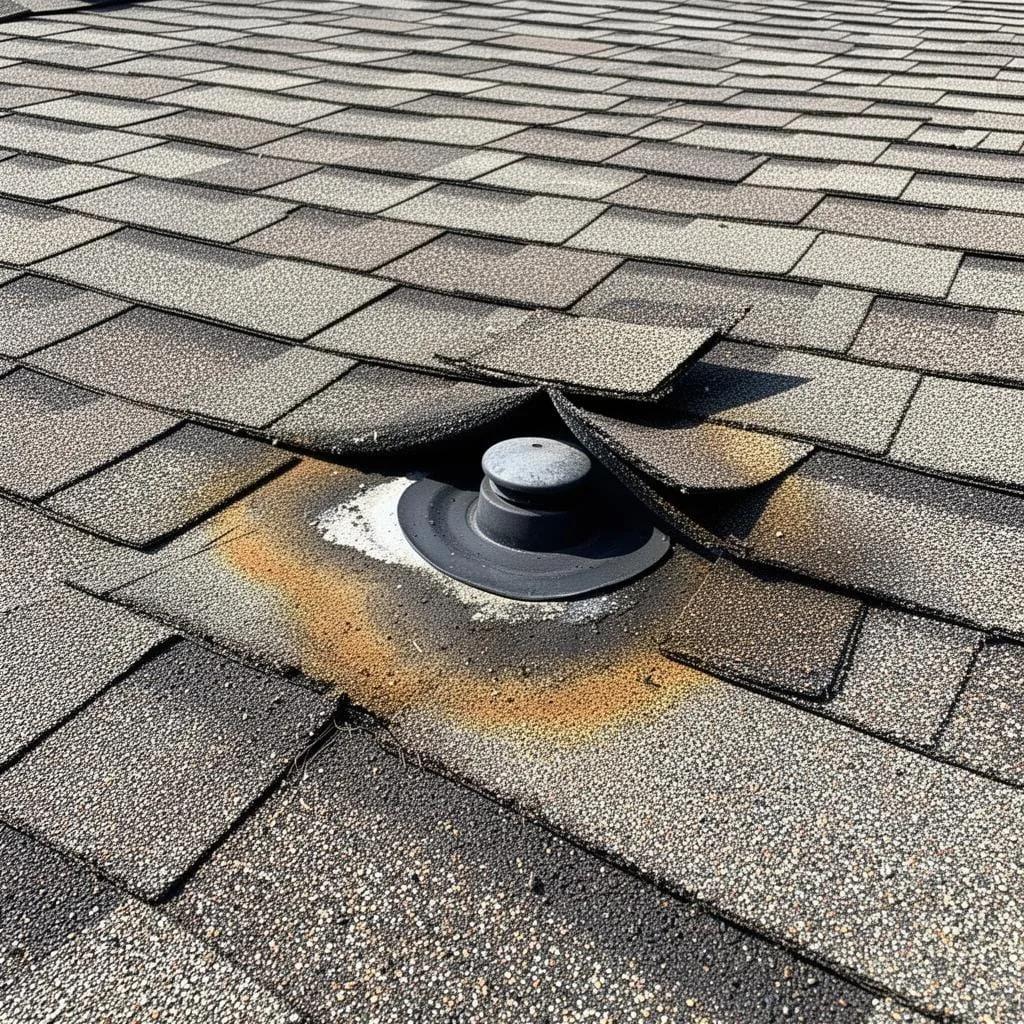
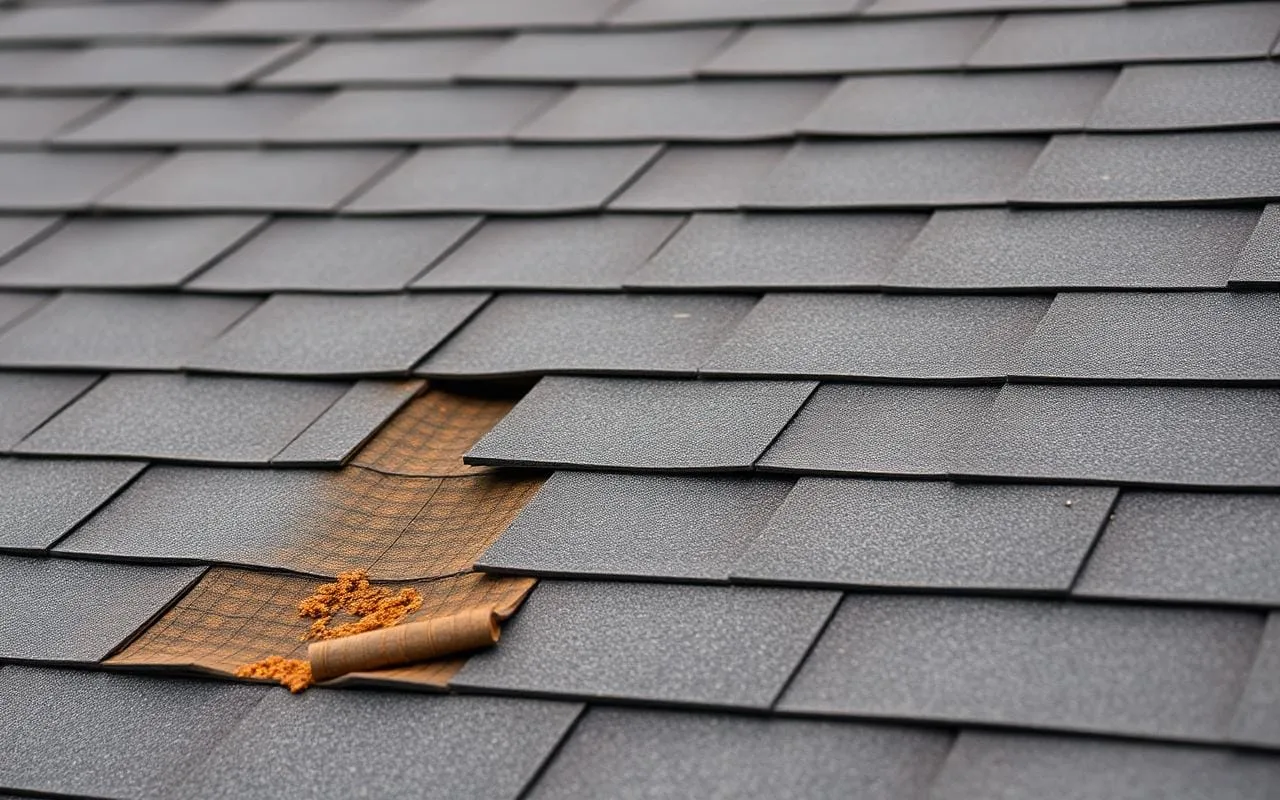
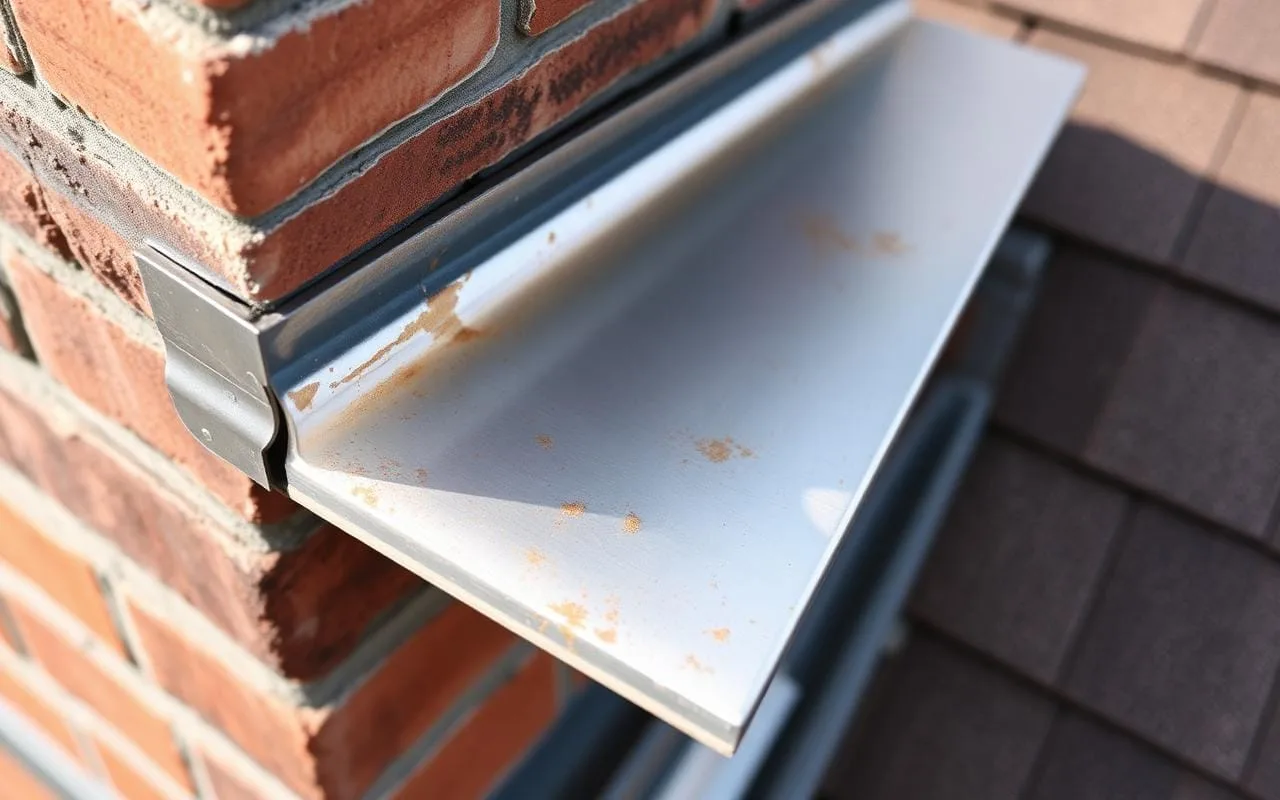
Outside, damaged flashing might show as rust, lifted metal, cracked sealant, or missing pieces. Look for shingles that don't lie flat around roof penetrations, granule loss, warped materials, or water stains on exterior walls. These clues can indicate water is moving where it shouldn't. A careful visual inspection after storms can catch issues before they spread.

Some homeowners check for obvious problems from the ground or a safe spot, but walking on the roof isn't advised without experience and safety gear. If you suspect flashing trouble, a professional inspection is safer and more reliable. It might help to compare findings with other concerns, like hidden storm damage, in this guide to spotting roof damage after Brick Township storms.

Flashing Repair, Replacement, and Related Services

When Repair Is Enough

Not every flashing issue needs a full replacement. Sometimes, a contractor can reseal joints, replace a small section, or reinforce with new waterproofing materials. Minor repairs work when the metal is sound, and the issue is limited to a seam, fastener, or sealant. Acting quickly can preserve the rest of the roof system.

It’s important not to overestimate a temporary fix. If flashing is corroded, separated, or incorrectly installed, a patch might only delay a larger failure. Professional evaluation helps decide if repair or replacement is the smarter choice. Flashing work can also lead to related exterior improvements like fascia repair and installation, or soffit services if moisture affects nearby components.

When Replacement Is the Better Option

Replacement is recommended for widespread rust, recurring leaks, or roof movement damage. If a roof is nearing its service life end, replacing flashing during a broader project can be more efficient than repeated fixes. This is especially true if the roof surface is compromised, affecting the decking or underlayment.

For larger projects, consider how flashing interacts with the system. New roofing, fresh underlayment, and tied-in flashing offer the best protection. When reviewing long-term options, our new roof preparation guide can help you understand what to expect.

Practical Maintenance Tips for Homeowners

Schedule Inspections Regularly

Regular inspections are a simple way to prevent flashing-related leaks. Ideally, check flashing at least once a year and after major storms. This is helpful in areas where moisture and wind stress roofs often occur. A good inspection goes beyond shingles to include valleys, wall intersections, vents, skylights, and chimneys.

During inspections, contractors should look for loose fasteners, cracked sealants, corrosion, missing sections, and attic moisture signs. If your home has recurring roof problems, reviewing the ventilation system and gutter performance is worthwhile. Moisture issues often involve multiple components, and a holistic inspection identifies the true source. Good attic airflow reduces condensation, as discussed in our article on poor roof ventilation.

Keep Gutters and Drainage Paths Clear

Even the best flashing struggles if water isn’t moving away efficiently. Clogged gutters, blocked downspouts, and debris cause water to back up near eaves and edges, stressing flashing and exposing weak points. Clean drainage paths are essential for roof protection.

Regularly remove leaves, branches, and granules from gutters, especially after storms or in the fall. If water overflows, stains fascia, or pools near the foundation, the roof system may be under stress. Many contractors recommend coordinating flashing work with gutter service and exterior upkeep. Improved drainage can also reduce strain on window systems and surrounding wall materials.

Real-World Examples and Local Applications

Examples from Brick Township Roofing Work

Local projects show how flashing and water management work together. Take a Brick Township home where a metal roof was installed over existing shingles, worn soffit and fascia were replaced, and new gutters strengthened water handling. This upgrade shows a simple truth: flashing works best when the entire drainage system is coordinated. A roof is more than shingles; it’s a network of components working as one.

Another case involved sealing and repairing around chimneys, vents, and skylights, common water entry points. These repairs stopped leaks and reduced interior damage risks. Homeowners often find targeted flashing repair brings immediate benefits by addressing specific failure points. With professional guidance in a coastal environment like Brick Township, results can be especially durable.

How Homeowners Can Apply These Lessons

The takeaway is clear: flashing shouldn’t be an afterthought. Whether building, repairing, or maintaining a roof, flashing conditions deserve attention. Small issues cost less to resolve than the damage they cause if ignored. Proactive homeowners enjoy better roof performance, lower repair bills, and peace of mind during storms.

If your home has water intrusion, start with a professional inspection and ask about related moisture concerns in the attic, gutters, fascia, and underlayment. Addressing one weak point while ignoring others can lead to repeated problems. A complete solution may involve roof replacement, targeted flashing repair, or other services, depending on the system’s age and condition.

Frequently Asked Questions About Roof Flashing

How Do I Know If My Flashing Is Damaged?

Watch for ceiling stains, peeling paint, damp insulation, rusted metal, lifted shingles near penetrations, and watermarks around chimneys or skylights. Sometimes the first clue is a musty attic smell or increased moisture after rain. Since flashing is often hidden, visible symptoms might appear far from the actual problem. If you suspect damage, schedule an inspection before it spreads.

Can I Repair Roof Flashing Myself?

Minor issues might seem simple, but flashing repairs need precise placement and compatibility with roof materials. You might temporarily seal a gap, but that doesn’t address the root cause. Professional repair reduces the risk of hidden damage and recurring leaks. For reliable results, working with an experienced roofing contractor is the safe bet.

How Often Should Flashing Be Inspected?

At least once a year and after major storms. In harsh weather areas, coastal moisture, or with older roofing, more frequent checks may be wise. Regular inspections are crucial if you’ve had leaks, replaced shingles, or noticed attic changes. Preventive maintenance is almost always cheaper than emergency repairs.

Conclusion: Make Flashing a Priority Before Water Damage Starts

Roof flashing keeps your home safe by controlling water at vulnerable points. With proper installation and maintenance, it prevents leaks, rot, mold, and costly damage. Modern materials and integrated approaches make flashing more effective when paired with proper installation, drainage, and inspections. For Brick Township homeowners, this protection is vital because local weather can intensify small weaknesses.

If you’ve noticed flashing damage or your roof hasn’t been inspected lately, now’s the time to act. A professional evaluation can spot weak points before they turn into big repairs and help you choose the right solution. To learn more about protecting your property or to schedule service with Quality Roof Pro, visit our website or call (732) 770-3867. Taking care of things now can save you from major water damage later.

Table of Contents
About the Author
QRP

Quality Roof Pro

Article Details
April 14, 20261 min read
Category:
Roofing
Share This Article