Easy Ways to Check for Roof Damage After a Storm
After a storm passes through Brick Township, you might feel relieved if there’s no water dripping from your ceiling. But roof damage isn’t always obvious and can lead to expensive repairs later. This guide helps you spot signs of damage, use detection tools, and decide when to call in a pro. By the end, you’ll know what to look for, how to document issues for insurance, and what steps to take to protect your home.
If you notice immediate dangers or leaks, don’t wait to get help. Our team offers quick emergency roof repair to protect your home from further damage. For those wanting to be proactive, this article covers attic checks, exterior inspections, gutter reviews, and technology like drones and thermal imaging.
Spotting Hidden Roof Damage After a Storm
What Storms Can Do to Your Roof
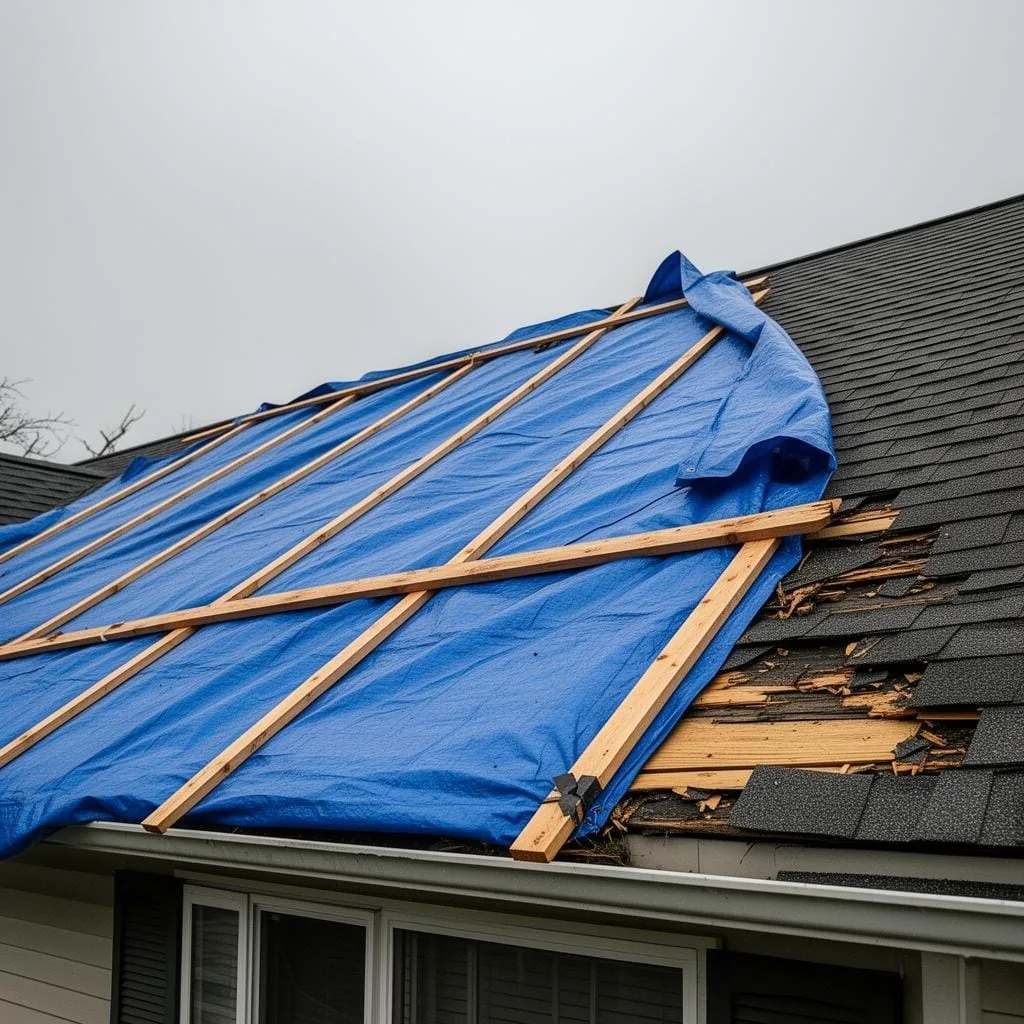
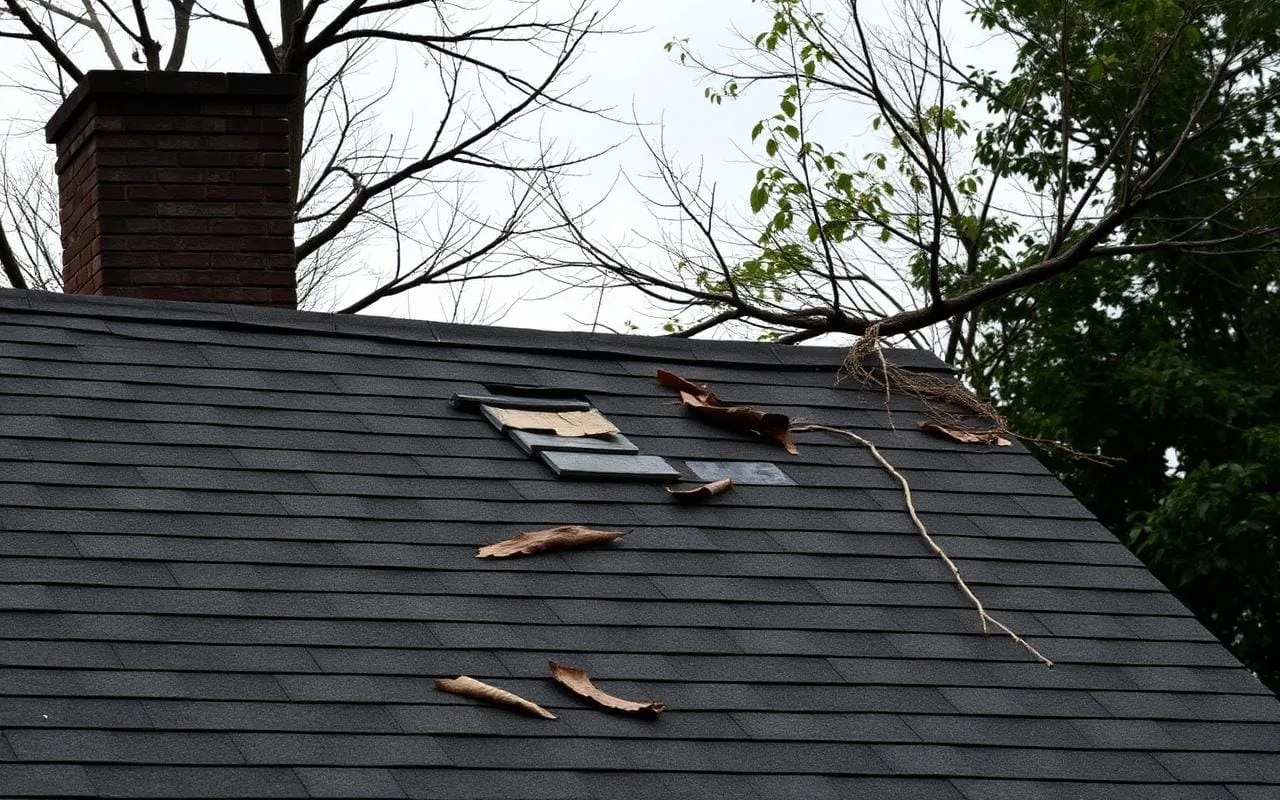
Storms can lead to various kinds of roof damage. Wind might lift or remove shingles, hail can dent and puncture the roof, and heavy rain can expose weak spots around vents. Trees and branches might also tear the roof surface. Even if your roof looks fine from the ground, repeated impacts can reduce its ability to shed water and shorten its lifespan.
Watch for signs like granule loss, broken shingles, and displaced flashing. These are often early indicators of leaks and can be costly if ignored. Identifying damage early helps you decide whether to repair or replace parts of your roof.
Knowing the type of damage helps when you’re talking to insurers and contractors. Clear descriptions and photos speed up assessments and claims.
Why You Might Not See Damage Right Away
Your roof has multiple layers that can hide damage for a while. Shingles, underlayment, and the roof deck all act as barriers. A storm might damage the outer layer without causing leaks because water needs a path through these layers to reach inside your home.
Small cracks can trap moisture between layers, which might not show up as stains until the problem worsens. That’s why inspecting your roof is important even if everything seems dry inside.
Minor wind or hail damage might not change the roof's appearance from the ground. A closer look, or technology-assisted scan, can reveal the actual condition.
Weather Risks in Brick Township
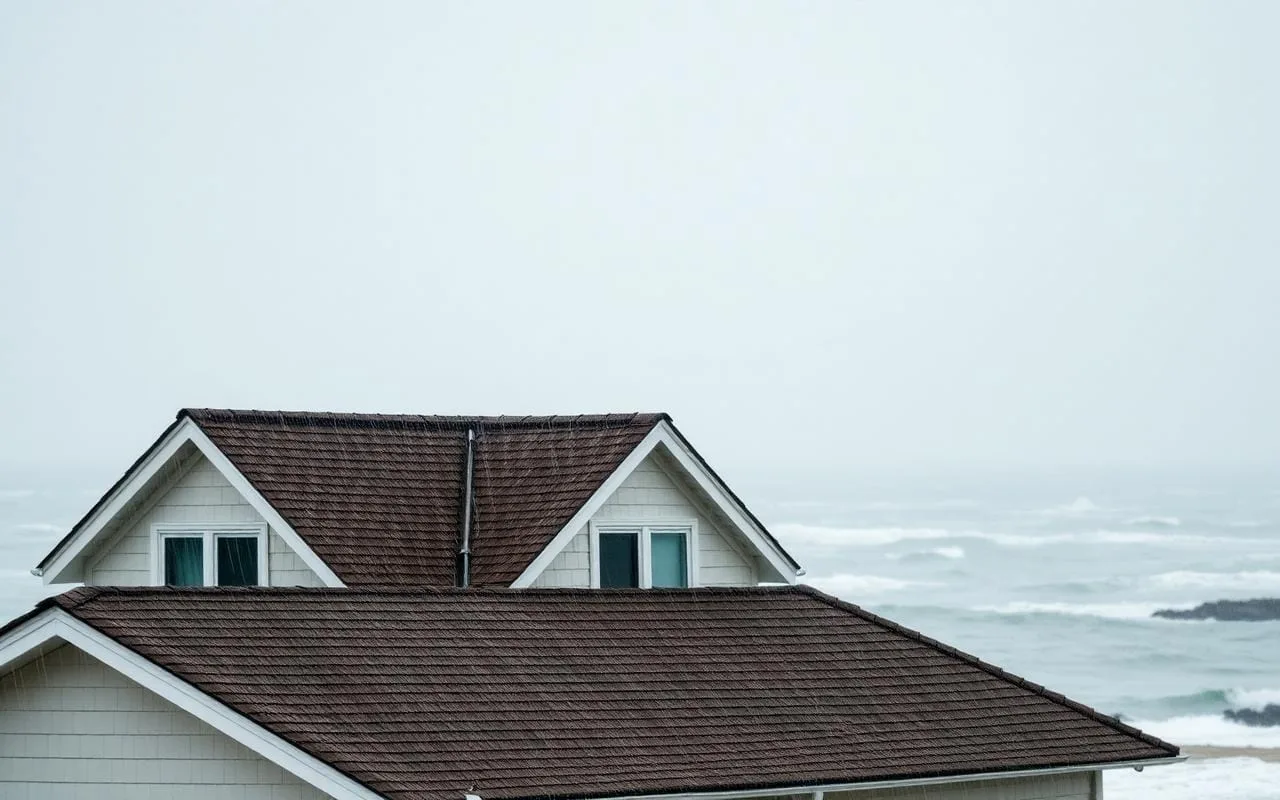
Brick Township deals with coastal storms, heavy thunderstorms, and hurricanes from June to November. These conditions expose homes to wind-driven rain, hail, and salt air that speeds up metal corrosion. Regular inspections and storm-readiness are crucial for homeowners here.
Given the frequent and intense storms, residents should inspect their roofs twice a year and after major storms. This routine can lower long-term repair costs and maintain home value.
For more about hurricanes and coastal storms, check out the National Oceanic and Atmospheric Administration for seasonal tips and safety information.
Checking Your Attic: First Signs of Damage
Things to Look for in the Attic
The attic is often where hidden storm damage first appears. Inspect during daylight with a flashlight and checklist: look for water stains or streaks along rafters, damp insulation, visible mold, and sunlight coming through the roof. These signs mean water has gotten in.
Water stains can be yellowish or brown, but subtle streaks or changes in wood grain are also signs. Damp insulation feels heavy and looks matted, losing its insulating value.
Sunlight coming through means there are holes. Even small ones can let in rain, so fix them quickly.
Safety Tips for Checking the Attic
Use a bright flashlight, wear a dust mask and gloves, and step only on rafters. Walking on drywall can cause falls. Keep kids and pets away and be cautious of insulation materials that might irritate skin or lungs.
Take photos of any issues for insurance. A moisture meter can help check for wetness in wood or insulation. If you find mold, don’t disturb it and consider hiring a professional to deal with it safely.
If the attic is hard to access or cramped, hire a professional for a detailed inspection. Pros have the experience to spot subtle damage homeowners might miss.
Real-Life Example: Catching Problems Early
A homeowner in Brick Township found a small, dark streak near a roof vent in the attic after a storm. Although there were no visible leaks, they documented it and called an inspector. The roofer found a cracked vent boot and minor decking damage—fixing these prevented a slow leak that could have caused major damage over time.
This shows how even minor attic findings can save homeowners a lot by enabling timely repairs. Documenting and acting on small issues can stop them from becoming big ones.
If you’re unsure about attic findings, our team can perform a focused inspection and recommend repairs.
Checking the Roof from the Ground
What to Look for from the Ground
From your yard, use binoculars to look at the roof. Check for missing or damaged shingles, cracked tabs, dark patches indicating granule loss, and loose flashing. Pay attention to gutters for signs of granule loss or dents from hail.
Take photos and notes, including the date and weather conditions. Dark or shiny areas mean granules are missing, and cracked shingles can let water in.
Ground-level inspections are a good start, but they don’t replace a professional rooftop inspection. Roofers can safely assess your roof’s condition.
Spotting Shingle Damage and Granule Loss
Shingles lose granules over time and from storm damage. After a storm, check gutters for granules. Dark patches on shingles mean the asphalt is exposed. Hail damage might not remove granules right away but weakens shingles.
If many shingles look worn, it might be a sign of a bigger problem. Keep records of granule build-up to help with insurance claims and contractor recommendations.
Checking Flashing and Vents
Flashing around chimneys, skylights, and vents often fail after storms. Wind can lift flashing, and corrosion can cause gaps. Even small gaps let rain in.
Look for bent or missing flashing and cracked vent seals. If flashing is compromised, call a contractor for repairs—temporary fixes can help until a full repair is done.
Gutters and Drainage: Clues to Roof Problems
What Gutters Can Tell You
Gutters can reveal a lot about your roof’s condition. Granules in gutters indicate shingle wear. Dents and punctures suggest damage from hail. If gutters overflow, water can back up and cause damage.
Check gutters after storms for granule build-up and debris. Regular checks can catch deterioration early and help you decide on repairs or replacements.
Functioning gutters protect your roof and exterior walls from moisture damage.
Keeping Gutters Clean
Clear gutters at least twice a year—more if you have nearby trees or after storms. Flush downspouts to prevent blockages. Look for sagging sections that indicate loose fasteners.
Consider gutter guards if debris is frequent; they extend the time between cleanings. When cleaning, wear safety gear and use a sturdy ladder; hire professionals if uncomfortable.
Regular gutter maintenance protects your roof, siding, foundation, and landscaping from runoff.
When to Call the Pros
If you see excessive granules, large dents, or detached gutters, schedule a professional inspection. These signs often mean roofing materials or attachments need repair or replacement.
Pros can also check related components like soffit and fascia to ensure the whole system is strong. Our gutter installation services restore drainage and protect your roof.
Timely repairs protect your home and reduce long-term costs.
Watching for Interior Signs of Damage
Ceiling and Wall Clues
Inside, water stains on ceilings and walls are red flags, but other signs matter too. Look for bubbling paint, discoloration near rooflines, and streaks after rain. These often point to leaks under certain conditions.
Take photos, note dates, and watch if signs worsen after storms. A log helps contractors and insurers know what to do.
Even minor stains can lead to structural damage if ignored, so don’t dismiss any signs of moisture.
Mold, Smells, and Health
Musty smells or visible mold in ceilings or attics indicate ongoing moisture and potential health issues, especially for those with allergies or respiratory problems.
Fixing the roofing issue is vital before or during mold remediation. For significant mold, consult qualified professionals to handle it safely.
Document mold growth with photos to help with claims and assessments.
Electrical and Structural Dangers
Water can reach electrical wiring, posing fire risks or causing short circuits. If you notice flickering lights or tripped breakers near roof areas, turn off power and contact an electrician and roofer.
Structural concerns like sagging roof decking can appear if moisture persists. Address these promptly to reduce danger and avoid costly repairs.
When unsure about safety risks, call professionals for safe inspections and repairs.
Using Technology to Find Hidden Damage
Drones: Quick and Safe Roof Checks
Drones with high-res cameras let inspectors quickly survey roofs, especially steep ones. They capture detailed images revealing lifted shingles, punctures, and displaced flashing that might be missed from below.
Follow federal and local rules when using drones. The Federal Aviation Administration offers guidance on safe drone use.
Professional drone inspections reduce homeowner risks and provide visual proof for insurance claims and repair planning.
Thermal Imaging: Spotting Moisture
Thermal cameras detect temperature differences, highlighting wet areas. Wet insulation and decking often have different temperatures than dry materials, making thermal imaging a powerful tool for finding hidden moisture before it becomes a bigger issue.
Thermal scans work best with visual inspections and moisture meters, providing extra evidence for targeted repairs.
Many roofing contractors use thermal imaging to give precise recommendations and limit unnecessary repairs.
Smart Sensors and Monitoring
IoT sensors monitoring humidity, temperature, and moisture can be placed in attics or on roofs for real-time alerts. They offer continuous monitoring, especially useful for seasonal homes or frequent travelers.
As smart roofing tech becomes common, it helps spot issues between inspections. Consider integrating sensors into your maintenance plan for continuous oversight.
Read more about smart roofing technologies and their benefits.
When to Call a Professional
Choosing the Right Contractor
Hire licensed, insured contractors familiar with local weather issues. A good contractor will provide references, proof of insurance, and a written estimate. Ask about their storm damage experience and process for repairs.
A qualified roofer should also check related systems to ensure a complete solution. For major projects like full roof replacements, confirm warranty details and materials used.
If you need roof installation or roof replacement, explore options for long-term benefits.
What to Expect from a Professional Inspection
A professional inspection includes a roof surface walk if safe, attic check, gutter review, and damage documentation. Many contractors use drone imagery and thermal scans, producing a detailed report for insurance claims.
Expect them to identify temporary fixes to prevent further damage and explain long-term solutions. A clear scope of work, timeline, and cost estimate should be provided in writing.
Good documentation speeds up insurance processing and helps prioritize repairs.
Tips for Insurance Claims
After a storm, photograph all visible damage, attic findings, and gutter conditions. Keep notes of when problems were noticed and any measures taken. Clear documentation and estimates help speed up claims processing.
Review your homeowner’s policy to understand coverage. Some policies cover sudden storm damage but not wear-and-tear, so proving storm damage is crucial. Many contractors assist with documentation and communication with insurers.
For disaster recovery resources, check out FEMA’s website.
Preventive Care and Long-term Maintenance
Inspection Schedule and Seasonal Checks
Inspect your roof twice a year—in spring and fall—and after big storms. Spring checks clear winter debris and address ice-dam risk. Fall inspections prepare your roof for winter. After storms, check for missing shingles and clogged gutters.
Keep a maintenance log to track how your roof responds to weather, signaling when replacement is needed.
Regular maintenance extends roof life and lowers emergency repair chances.
Upgrades for Storm Resilience
Consider impact-resistant shingles and reinforced underlayment, especially in coastal areas like Brick Township. Upgrading materials can reduce storm damage and might lower insurance premiums.
Proper attic ventilation and insulation reduce material wear over time. Combining upgrades with maintenance offers the best protection.
Discuss upgrades with a trusted contractor who can recommend solutions for your roof and budget.
Local Resources and Services
Local contractors know regional weather patterns and building codes. Reach out for routine maintenance, upgrades, and emergency response. We offer services like fascia and soffit repair to ensure your roof performs well.
Coordinate roofing with siding, windows, and gutter upgrades for streamlined repairs.
Explore our services for the right combination of repairs and upgrades to protect your investment.
FAQs and Troubleshooting
How Often Should I Check My Roof?
Inspect twice a year and after major storms. If you live in a storm-prone area, consider more checks. Regular inspections with prompt repairs reduce hidden damage risks.
Professional inspections annually or after significant events add extra assurance, especially for older roofs.
Can I Safely Climb onto My Roof?
Only with the right safety gear, experience, and a stable roof. For steep or damaged roofs, hire professionals who use safety harnesses and know how to walk on fragile materials.
Drone surveys and ground-level inspections offer safer alternatives.
Do I Need an Inspection If There Are No Leaks?
Yes. Hidden damage can exist without visible leaks. Early detection through attic checks, gutter inspections, and tech scans prevents long-term damage. Proactive inspections are an investment that often saves later emergency costs.
If you find concerning signs or are unsure how to interpret them, contact a licensed roofer for a professional assessment.
Wrapping Up: Protecting Your Home
What We’ve Learned
Storm damage isn’t always obvious. Use attic and ground-level checks, gutter reviews, and tech like drones and thermal imaging to find hidden problems early. Document findings, act quickly on signs of damage, and prioritize safety. Regular maintenance and professional intervention save money and protect your home.
Even without visible leaks, micro-damage can affect roofing performance. Don’t wait for water to appear in your living space to act.
Post-Storm Checklist
- Walk your property safely—note missing shingles, debris, and damaged flashing.
- Inspect the attic during daylight for stains, damp insulation, and sunlight penetration.
- Clear and check gutters for granules and dents; document evidence.
- Photograph and log observations; call a licensed roofer if you see concerning signs.
- Use tech options like drone or thermal scans if roof access is unsafe or you need certainty.
Your Next Steps
If you’re in Brick Township and a recent storm hit, don’t wait for leaks. Schedule a full inspection with Quality Roof Pro—we offer professional assessments, thermal imaging, drone surveys, and quick repair solutions. We can help with insurance claims and provide full-service options like roof replacement and window repairs to restore your home’s protection.
Contact Quality Roof Pro at (732) 770-3867 or email info@qualityroofpro.com to book a storm damage inspection or emergency service. Learn more about sustainable materials in our guide on sustainable roofing.
Taking informed action is key to protecting your home. If unsure where to start, our inspectors will guide you and recommend steps based on real evidence, not guesswork.
For storm-related safety and recovery guidance, check FEMA’s disaster planning pages and keep NOAA’s updates handy at NOAA.