Understanding Roof Warranties: A Simple Guide
Roof warranties might seem complicated, but they're crucial for anyone who owns a home or manages a property. Here, we'll break down how these warranties work, what they usually cover, and what homeowners in places like Brick Township should do to protect their investment. From industry trends to maintenance tips and contractor advice, we've got you covered. If you're planning a roof project, consider professional roof installation to meet warranty and manufacturer standards. For a general overview, check out Roof - Wikipedia.
What Is a Roof Warranty?
Definition and Purpose
A roof warranty is like a promise from a manufacturer or contractor to fix specific problems with materials or workmanship within a set time. It's there to shield you from defects and early failures. Unlike insurance, which covers damage from events like storms, warranties focus on installation and product issues.
Manufacturer vs. Contractor Warranties
There are two main types: manufacturer warranties for material defects and contractor warranties for installation errors. Manufacturer warranties can range from 10 to even 50 years, depending on the product. Contractor warranties are usually shorter but focus on the quality of the work. Some companies now offer combined packages for better protection.
Why Warranties Matter for Long-Term Value
Warranties can affect your home's resale value and help with maintenance planning. A transferable warranty or one that lasts decades can be a big selling point. Knowing the details helps you budget for upkeep and avoid losing coverage over small oversights.
Types of Roof Warranties Explained
Material (Manufacturer) Warranties
Material warranties cover defects in the roofing products, such as shingles and flashing. Higher-quality products usually come with better warranties. Some warranties are prorated, meaning the coverage value decreases over time, while others offer full coverage for the entire term.
Workmanship (Contractor) Warranties
These warranties cover the installation quality, protecting against things like leaks or poor flashing. Some companies offer extended warranties up to 25 years, especially for full roof replacements. Always check if the warranty is backed by the contractor or a third-party insurance product.
Combined and Extended Warranty Packages
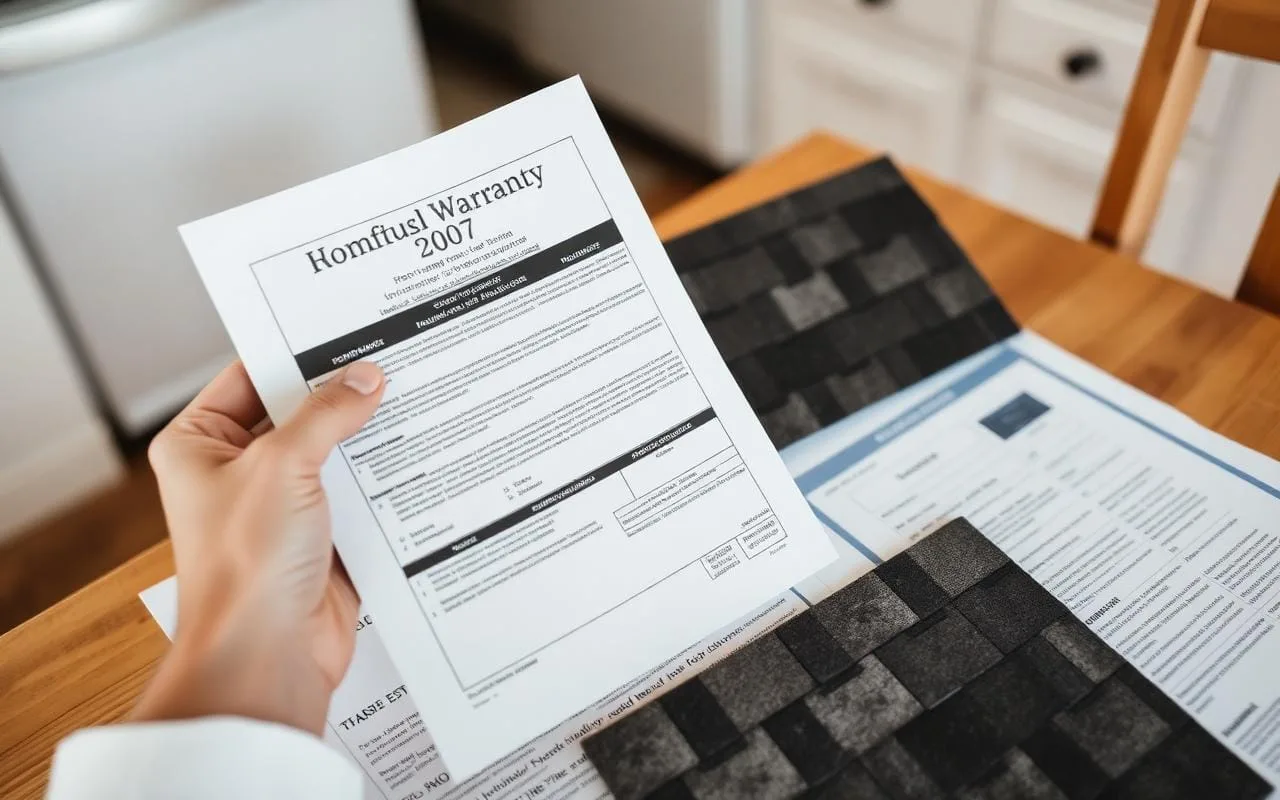
Many companies now offer combined warranties that cover both materials and workmanship. This reduces confusion about who’s responsible if something goes wrong. Optional maintenance plans can also extend warranties and usually include annual inspections to keep your warranty valid. Always get a written copy of any warranty and read it carefully.
What Roof Warranties Usually Cover
Common Coverage Items
Warranties typically cover defects leading to functional failures, like cracking or curling shingles. Workmanship coverage usually includes issues like poor flashing. Coverage might include the cost of materials, labor, or both, depending on the terms.
Duration and Prorating Details
Warranty durations vary. Manufacturer warranties can last up to 50 years for premium products, while workmanship warranties often range from 5 to 25 years. Prorated warranties decrease over time, while non-prorated or 'lifetime' warranties have strict requirements, so be sure to understand what 'lifetime' really means.
Transferability and Resale Value
Some warranties can be transferred to new homeowners, sometimes for a fee. This can make your home more attractive to buyers. Transfers often need to happen within a certain time frame, so check what's required for a smooth process.
Common Warranty Exclusions and Voiding Factors
Routine Maintenance and Inspection Requirements
Skipping routine maintenance is a common reason for voided warranties. Many warranties require annual inspections, gutter cleaning, and quick repairs of minor issues. A Roof Maintenance Plan can help keep your warranty intact.
Unauthorized Repairs and Modifications
Using unapproved materials or contractors can void your warranty. This includes things like improper solar panel installation. Always check your warranty and consult your contractor before making changes.
Environmental and Weather-Related Exclusions
Many warranties exclude damage from extreme weather like hurricanes or tornadoes. In storm-prone areas, these exclusions are common, and insurance usually covers such events. Knowing how your warranty and insurance work together can save you headaches later.
How to Keep Your Roof Warranty Valid
Follow the Manufacturer's Maintenance Schedule
Keeping up with the manufacturer's recommended maintenance is key. This often includes regular inspections and cleaning. Keep records of all maintenance activities, as these are essential if you need to make a warranty claim.
Use Authorized Contractors and Approved Materials
Choose contractors approved by your roofing manufacturer. They’re more likely to follow the right installation methods. For urgent repairs, our emergency roof repair services can help maintain your warranty.
Document Everything: Photos, Receipts, and Inspection Reports
Keeping thorough documentation can help support your claims. Take photos, keep receipts, and save inspection reports. This not only helps with claims but also increases your home's resale value by showing it's been well-maintained.
Choosing a Contractor and Materials with Warranties in Mind
Evaluating Contractor Reputation and Credentials
Pick a contractor who backs their work with a good warranty and has local references. Check their licenses, insurance, and reviews. Local knowledge can be crucial, especially in places like Brick Township, to handle local weather challenges.
Comparing Material Options and Manufacturer Support
Not all roofing materials are the same. Compare warranties, including terms on prorating and transfer rules. Premium materials might cost more upfront but offer less hassle in the long run.
Contract Details: What to Include in the Written Agreement
Your contract should include the scope of work, material specifications, warranty details, a maintenance schedule, and payment terms. Make sure you know who handles warranty claims and how long the contractor will be available for follow-up service.
Insurance, Claims, and Warranty Interactions
How Warranties and Homeowner's Insurance Differ
Warranties cover materials and workmanship defects, while insurance covers damage from events like storms or fire. Sometimes, issues overlap, so coordinating claims can be necessary.
Documenting Damage for Insurance and Warranty Claims
When damage happens, document it right away with photos and notes. Get professional assessments promptly, as insurers and manufacturers often require expert inspections before approving claims.
Working with Adjusters and Warranty Representatives
You may need to deal with your insurance adjuster, contractor, and possibly a manufacturer representative. Keep communication clear and organized. Having a reputable contractor can make this process smoother.
Local Considerations: Coastal and Brick Township-Specific Factors
Coastal Challenges: Salt Air and Storm Exposure
Being near the ocean brings unique challenges like corrosive salt air and frequent storms. Choose corrosion-resistant materials and proper ventilation systems to handle these conditions.
Building Codes and Regional Standards
Local building codes can affect your installation and warranty coverage. Contractors who understand these codes are better equipped to ensure compliance and avoid warranty issues.
Case Study: Successful Local Roof Replacement
Recently, a Brick Township homeowner chose premium shingles and got a 25-year workmanship warranty. They also signed up for a maintenance plan, which helped expedite a warranty claim after a minor leak. This shows the value of quality materials, good documentation, and using authorized installers.
Trends and Best Practices in the Roofing Industry
Comprehensive Warranty Packages and Maintenance Plans
More companies now offer bundled warranties and maintenance plans. These include inspections that not only keep warranties valid but also catch small issues before they become big problems.
Technology, Diagnostics, and Smart Roofing
New tech, like thermal imaging and drone inspections, helps spot hidden issues. Investing in these inspections can support long-term warranty claims.
Regulatory and Market Shifts
Changes in regulations and material costs are pushing for clearer warranties. Always read the fine print and ask about exclusions, transferability, and maintenance needs.
FAQ: Troubleshooting, Claims, and Practical Advice
What Should I Do When I Suspect a Warranty Issue?
If you think there's a warranty problem, document it with photos and notes. Contact your contractor and manufacturer as your warranty documents advise. Quick, documented action helps resolve issues faster.
How Long Does a Warranty Claim Take to Resolve?
Claim resolution times vary. Simple claims might wrap up in weeks, while complex ones could take months. Good documentation and working with a reputable contractor can help speed things up.
Can I Improve Warranty Protection after Installation?
Yes, you can. Enrolling in a maintenance plan and using approved products for repairs can help extend your warranty. Check your original warranty for upgrade options.
Conclusion and Actionable Next Steps
Summary of Key Takeaways
Roof warranties cover material defects and installation errors, but vary in scope and duration. To get the most from a warranty, use authorized installers, stick to maintenance schedules, and document all work. Understanding warranties and insurance is key to managing risk, especially in coastal areas.
Immediate Steps Homeowners Can Take
Start by finding your warranty documents and creating a maintenance file with photos and invoices. Schedule an annual inspection with a trusted local contractor. If you're planning a replacement, get warranty details in writing and confirm transferability if you plan to sell.
Contact Quality Roof Pro for Warranty-Friendly Service
If you need an expert assessment, Quality Roof Pro offers professional support for installations and repairs that align with warranty requirements. Learn more about our roof replacement services or protect your home with gutter installation. For urgent needs, our team is ready for emergency roof repair. Call us at (732) 770-3867 or email info@qualityroofpro.com to schedule an inspection.
Additional Resources
Authoritative Sources and Further Reading
For emergency preparedness and storm-related guidance, check out the National Oceanic and Atmospheric Administration (NOAA). For recovery and repair guidance, visit the Federal Emergency Management Agency (FEMA). These resources help you understand how weather events interact with warranty and insurance processes.
Related Blog Posts and Local Guides
Explore our local guides for more on regional weather impacts and roofing decisions. Read about shingle roof lifespan, preparing for a new roof, and spotting storm damage. These posts offer practical advice for homeowners.
Final Call to Action
Don't leave your roof's future to chance. Review your warranty documents, schedule a professional inspection, and choose contractors with clear guarantees. Quality Roof Pro is here to help Brick Township homeowners make smart choices to protect their roofs and investments. Contact us today for a detailed warranty review and inspection.