How Long Does a Shingle Roof Really Last and What Factors Reduce Its Lifespan?
When folks in Brick Township ask "how long will my shingle roof last?" they want a straight answer they can depend on. This guide from Quality Roof Pro explains how long you can expect your roof to last, what might shorten its life, and what you can do to make it last longer. By the end of this, you'll know the differences between shingle types, the impact of climate, installation quality, and maintenance tips to get the most out of your investment. If you need a hand, we offer roof installation that suits local conditions and ensures lasting performance.
Understanding Average Lifespans for Asphalt Shingle Roofs
Types of Asphalt Shingles and Typical Lifespans
Asphalt shingles are popular for homes because they offer a good balance between cost and performance. There are two main types: 3-tab shingles and architectural shingles. 3-tab shingles usually last between 15 and 20 years if installed right and maintained well. Architectural shingles, which are thicker and more durable, can last 20 to 30 years. These are just averages; the actual lifespan depends a lot on local conditions and care.
How Manufacturer Warranties Compare to Real-World Performance
Manufacturers often claim lifespans like 25 or 30 years, but these warranties usually cover defects, not real-world performance under local weather conditions. People might think a 30-year warranty means the roof will last 30 years, but that’s not always true. While warranties are helpful, you also need proper installation, ventilation, and maintenance to reach those upper lifespan limits.
Regional Averages: Why New Jersey Figures Matter
In New Jersey, asphalt shingle roofs typically last from 15 to 30 years, depending on type and care. Coastal areas face faster wear due to salty air and storms, while inland areas may enjoy slightly longer lifespans. Knowing these averages helps set realistic expectations and can guide decisions about upgrades and maintenance.
Primary Factors That Reduce Shingle Roof Lifespan
Climate and Weather Impacts
Brick Township's coastal climate can be rough on roofs with salt spray, high humidity, sea breezes, and intense storms that speed up wear. Freeze-thaw cycles common in New Jersey cause roofing materials to expand and contract, which can crack shingles and break seals. Heavy rain and wind can also strip away granules and shingles. For insights on regional weather, check out national climate resources like NOAA.
Poor Installation Practices
Poor installation is a major reason roofs fail early. Mistakes like incorrect nail placement, insufficient underlayment, and improper flashing around chimneys and valleys can lead to problems. Even the best shingles won’t perform well if installed by untrained crews. Hiring certified professionals and ensuring proper installation can prevent many early failures.
Insufficient Ventilation and Insulation
Proper attic ventilation and insulation are key to shingle longevity. Trapped heat and moisture in the attic can age shingles faster and lead to mold and rot. Good airflow and proper insulation reduce thermal stress and moisture buildup. For detailed standards, consult resources from the U.S. Department of Energy.
Maintenance Neglect and Environmental Wear
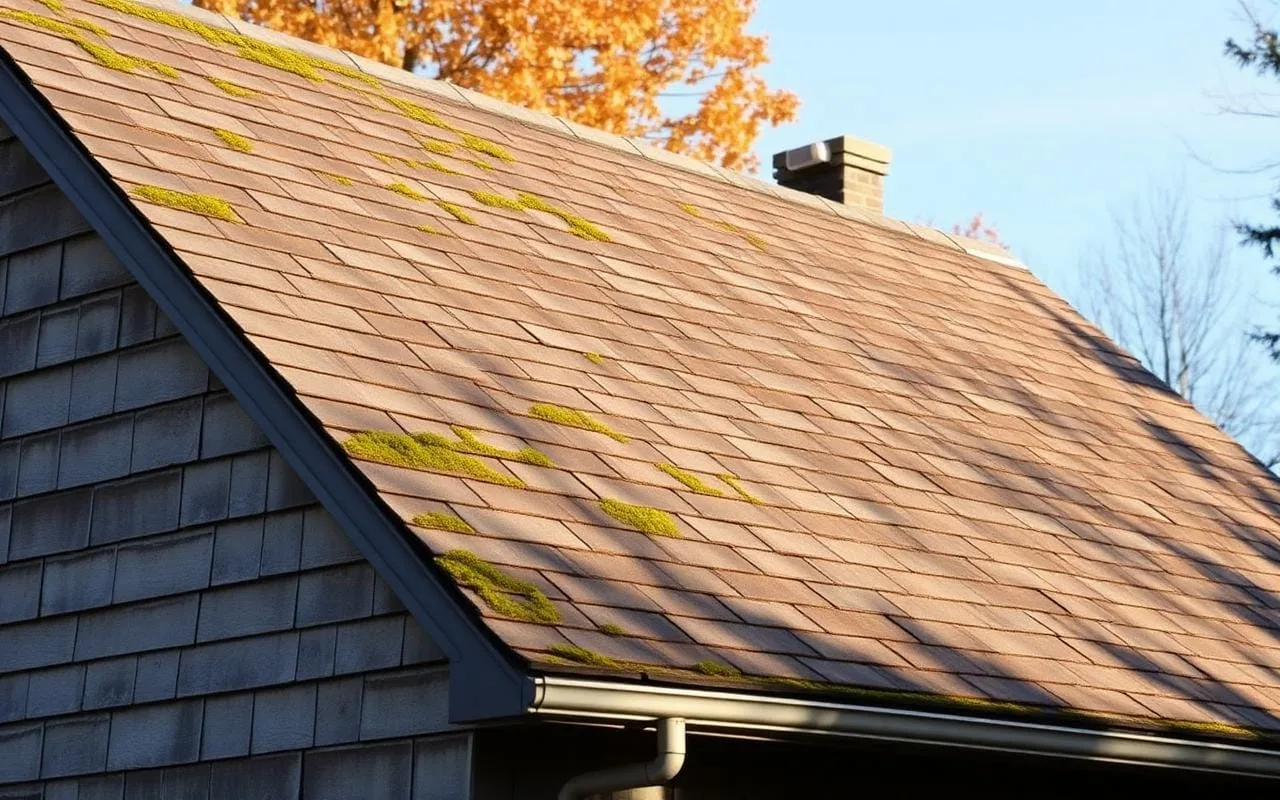
Skipping regular maintenance lets small issues turn into big problems. Algae, moss, and lichen can trap moisture and wear down shingles. Debris in gutters holds moisture against the roof, leading to rot. Regular inspections and cleanings can remove these threats early, extending the roof's life and preventing leaks.
Installation, Materials, and Best Practices
Choosing the Right Shingle Type for Your Home
Choosing between 3-tab and architectural shingles depends on your budget, how long you want the roof to last, and your style preferences. Architectural shingles cost more but offer better wind resistance and a nicer look. Impact-resistant shingles or those with UV-reflective granules can protect better in coastal and sunny areas. Talk with your contractor and compare manufacturer info to decide.
Underlayment, Flashing, and Deck Preparation
A durable roof depends on details beneath the shingles. High-quality synthetic underlayment offers better moisture protection than older options, and good flashing around penetrations prevents leaks. Ensuring the deck is straight and dry before installation is key. Contractors should also seal and flash chimneys, vents, and skylights to prevent issues.
Certified Installation and Manufacturer Requirements
To keep your warranty intact and ensure your roof performs well, follow manufacturer instructions and hire certified installers. Many manufacturers have specific requirements for fasteners and other materials. Keeping documentation of the installation process can help with warranty claims.
Maintenance and Inspection: A Step-By-Step Longevity Plan
Annual Inspection Checklist
Scheduling an annual inspection helps catch problems early. Start with a visual check for missing or damaged shingles, then inspect flashing and valleys. In the attic, look for moisture signs and damaged insulation. Keeping records and addressing repairs quickly can add years to your roof’s life.
Seasonal Maintenance Tasks
Each season requires different maintenance. Before winter, clear gutters and trim branches to prevent ice damage. In spring, check for storm damage and clean biological growth. After summer, inspect for heat damage and ensure ventilation is ready for winter. A seasonal checklist helps plan maintenance.
When to Schedule Professional Maintenance
Some issues need professional help, especially leaks or damaged flashing. Schedule inspections after big storms or if you notice any interior stains or sagging ceilings. We also offer emergency roof repair for urgent situations, helping you avoid further damage.
Local Case Study: Brick Township Winter Damage and Recovery
A Real-World Example: Winter Storm Losses
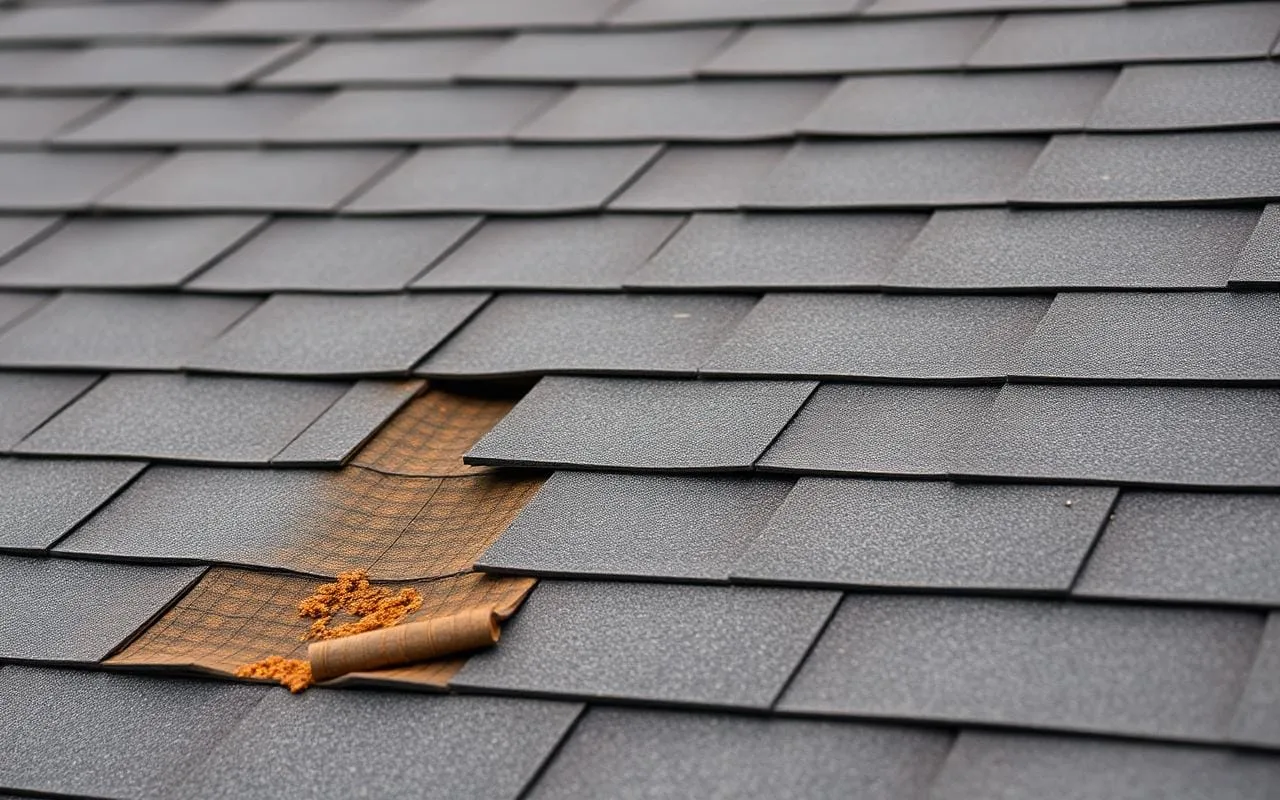
A homeowner in Brick Township faced major leaks after a harsh winter storm. The roof, installed with 3-tab shingles 18 years ago, had lost granules and developed leaks. This shows how neglect and harsh weather can shorten a roof's life.
Remediation Steps Taken and Outcomes
The homeowner replaced the old shingles with architectural ones, upgraded the underlayment, and improved attic ventilation. These changes helped the roof perform better through another storm season, showing the benefits of quality materials and proper installation.
Lessons for Other Brick Township Homeowners
This case highlights the importance of regular maintenance and choosing materials that withstand coastal conditions. Proactive homeowners can avoid emergency costs by investing in inspections and upgrades. For guidance on preparing for a new roof, our article on getting ready for a new roof in Brick Township offers practical tips.
Upgrades and Alternatives: When to Move Beyond Asphalt Shingles
Longer-Lasting Materials: Metal, Slate, and Tile
While asphalt is common, other materials can last longer. Metal roofs can last 40-70 years, while slate and tile can last over a century. These options cost more upfront but reduce replacement frequency and may handle coastal conditions better.
Cost-Benefit Considerations and ROI
Calculating the return on investment for higher-end roofing involves comparing costs, energy savings, and potential resale value. Metal roofs can reflect solar energy, reducing cooling costs. Consider long-term savings along with your budget.
Smart Upgrades to Extend Asphalt Roof Life
If a full material change isn't possible, some upgrades can improve asphalt roof longevity. Adding reflective coatings can reduce heat stress. Impact-resistant shingles or algae-resistant granules combat common issues. Combining upgrades with ventilation improvements can significantly extend the roof's life.
Troubleshooting Common Problems and When to Replace
Identifying Major Signs of Failure
Signs that a roof might need replacing include widespread shingle loss, persistent leaks, or decking rot. Isolated damage can often be repaired, but widespread issues usually mean replacement. Document damage and consult a professional for advice.
Repair vs. Replace: Decision-Making Framework
When deciding whether to repair or replace, consider the roof's age and the extent of damage. If less than 25% is damaged and the roof is under 10-12 years old, repairs might suffice. If near the end of its expected life, replacement may be better. A professional inspection can help decide.
Emergency Response and Short-Term Protections
After a storm or sudden failure, quick action can minimize damage. Cover exposed areas, clear water, and contact a contractor immediately. We provide emergency services to keep your home safe until permanent solutions are in place.
Frequently Asked Questions and Expert Answers
How can I tell if my roof needs to be replaced now?
Check for multiple missing shingles, large areas of granule loss, sagging deck, recurring leaks, and flashing failures. If your roof is older than its typical lifespan and has these issues, replacement is likely needed. A professional assessment will confirm the scope of work.
Which preventative steps deliver the largest lifespan gains?
The top three steps are ensuring proper attic ventilation, scheduling regular inspections, and promptly removing biological growth or debris. Following these practices consistently can extend your roof’s life by several years.
Are protective coatings worth the cost?
Protective coatings with UV-resistant properties can slow granule loss and reduce heat damage. They can be cost-effective for roofs nearing replacement but aren't a substitute for replacing compromised shingles. Discuss options with a contractor to decide if they fit your roof’s condition.
Action Plan: Practical Next Steps for Brick Township Homeowners
Short-Term Checklist (0–3 Months)
Start with an inspection: check gutters, attic, and visible shingles for damage. Remove debris, trim branches, and fix leaks. If you've had storm damage, get a professional assessment and consider temporary protection. For tips on storm recovery, see our article on spotting roof damage after Brick Township storms.
Mid-Term Steps (3–12 Months)
Plan for repairs or upgrades, like replacing failing flashing or improving ventilation. If your roof is near the end of its lifespan, get estimates for replacement with longer-lasting materials. Consider gutter improvements to protect eaves; we offer gutter installation to support your roof's health.
Long-Term Strategy (1–5 Years)
Create a roof replacement timeline that fits your budget, focusing on materials and ventilation improvements for resilience. Factor in lifecycle costs, energy performance, and potential insurance benefits. Set a maintenance schedule with inspections at least annually and after major storms.
Resources, References, and Expert Contacts
Authoritative Sources for Further Reading
For climate data and storm preparedness, NOAA provides valuable insights on local weather trends (NOAA). FEMA offers resources on protecting structures and responding after storm damage (FEMA). For general asphalt shingle information, Wikipedia offers background and links to specifications (Asphalt shingle - Wikipedia).
Contact Quality Roof Pro
Ready to check your roof’s condition or plan an upgrade? Reach out to Quality Roof Pro for an evaluation and honest advice. We offer roof replacement services suited to Brick Township, along with maintenance programs. Call us at (732) 770-3867 or email info@qualityroofpro.com to schedule an inspection and get a clear estimate.
Internal Guides and Related Reading
Check out our posts for more planning and technology options: the sustainable roofing guide for alternatives and lifecycle planning, and our article on smart roofing technologies for better protection and energy efficiency. These resources help homeowners make informed decisions about materials, installation, and maintenance priorities.
Conclusion and Call to Action
Understanding how long a shingle roof will last means looking at shingle type, installation quality, local climate, and maintenance history. In Brick Township, expect 15–30 years for asphalt shingles, depending on whether they are 3-tab or architectural. But with good maintenance and quality installation, you can extend that range. If you see early warning signs, act quickly to prevent bigger issues. For personalized advice and reliable service, contact Quality Roof Pro for a thorough roof assessment and custom plan. Schedule your inspection today and take the first step toward protecting your home.
Ready to protect your home? Contact Quality Roof Pro at (732) 770-3867 or visit our website to book an inspection. For immediate needs after a storm, our emergency roof repair team is available to secure your property until permanent solutions are in place.