How Poor Roof Ventilation Sneaks Up on Your Home
Roof ventilation might not be on top of your mind when you think of home maintenance, but it's crucial for keeping your home comfy and your roof in good shape. When your attic doesn't have the airflow it needs, heat and moisture start to build up. This can slowly mess up your shingles, insulation, wood framing, and even the inside finishes of your home. If you’re keen on avoiding costly repairs, knowing how poor ventilation affects your home is the smart place to start. Pair this knowledge with regular upkeep, like getting a professional to install your roof and fixing your soffits.
Did you know that poor ventilation causes about 25% of roof issues in homes? That's more common than many realize. The U.S. Department of Energy says that attic heat and moisture can mess with your home's energy efficiency and durability. In this guide, we’ll go over how poor roof ventilation sneaks up on your home over time, signs to watch for, and how to keep your investment safe.
What Roof Ventilation Actually Does
Balancing Air In and Out
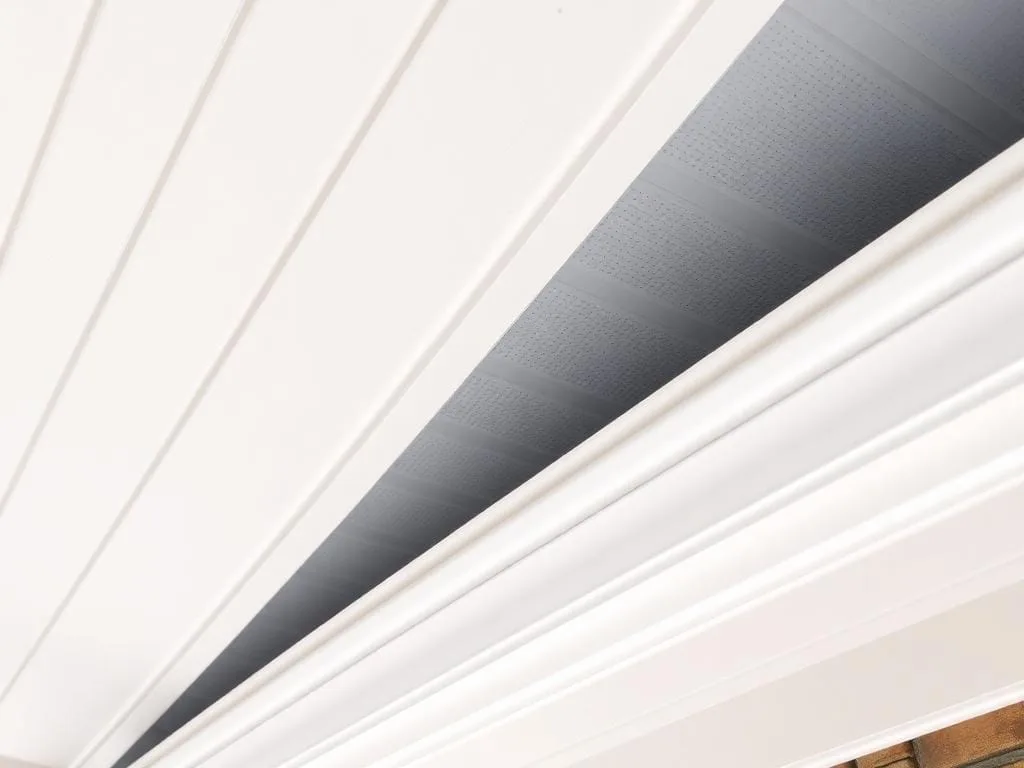
Roof ventilation lets fresh air into your attic through intake vents and lets it out through exhaust vents. This continuous airflow prevents heat and moisture from getting trapped. A balanced system often uses soffit vents for intake and ridge vents for exhaust, allowing the attic to breathe naturally. If this balance is off, your attic can turn into a sauna in summer or a damp cave in winter.
Why Ventilation Matters Beyond Just the Roof
Many folks think ventilation only helps shingles, but it does much more. Poor airflow can make your attic too hot, hurt insulation efficiency, and cause condensation under the roof. Over time, this can lead to mold, warped plywood, and early aging of roofing materials. If you’re already dealing with moisture problems, you might also need siding and fascia repair since attic moisture can spread.
How Poor Roof Ventilation Damages Your Home Over Time
Heat Buildup Shortens Roof Lifespan
In hot weather, an attic with poor ventilation can get really hot. This adds stress to asphalt shingles, dries out roofing materials, and makes them crack and curl. If you live where summers are humid and sunny, your roof can wear out faster, and you might not notice until leaks start.
Moisture Causes Rot and Weakens Structure
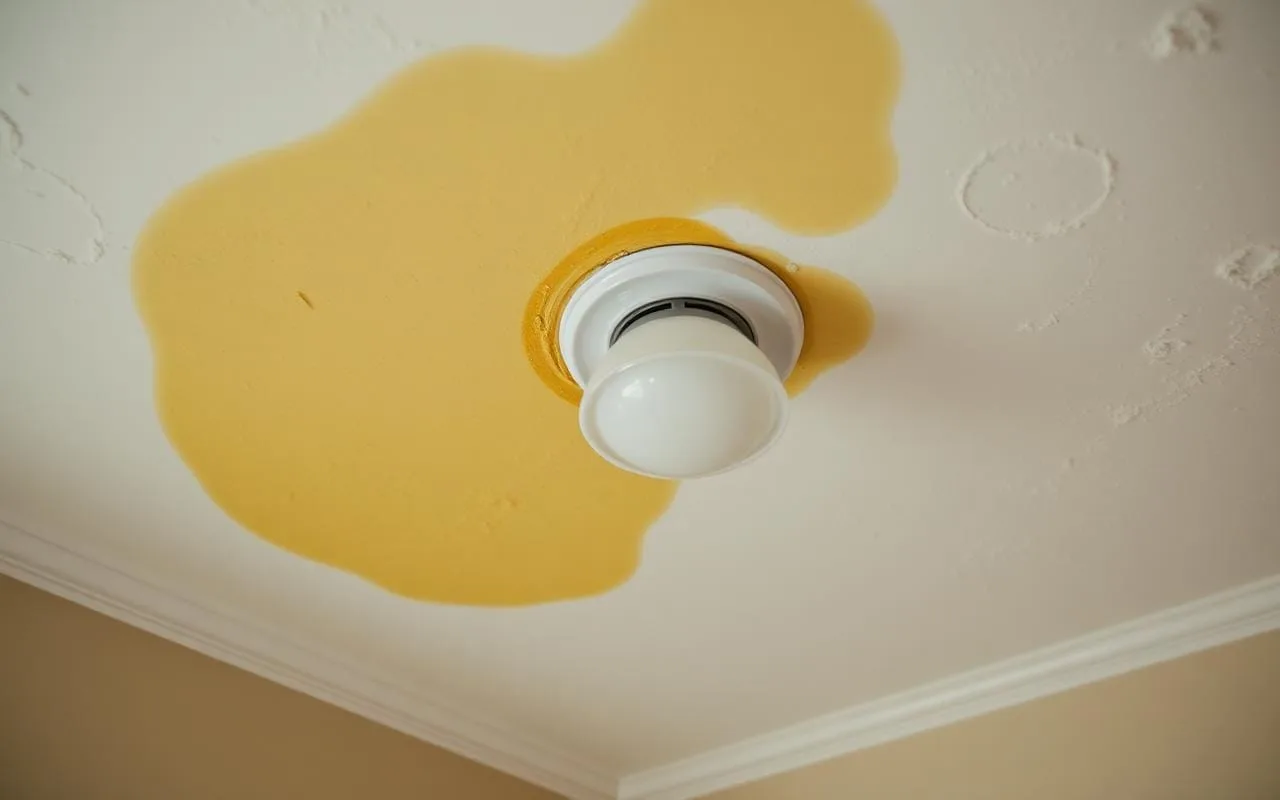
Moisture damage can be as bad as heat damage, sometimes worse because it sneaks up on you. Warm air rises into the attic and condenses on cooler surfaces in winter. This can soak insulation, feed mold, and rot wooden rafters. According to the U.S. Environmental Protection Agency, keeping moisture in check is key to stopping mold and keeping indoor air healthy.
Ice Dams and Winter Damage
Poor ventilation can lead to uneven roof temperatures, causing ice dams. When heat escapes into the attic, it warms the roof, melting the snow. This melted water can refreeze at the roof’s edge, forming ice dams. These block drainage and push water under shingles, which can damage underlayment, fascia, soffits, and ceilings. That’s why, after heavy winter storms, you might need emergency roof repair.
Key Warning Signs of Poor Attic Ventilation
Uneven Indoor Temperatures and High Energy Bills
If your home feels hotter upstairs in summer or colder in winter, even with the HVAC running, it might be a sign that your roof ventilation is failing. Trapped attic heat makes it tough to regulate indoor temperatures, putting extra strain on your heating and cooling. If your energy bills are rising without reason, ventilation issues might be why.
Mold, Mildew, and Musty Smells
If you catch a musty whiff in the attic or upper floors, that’s a sign that moisture is pooling. Mold thrives in damp, poorly ventilated areas, with the attic being a common spot. If you see discoloration on rafters, damp insulation, or smell something off, get an inspection soon. For more on attic energy loss, check out our related article, Your Handy Guide to Spotting Roof Energy Loss in Brick Township, NJ.
Curling Shingles and Visible Roof Wear
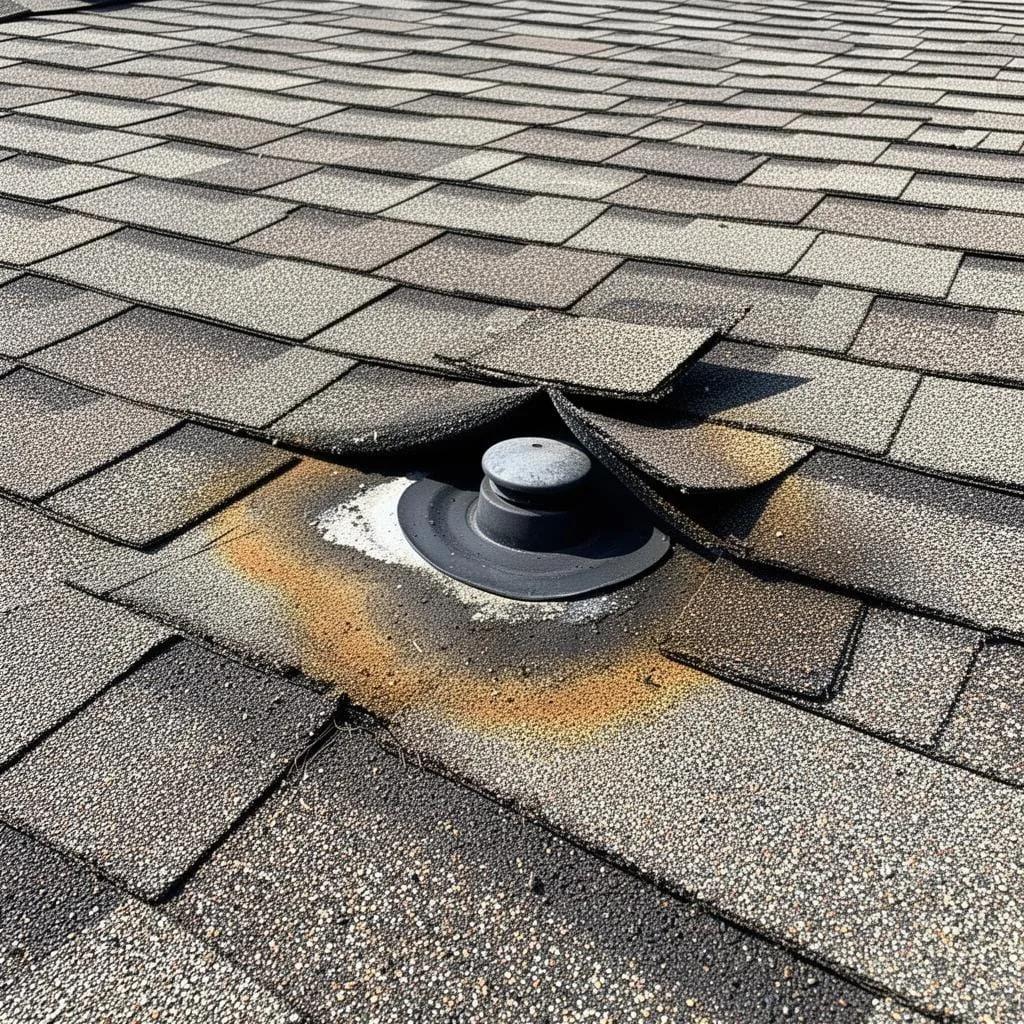
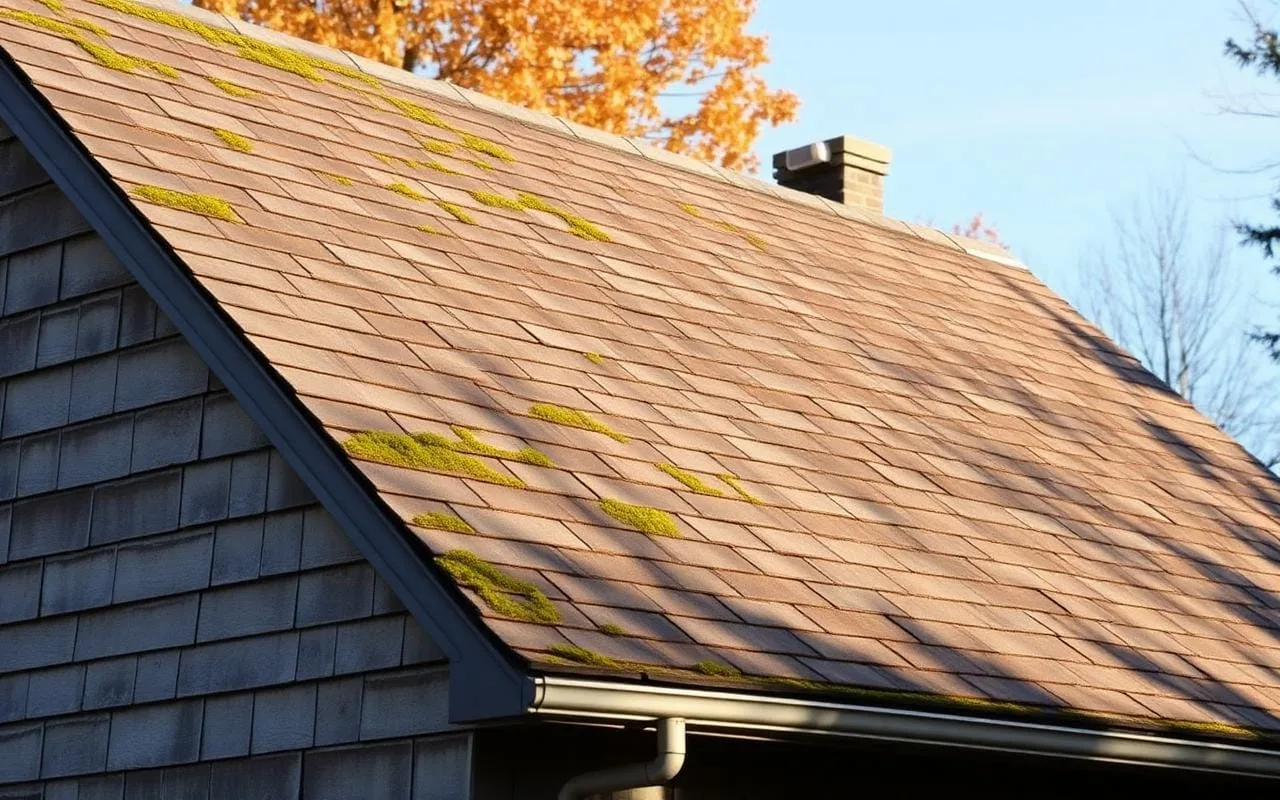
If shingles are blistering, curling, or look worn, it could be due to attic heat. Poor ventilation can make roof materials age from the inside out. That’s why regular roof maintenance is crucial—damage often creeps up slowly, and by the time you notice, repairs might be costly. Routine inspections can catch these issues early.
The Science Behind Moisture Control and Energy Efficiency
How Ventilation Protects Insulation Performance
Insulation works best when it’s dry and well spread out. If attic moisture rises, insulation can get damp or squished, reducing its effectiveness. This makes it harder to keep your home warm in winter and cool in summer. Proper ventilation keeps humidity in check and helps the whole building work efficiently.
Energy Savings and Temperature Control
Good ventilation can lower cooling costs by stopping attic heat buildup, especially in sunny spots. It also helps keep indoor temperatures steady, reducing wear on your HVAC system. That's why many see ventilation as key to home performance. For more on roof systems and weather, see the National Roofing Contractors Association.
Why Balanced Systems Work Better
Throwing in an extra vent or fan won’t always solve attic heat issues. A balanced system is needed so air moves naturally across the attic. Without enough intake, exhaust vents can pull air from the wrong places, creating pressure problems. That’s why pros look at the whole roof setup, not just one issue.
Latest Trends and Roofing Best Practices
Modern Ridge and Soffit Vent Systems
New roof ventilation techniques make airflow efficient with fewer visible parts. Ridge vents are great for exhaust as they run along the roof peak, supporting even airflow. Soffit vents handle intake, bringing in cooler air from the roof’s lower edge. When paired right, they keep the attic dry and regulated.
Ventilation Checks Are More Common
More homeowners are asking for ventilation checks during roof inspections since the link between attic health and roof life is better known. This is key in coastal areas with humidity and storms. Maintenance here should include airflow checks and physical wear inspections. If your home needs a thorough check, consider pairing it with roof replacement or gutter installation.
Considering the Local Climate
Homes in Brick Township, NJ, face unique challenges like high humidity, salt, and storms. These conditions can age roofs faster, especially if attic moisture can’t escape. Local roofs need more than generic advice; they need strategies for moisture control and weather resistance. Consulting a local expert can help with the right ventilation approach.
How to Inspect Your Home for Ventilation Problems
Start with a Safe Attic Check
Check the attic on a mild day. Look for damp insulation, dark stains, rusty nails, and mold. Notice if the attic feels hot, stale, or humid compared to the rest of the house. These signs hint that air isn’t flowing properly.
Look at the Roof from the Outside
Check the roof from outside too. Look at the ridge, soffits, and eaves for blocked vents or damaged materials. Pay attention to shingles around vent openings as poor installation can limit airflow and cause leaks. If unsure, a professional inspection can help.
When to Call a Pro
Some issues need professional help. If you see sagging sheathing, shingle damage, or recurring mold, call a roofer. They can check if you have enough intake and exhaust and if attic insulation blocks airflow. For local support, our Brick Township, NJ service area page has more info.
Real-World Example: Why Coastal Homes Age Faster
Salt Air and Humidity Accelerate Damage
In coastal areas, ventilation matters more because salt air and humidity strain roofing. Homes near the shore may see faster metal corrosion and more moisture issues in the attic. Without good airflow, these factors can shorten a roof’s life.
Why Brick Township Homeowners Should Pay Attention
Brick Township’s coastal climate stresses roofs from shingles to insulation. Strong UV rays, storms, and freezing winters mean small ventilation issues can become big problems. Regular checks help avoid water intrusion and energy waste.
Lessons from Long-Term Roof Performance
Roofs rarely fail from one big event. They wear out from years of stress: heat, moisture, and material fatigue. By the time a leak appears, the issue may have been brewing for seasons. The best time to fix ventilation is before damage shows.
Costs, Repairs, and What to Expect
Understanding Ventilation Improvement Costs
Improvement costs vary by roof size, complexity, and needed repairs. Some fixes are a few hundred dollars; others, a few thousand. In Brick Township, NJ, costs range from $337 to $3,379. The cost depends on whether it’s a small fix or part of a bigger plan.
What Professional Work May Include
Improving ventilation might mean adding ridge vents, fixing soffit vents, clearing airflow paths, replacing insulation, or fixing roof issues. In severe cases, decking repair or mold treatment might be needed. A professional inspection is key.
Preventive Maintenance Saves Money
Ventilation upgrades cost upfront, but they prevent bigger expenses later. Better airflow helps preserve shingles, reduce moisture repairs, and lower utility bills. Ventilation is a simple way to protect a roof without waiting for a crisis.
Frequently Asked Questions About Poor Roof Ventilation
How Can I Tell If My Roof Has Poor Ventilation?
Signs include uneven indoor temperatures, mold in the attic, curling shingles, attic heat, and moisture stains. If these symptoms appear, it’s more than cosmetic. A professional inspection can confirm airflow issues.
Can Poor Ventilation Damage My Roof Warranty?
Sometimes, yes. Many warranties require maintenance, and ventilation is part of that. If moisture or heat buildup contributes to roof failure, claims can get tricky. Check our roof warranty guide for Brick Township homeowners and consult your contractor.
Should I Add More Vents?
Not always. Adding vents without checking the system can create issues like imbalance. A balanced system is better than just adding more vents. Evaluate the attic as a system, including intake, exhaust, and insulation.
Protecting Your Home Starts with the Right Ventilation Strategy
Make Ventilation Part of Your Roof Maintenance Plan
Ventilation is ongoing. Check attic conditions seasonally and after storms. Keep soffits clear, check vents, and monitor moisture levels. If you suspect a problem, address it early to avoid costly repairs.
Work with a Pro Who Knows Your Climate
The best solutions fit your roof structure and local weather. Work with a roofer who understands coastal humidity and storms. Quality Roof Pro offers expertise in performance and moisture control. For help, contact us at (732) 770-3867 or info@qualityroofpro.com. Your roof protects everything below it, and good ventilation keeps it strong for years.