A major storm just tore through your neighborhood. The wind howled, ice pounded the pavement, and now things are finally quiet. Your windows survived, but your roofing materials probably took a heavy beating. Most homeowners walk outside the next morning, look up, and assume everything is fine because no shingles are lying in the yard. That is a dangerous mistake.
Hail damage hides in plain sight, quietly compromising the strength of your shingles long before a brown water stain shows up on your ceiling. You do not need an extension ladder to figure out if your property was hit, and climbing up there is risky anyway. The best clues are sitting right in your front yard. Below we break down exactly what a hail damage roof looks like, how to hunt for collateral damage from the ground, and when you should pursue a minor roof repair rather than rolling the dice on the next rainstorm.
Quick tip: Check your gutter downspouts right now. If you see a dark pile of sandy grit collecting at the bottom, your shingles just lost a large amount of their protective coating.
What Does Hail Damage Look Like on a Roof?
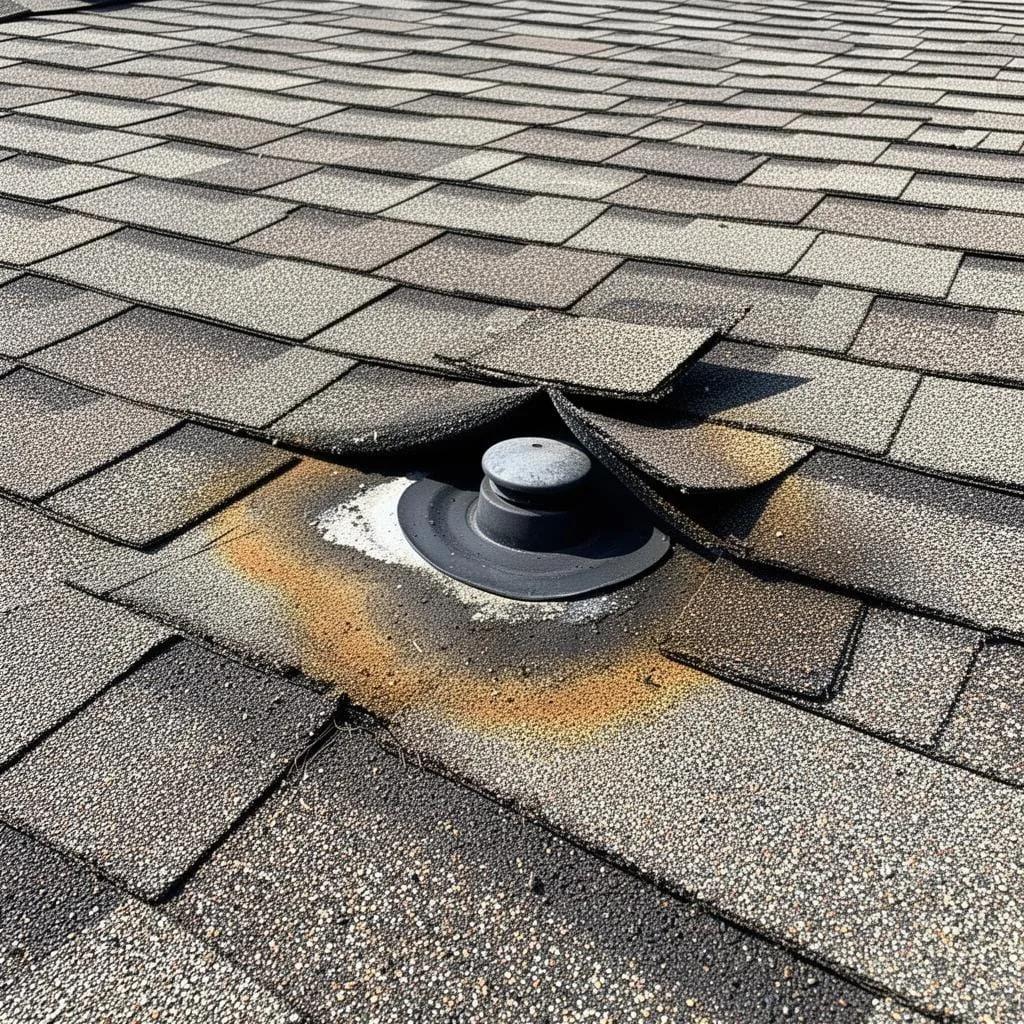
Different roofing materials react differently to high-speed impact, but standard asphalt shingles share a few universal symptoms after a severe pounding. When you know what to look for, the aftermath is undeniable. The primary visual signs are stripped granules, circular bruising, and physical fractures.
Granule Loss on Asphalt Shingles
Those tiny, rough pebbles coating your shingles are not just there for texture. They act as sunscreen for your home. When hailstones smash into your roof, they scrub those granules off, washing them down your gutters and leaving the underlying asphalt exposed. Without that protective layer, harsh UV rays bake the exposed tar. The material dries out, blisters, and eventually stops shedding rainwater efficiently.
Bruising and Circular Dents
Sometimes the granules stay put, but the blunt force of the falling ice still does its job. A direct hit can shatter the fiberglass mat hiding just beneath the surface. Roofers call this “bruising,” and it is a primary focus for any inspection. Press a thumb against a bruised shingle and it feels soft and spongy, like a rotten apple. These weakened spots lose their strength and become prime targets for wind and sudden leaks.
Cracked or Missing Shingles
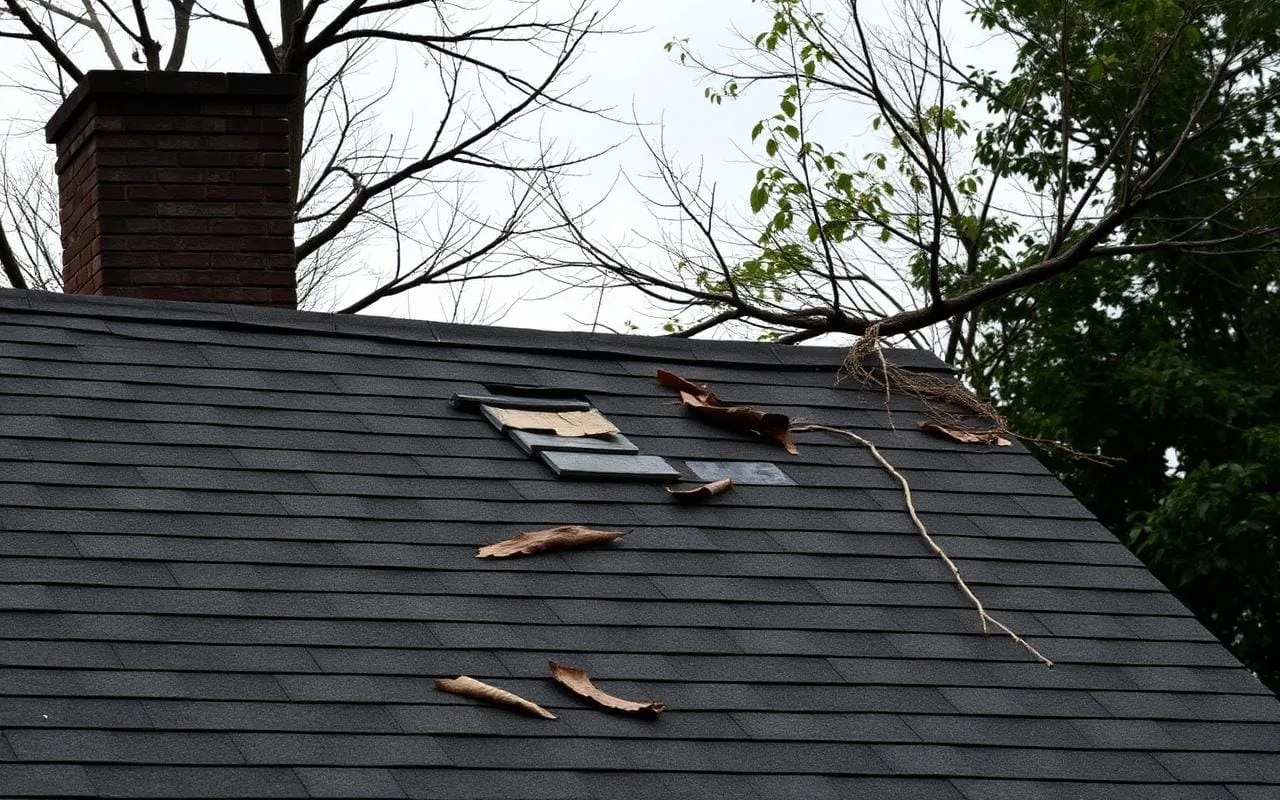
Heavy storms don’t just drop ice; they bring aggressive, swirling wind. A dense hailstone driven by fifty-mile-per-hour gusts can snap an older shingle right down the middle. In extreme cases, entire tabs get ripped away and tossed into the yard. A cracked or missing shingle is an immediate concern because your water-resistant underlayment is now fully exposed to the elements.
7 Hidden Signs of Roof Hail Damage You Shouldn’t Ignore
You can learn a lot about your roof’s condition without ever leaving the grass. If the falling ice was big enough to fracture thick asphalt, it definitely left its mark on softer materials scattered around your property.
- Dented gutters: Check your downspouts and aluminum gutter screens for fresh dings.
- Damaged siding: Look closely at the side of your house that faced the wind. Splattered paint or cracked vinyl are red flags.
- Pockmarked roof vents: Exhaust vents and metal valleys dent easily.
- Granule runoff: Coarse black sand pooling near downspouts is a classic sign of rapid shingle deterioration.
- Battered AC units: Look at your outdoor HVAC condenser. The aluminum cooling fins will show clear splatter marks.
- Water stains: A faint brown ring forming on your ceiling drywall means moisture is already in your attic.
- Chipped deck paint: Inspect your wooden fences or decking for freshly chipped paint where jagged ice blasted the wood.
Does Hail Damage Require a Roof Replacement?
Not every passing storm results in a total loss. You have to separate minor cosmetic damage from major functional damage. Shallow dents on your metal chimney flashing might look ugly from the street, but they rarely cause active leaks.
The age and overall health of your roofing system plays a big role. Older, brittle shingles shatter easily under pressure. If a qualified local inspector determines the fiberglass mat is fractured across multiple slopes, a full roof replacement is almost always the smartest move. On the other hand, if your roof is only a couple of years old and took isolated hits on one side, a skilled crew can often swap out the damaged tabs individually. Our guide to roof repair vs. replacement walks through where that line falls.
Will Homeowners Insurance Cover Hail Damage to a Roof?
Standard homeowners policies generally cover functional hail damage, provided you act quickly. The recovery process starts when you file a claim, which prompts the insurance company to send an adjuster to your house to document the storm’s impact.
Do not drag your feet. Most policies enforce a strict shot clock for storm-related events. You typically have six to twelve months from the date of the weather event to file, and if you miss that window, you are paying out of pocket.
Pro tip: Never call your insurance company before having a local professional handle a roof inspection first. An experienced roofer knows how to spot the subtle bruising that overworked adjusters routinely overlook, which can save you from a denied claim.
Trust Quality Roof Pros for Your Post-Storm Recovery
New Jersey weather does not mess around, and neither do we. At Quality Roof Pros we have spent years handling severe local storm damage recovery, safely climbing up there so you never have to take the risk.
We pride ourselves on transparent, honest property evaluations. When our local crews show up, we run a thorough inspection process that documents every compromised shingle and dented exhaust vent. We know what insurance adjusters need to see to confidently approve a claim, and we provide the photographic evidence to back it up. We take a customer-first approach, taking the stressful paperwork off your plate and only recommending work when it is functionally necessary.
Conclusion
Ignoring a storm-battered roof is a recipe for expensive interior headaches. Taking twenty minutes to walk around your property and check for dented metal gutters, damaged siding, and heavy black granule runoff can catch the early warning signs long before rot sets in. Protect your home and maximize your insurance benefits by acting fast: document the ground-level damage with your phone and reach out to a trusted local professional for an honest assessment before the next heavy rain rolls in.
Frequently Asked Questions
Can small hail damage shingles?
Yes, it absolutely can. Even ice chunks under a quarter-inch can scrub off protective granules and compromise older asphalt. Small hail might not cause an immediate leak, but it strips years off the expected lifespan of your roofing system.
How long after a hailstorm should you inspect your roof?
Do a visual sweep of your yard, gutters, and exterior siding the morning right after the storm. Schedule a professional evaluation within one week so you don’t miss tight insurance filing deadlines.
Can hail damage cause roof leaks?
Yes. When the shingle mat fractures from impact, standing water finds its way through the underlying felt paper and onto your wooden decking. Left unchecked, that moisture turns into ceiling drips and structural wood rot.
What size hail causes roof damage?
Generally, hail must be at least one inch in diameter (roughly the size of a quarter) to cause functional damage to asphalt shingles. That said, smaller, dense hail driven by high winds can still strip protective granules and bruise older, brittle roofing materials.
Do I need to fix hail damage if my roof isn’t leaking?
Yes. Hail damage is progressive. A bruised shingle might not leak today, but the fractured fiberglass mat will deteriorate over the coming months. Fixing it early prevents expensive secondary damage like rotted roof decking and interior mold.
Can I inspect my own roof for hail damage?
You should only inspect ground-level indicators like dented gutters, damaged siding, or granule runoff. Climbing onto a potentially compromised roof is dangerous. Always hire a trained local roofing professional with proper safety gear for the actual surface evaluation.
Will my insurance premiums go up if I file a hail damage claim?
Typically, a single claim for a sudden “act of God” like a hailstorm won’t directly raise your individual premium. However, if your entire neighborhood experienced severe weather, the carrier might raise baseline rates for everyone in your zip code.
How does an insurance adjuster check for roof hail damage?
Adjusters usually mark off a 10-foot by 10-foot section on your roof, known as a “test square.” If they document a specific number of functional hail hits (usually between six and ten) within that square, they will approve the replacement claim.
Can you just patch a hail-damaged roof instead of replacing it?
If the hailstorm was light and only damaged a few isolated shingles, patching is a perfectly viable option. But if the storm caused widespread bruising across multiple slopes, a full roof replacement is required to restore the roof’s integrity.
Can metal roofs get hail damage?
Yes, metal roofs can suffer hail damage, but it is almost entirely cosmetic. Large hailstones leave dents and pockmarks on the panels, but it takes exceptionally severe, baseball-sized impacts to actually puncture the steel or compromise its waterproofing.