Available 24/7

Your Go-To Guide on How Roof Leaks Turn Into Moisture Headaches

Published April 8, 2026 by Quality Roof Pro

Roofing
Your Go-To Guide on How Roof Leaks Turn Into Moisture Headaches
Table of Contents

Your Go-To Guide on How Roof Leaks Turn Into Moisture Headaches

Roof leaks are more than just annoying drips. A tiny hole can kick off a domino effect, messing with your insulation, framing, drywall, and even your indoor air. Most folks first spot ceiling stains or a few drips, but trust us, the real trouble starts way before that. Understanding how leaks develop and spread is key if you want to keep your home in top shape.

Industry experts agree that moisture-related issues are some of the most common problems in buildings. Leaks aren't just a post-storm thing; they’re often about worn-out materials, poor flashing, and lousy ventilation. To avoid expensive fixes, pair routine checks with smart services like roof installations and regular maintenance. For more on keeping your home safe from water, check out the EPA’s guidance on mold and moisture.

Why Roof Leaks Lead to Indoor Moisture Troubles

Water’s Sneaky Path

Leaks don't always show up right above the water spot. Water sneaks along rafters, insulation, and even wiring before you see it. By the time it drips on your ceiling, it’s already soaked into nearby materials, making them weaker.

Small Leaks, Big Problems

A tiny crack in flashing, lifted shingles, or blocked gutters can invite moisture in. At first, it seems manageable, but repeated soaking and drying break down materials. That leads to mold, warped frames, peeling paint, and ineffective insulation.

Hidden Moisture Costs More

Hidden moisture is tricky because it’s often ignored until it’s a big issue. Wet insulation loses its magic, wood starts to rot, and humidity can spread into walls and ceilings. Suspect a leak? It’s better to call in emergency roof repair before structural damage sets in.

Common Leak Culprits Leading to Moisture Damage

Flashing Flubs

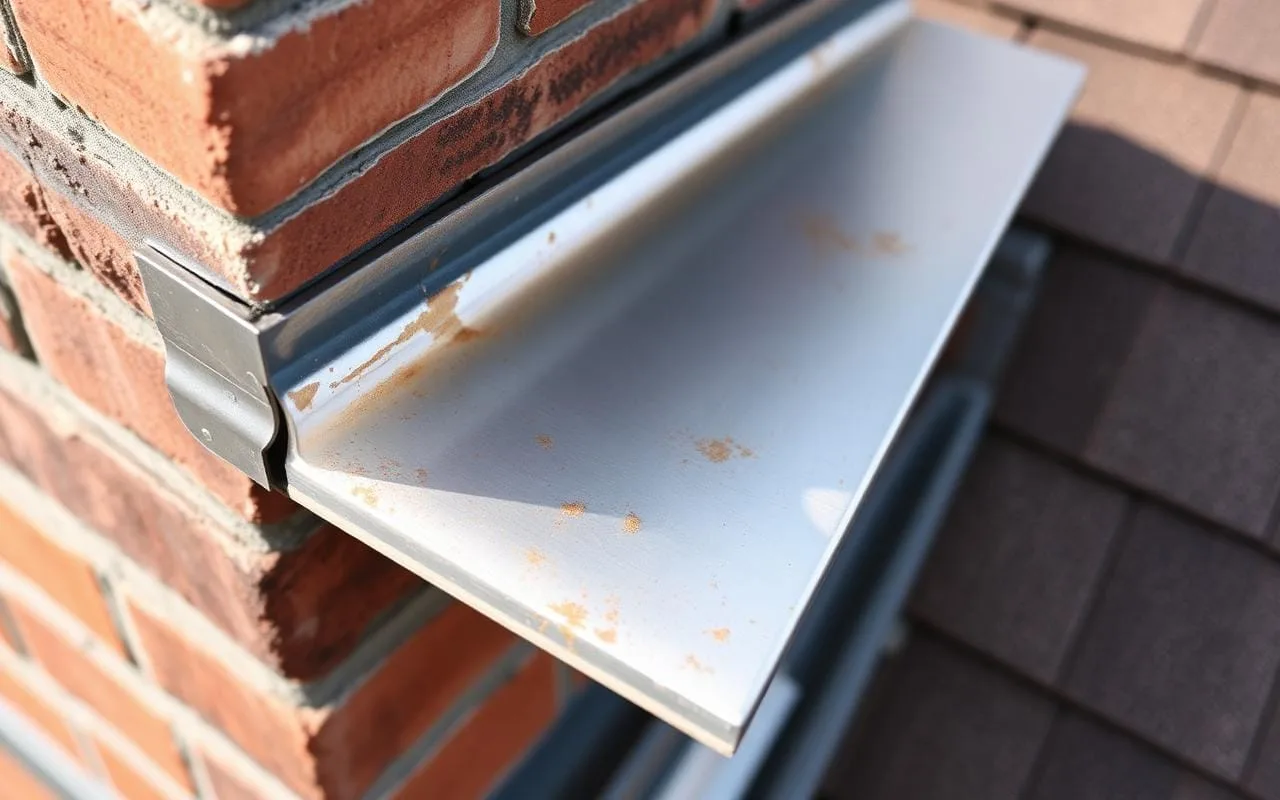
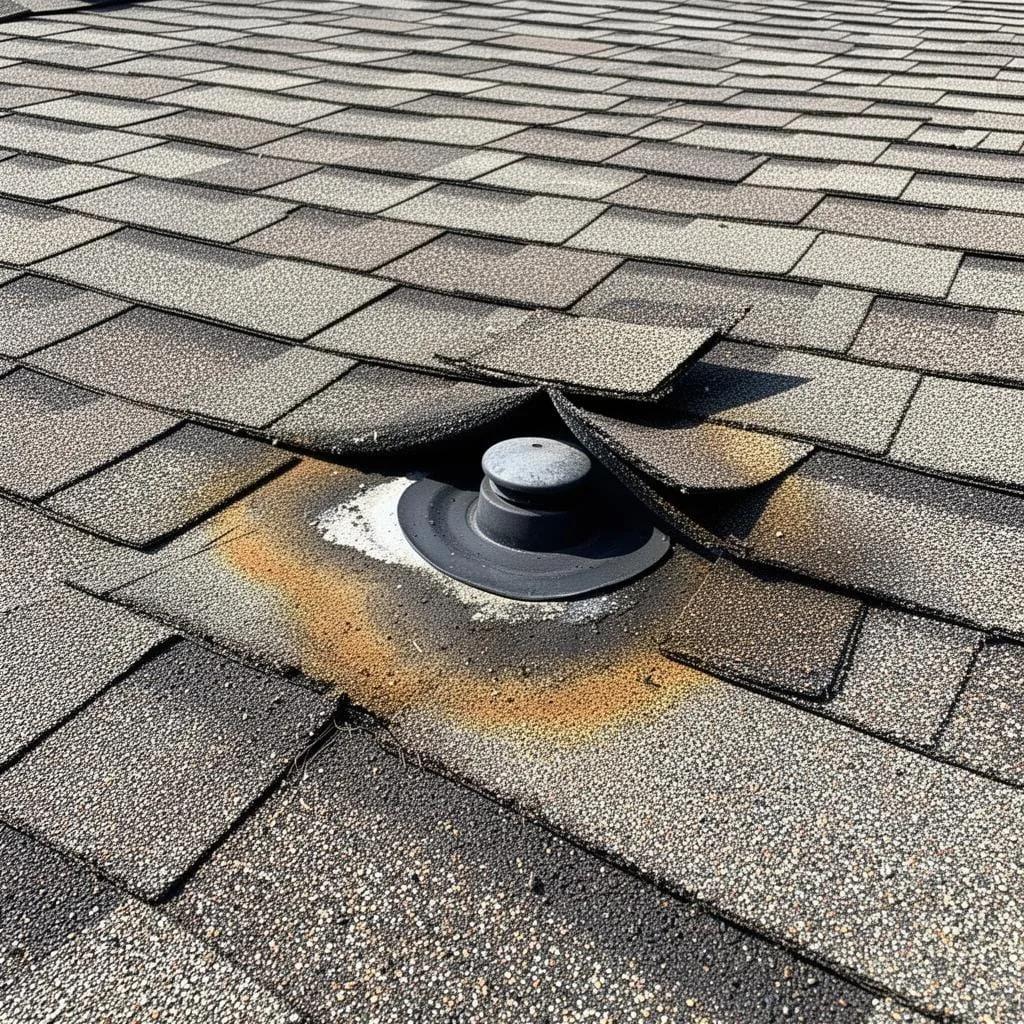
Flashing issues are a major leak source since they’re meant to seal around chimneys, vents, and skylights. When flashing rusts or separates, water flows right in. Roofing pros often find flashing at the heart of leak complaints.

Shingle Wear and Tear

Old, brittle shingles can’t keep water out effectively. Wind, hail, and debris can worsen this, especially when the weather swings wildly. If your shingles look worn, consider a roof replacement rather than constant fixes.

Gutter and Drainage Dilemmas

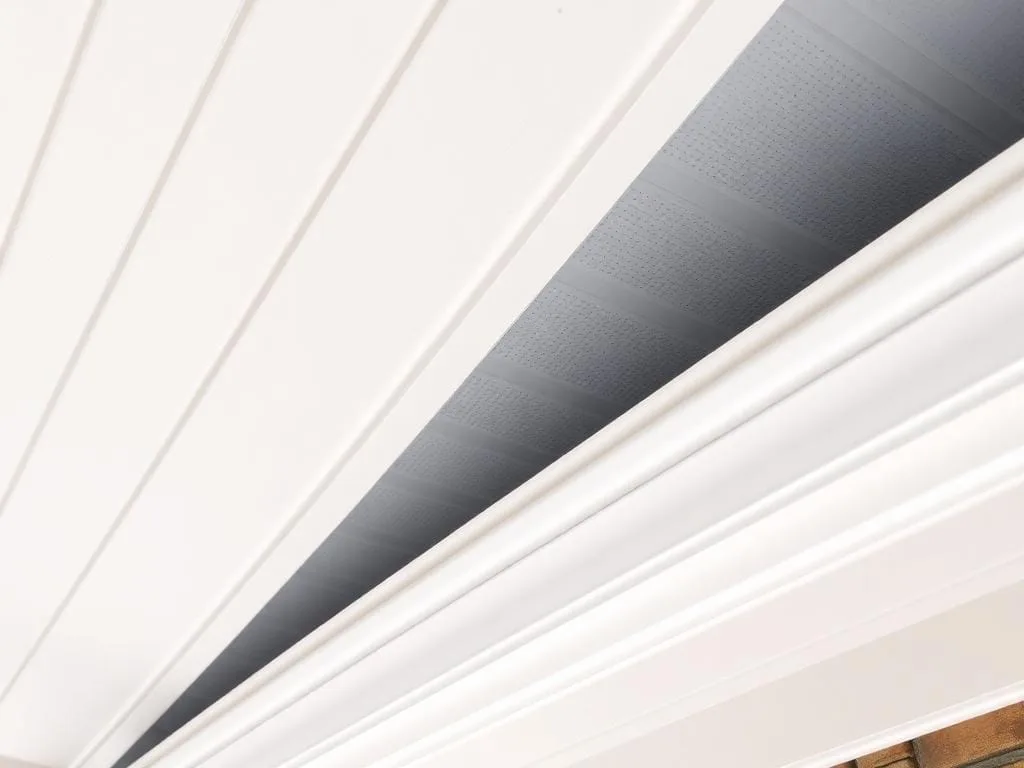
Gutters are crucial. Clogged or small gutters let water overflow, sneaking under shingles and damaging fascia and soffit areas. Improving gutter systems can stop leaks before they reach inside.

Spotting Moisture Problems Indoors

Stains, Bubbling Paint, and Warps

Moisture damage often starts with cosmetic changes. Stains on ceilings, discolored vents, and bubbling paint are early signs. These may seem minor, but they usually mean water’s already in your home structure.

Musty Smells and Bad Air

A lingering musty odor in attics or closets hints at trapped moisture and possible mold. The CDC warns that damp homes can lead to respiratory issues, which is why controlling moisture is key.

Ineffective Insulation

Wet insulation stops working well. It traps moisture, leading to higher bills and uncomfortable rooms. Consider reading about poor roof ventilation since it often worsens moisture issues.

The Risks of Letting Leaks Linger

Mold and Health Woes

Mold loves damp spots, especially when leaks go unnoticed. Mold behind walls makes cleanup harder and pricier. The longer the moisture stays, the more likely you’ll need extensive repairs.

Rotting Wood and Weak Structures

Persistent moisture weakens framing and substructures. Rot compromises a home’s strength, sometimes needing replacements beyond cosmetic fixes. Regular maintenance keeps your roof strong.

Rising Repair Costs

Fixing a small leak is cheaper than dealing with long-term water damage. Once a leak hits insulation and drywall, costs rise because repairs get complex. Not sure about your roof’s lifespan? Check our guide on roof lifespans.

How to Catch Roof Leaks Early

Inspect Ceilings, Walls, and Attics

Spotting leaks starts with simple checks. Look for stains, sagging drywall, peeling paint, and damp attic insulation. Attics often show signs before the rest of the house does. Use a flashlight after rain to check for wet spots or mold.

Watch After Storms

Storms can damage roofs without causing immediate leaks. Post-storm checks matter, even if you don’t see drips. If your area had a storm, inspect the roof or get a professional review. For more on storm impacts, see the FEMA website.

Notice Comfort and Energy Changes

Leaks can show up as discomfort before visible signs. Damp, hard-to-heat rooms might have hidden moisture. Rising energy bills could mean moisture-damaged insulation. Check out our guide on spotting roof energy loss.

Why Roof Maintenance Matters

Moisture Damage is Growing

Moisture issues are increasing, making proactive maintenance vital. Often, the problem isn't a big storm but small gaps and wear. A healthy roof is more than just shingles; it’s about drainage, ventilation, and inspections.

Inspections Catch Issues Early

Inspections reveal problems before they become leaks. Pros look for lifted shingles and failing sealants. Catching weak points early means smaller repairs. In storm-prone areas, regular checks are essential.

Maintenance Extends Roof Life

Scheduled maintenance protects your home inside and out. Cleaning, checking drainage, and repairing shingles reduce leak chances. Want a solid long-term plan? Consider professional roof installations and maintenance.

Real-Life Example: When Attic Issues Stem from the Roof

A Comfort Problem Turned Moisture Mess

A homeowner in Hopewell Township, NJ, dealt with uncomfortable rooms and poor attic insulation. Fixing the attic made the home more energy-efficient and comfy, showing how roof issues are often linked.

Why Attic Conditions Matter

Attics buffer your roof and living space, so when they fail, moisture spreads fast. Wet or thin insulation loses its ability to fight condensation and heat loss, requiring a full approach to repairs.

Fixing the Real Problem

Not all moisture issues stem from the same source. Sometimes it’s flashing, sometimes attic ventilation. Proper inspections trace the moisture pattern to recommend solutions based on the actual issue.

Considerations for Brick Township Homeowners

Local Weather Challenges

Brick Township homes face coastal conditions and seasonal swings that stress roofs. Take moisture prevention seriously, even if leaks aren’t visible yet. The local climate makes proactive care worthwhile.

Protecting Exterior Parts

Leaks don’t just damage attics and ceilings. They harm siding, fascia, soffits, and trim. A home’s exterior works as a system, so fixing one area can help another. Services like siding repair and fascia repair may be needed.

Long-Term Protection

Think about whole-home protection, including roof work, gutter improvements, and attic ventilation. For storm emergencies, learn about emergency roof tarping to stop small issues from becoming big problems.

FAQs About Roof Leaks and Moisture

Can a Small Leak Cause Big Damage?

Definitely. Small leaks can lead to significant problems if ignored. Water can damage insulation, stain ceilings, and promote mold growth.

Is It Okay to Wait on a Small Leak Repair?

No. Waiting increases costs and complexity. Small issues can grow quickly, especially in bad weather.

What if I Only See a Ceiling Stain?

A stain means the leak has happened more than once. Even if it's dry now, the source might still be active. Check your attic for more clues.

Wrap-Up: Stop Moisture Before It Starts

Roof leaks lead to indoor moisture issues because water travels through materials, weakening insulation and staining surfaces. Early detection, regular maintenance, and quick repairs are your best defenses.

If you spot ceiling stains or musty smells, don’t wait. A professional inspection can find the source and prevent more damage. Whether you need emergency roof repair or a full roofing solution, act now to protect your home. For expert help in Brick Township, reach out to Quality Roof Pro before the next storm hits.

Table of Contents
About the Author
QRP

Quality Roof Pro

Article Details
April 8, 20261 min read
Category:
Roofing
Share This Article