Roof leak repair in New Jersey costs anywhere from $300 to $1,500 for most jobs we run. The bigger question isn’t usually “how much?” It’s “is this something I should call about right now, or can it wait?” Active leaks during rain need a same-day call - we answer 24/7 at (732) 770-3867. A small water stain on the ceiling that’s been there a week without spreading can wait for a scheduled inspection. Ice dams in February? Call us as soon as possible. Those cause more damage in 48 hours than most leaks cause in a month. This guide walks you through how to tell which category your leak falls into, what we typically find when we trace the source, and what most leak repair jobs cost across our four-county service area: Ocean, Monmouth, Middlesex, and Atlantic Counties.
How to Tell If Your Leak Is an Emergency
Three questions sort almost every leak we get called on into “call now” vs “you can schedule it.” Honest answers - not what you wish were true.
Question one: is water actively dripping or running inside the house right now? If yes, that’s a 24/7 phone call. Damage from active water happens by the minute. Drywall absorbs water for hours after the visible drip stops. Insulation soaks. Subfloor warps. The financial gap between calling at 9 PM and waiting until 9 AM the next morning is usually measured in thousands.
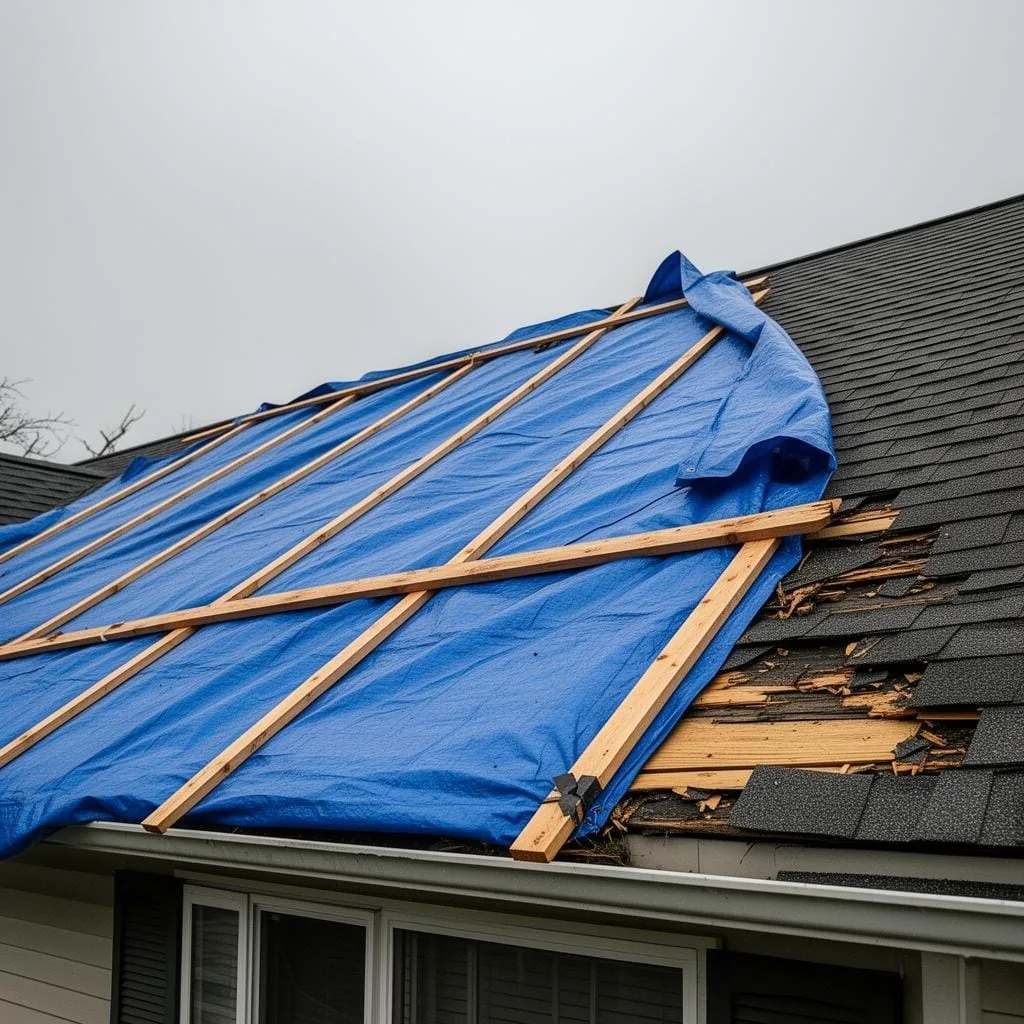
Question two: is there a tree, branch, or storm debris on your roof? Call now even if you don’t see water inside yet. A branch on the roof has already broken the shingle envelope. Once it rains, water gets in. We tarp and stabilize before that happens.
Question three: did the stain or wet spot appear or spread within the last 24 hours? Call now. New leaks behave like new wounds - they get worse with time. A stain that’s been there for months and hasn’t grown is a different conversation. A stain that wasn’t there yesterday is an active source still working.
If none of those is true - no active drip, no debris, no recent change - you probably have time to schedule a regular inspection. We typically book within 1-3 business days for non-emergency roof inspections. Need help right now? See our 24/7 emergency roof repair across NJ.
In our experience, the homeowners who feel best about leak outcomes are the ones who called within hours of noticing the problem - not the ones who waited a week to see if it gets worse. Slow leaks always get worse on the Jersey Shore. Salt air, humidity, and the freeze-thaw cycle make small problems into big problems on a faster clock than inland markets. The repair cost gap between a same-week call and a same-month call is usually 2-5x because of secondary damage to drywall, insulation, framing, and personal property. The phone consultation is free. The inspection is free. We will tell you straight whether the leak is urgent, scheduled-grade, or something you can monitor for a season. (732) 770-3867 - we answer 24/7.
Where Roof Leaks Actually Come From - Five Most Common Sources
After enough leak calls on Jersey Shore homes, the patterns become predictable. Five sources cover roughly 90 percent of what we trace.
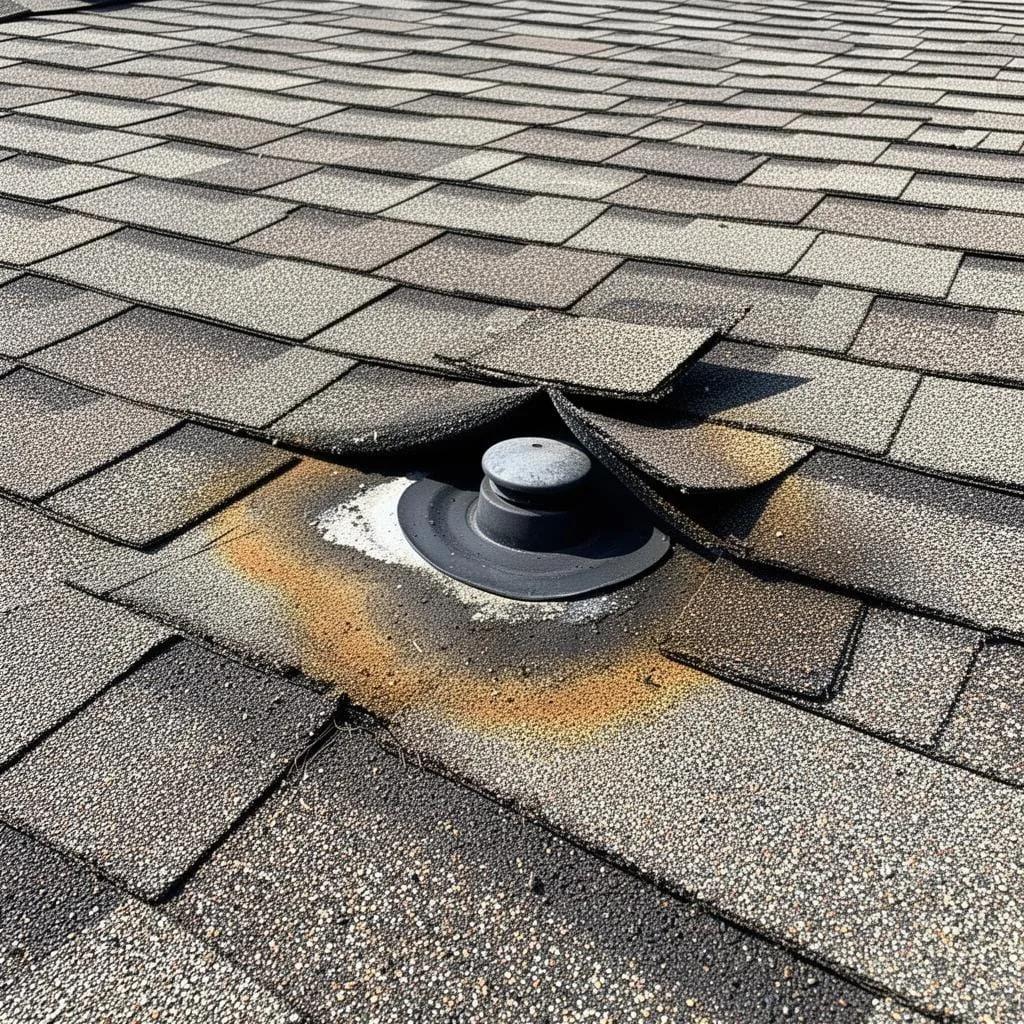
- Failed pipe boots around plumbing vents. The single most common leak source on residential roofs in NJ. Pipe boots age out in 8-15 years on coastal homes. Replacement runs $250 to $500 per boot.
- Damaged or missing flashing where the roof meets a chimney, skylight, or sidewall. When flashing fails, water runs down the vertical surface and gets behind the shingles. Repair runs $400 to $900.
- Cracked or curled shingles in valleys or along the ridge. Valleys and ridge lines take the most weather punishment. Repair runs $300 to $700 for valley work, $400 to $800 for ridge cap.
- Missing nails or popped fasteners. Wind-driven uplift can pop nails partway out, leaving small gaps. Repair is usually a tidy fix - $300 to $600.
- Ice dam buildup in winter. When warm attic air melts roof snow that refreezes at the gutter line, water backs up under the shingles. Repair plus prevention runs $800 to $2,500.
Why the Leak You SEE Often Isn’t Where the Problem Is
Water doesn’t drop straight down. It travels along framing, along the underside of the deck, along nails and ridges of plywood, until it finds the lowest point - which is where it shows up inside the house. The leak you see in the living room ceiling could be coming from a problem 6 to 10 feet away.
Our leak-tracing process starts at the wet spot inside and works backward. We go into the attic, follow the water trail along the underside of the deck, and trace it back to the actual entry point. Sometimes the entry point is right above the stain. More often it’s not.
This matters because a homeowner who tries to DIY-fix a leak by patching directly above the stain often patches the wrong spot. The leak keeps coming because the actual source is somewhere else.
Tracing a leak back to its source is the part of the job that determines whether the repair actually fixes the problem. We climb into the attic with a flashlight and follow the water staining backward along the rafter or truss until we find the entry point. On a typical job we find the entry point within 10-20 minutes of starting the trace. Either way, the trace is included in the free inspection. We document the source with photos so the repair work is targeted, not guesswork. (732) 770-3867.
When a Leak Repair Fixes It vs When You Need a Full Replacement
Three honest tests tell you whether your roof is in repair territory or replacement territory.
Test one: roof age. Under 15 years old and the rest of the field is sound? Repair almost always makes sense. 22-plus years old and showing wear across multiple areas? You’re likely chasing patches that won’t hold.
Test two: repair history. First leak on this roof? Repair. Two or three repairs in the same general area within a few years? Replacement.
Test three: how widespread the failure is. One isolated source on an otherwise sound roof is repair-grade. Multiple leaks in different parts of the roof at the same time is replacement-grade.
We tell you which side you’re on after the inspection. Some of the best money we save homeowners is the money we tell them not to spend on a roof that has another five-plus years of useful life. For deeper coverage, see our guide on complete roof replacement when repair isn’t enough.
Roof Leak Repair Cost in NJ - Realistic Ranges
- Single-source repair (one pipe boot, one section of flashing): $300 to $700. Half-day on the truck.
- Multi-source repair (several leak points addressed in one trip): $700 to $1,500. Half day to full day.
- Emergency response with tarping during active storm: $200 to $500 for the tarp. Permanent repair scheduled later.
- Decking repair when rot is found mid-job: $600 to $1,500 added to base. We show you the rot before we replace anything.
- Insurance-driven storm damage repair: variable. We help document the claim with the Insurance Information Institute homeowners claim documentation guide - we don’t negotiate the claim with your adjuster (regulated work in NJ).
- Ice dam aftermath repair: $800 to $2,500. Higher because the damage is rarely just shingles.
What to Do Tonight Until We Get There
If you’ve called us and the crew is en route, here’s what helps and what doesn’t until we arrive.
Place a bucket or large pan under any active drip. Move electronics, important paperwork, and anything else water-sensitive out of the room.
Take photos and short video clips. Date-stamped photos are useful for insurance documentation later.
Don’t climb on the roof yourself. Wet shingles are slick. Wind during an active storm makes climbing dangerous.
Don’t try to caulk or seal from inside. Sealing from inside doesn’t fix the source - it just hides the symptom and makes the trace harder when we get there.
Don’t panic. Most leaks don’t bring the ceiling down in the next hour. The damage clock is real but not as fast as it feels at 11 PM with a bucket in the kitchen. Help is on the way. For homeowners in our home county, see our Ocean County leak repair coverage. Curious about cost beyond leaks? Read our general roof repair cost overview.
Got an Active Leak? Call (732) 770-3867 Right Now
Brick Township | Toms River | All four counties. We answer day or night.