How New Jersey's Weather Can Quickly Wear Out Your Roof
Many folks in New Jersey think their roofs will last as long as the manufacturer says, but the state's mix of coastal salt air, freeze-thaw cycles, heavy rain, and stronger storms can speed up the aging process. Let's dive into how these climate factors play a role, how different roofing materials hold up, and what Brick Township homeowners can do to keep their roofs in good shape. You'll find tips on inspections, seasonal checklists, knowing when to call a pro, and choosing materials that can withstand local weather conditions.
Why New Jersey’s Weather Is Tough on Roofs
The Coastal-Continental Mix
New Jersey is right at the crossroads of coastal and continental climates. The coastal areas bring salt spray, more humidity, and the risk of storm surges, while inland and northern parts deal with freeze-thaw cycles and heavy snow. This blend puts a lot of stress on roofing systems, causing salt-driven corrosion, constant wetting and drying, thermal expansion, and strong winds during storms. Knowing what you're up against is the first step to managing roof maintenance.
Coastal Salt Air and Quick Corrosion
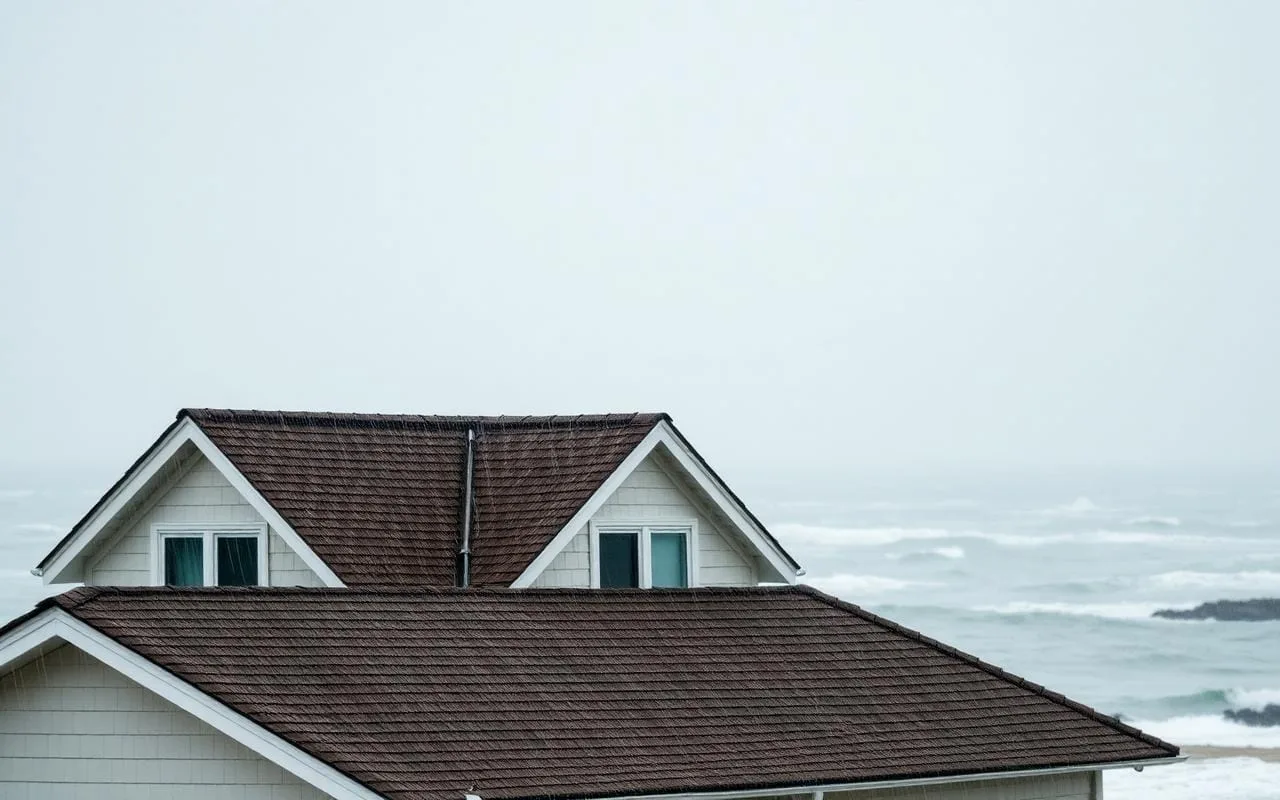
Homes near the Jersey Shore, like those in Brick Township, face salty air that speeds up corrosion on metal parts like flashing, fasteners, gutters, and some roofing panels. Salt can really shorten the life of these metal components by causing pitting and rust. For those living near the coast, picking corrosion-resistant materials is key to fighting this wear and tear.
Urban Heat and Thermal Stress
Cities and suburbs can create "heat islands," raising daytime roof temperatures and slowing down nighttime cooling. Higher temperatures break down asphalt binders and other organic parts in shingles faster, leading to cracking, curling, and granule loss. When you add wet and dry cycles, the heat becomes a major stressor on roofs.
Consider professional roof installation options with high-temperature resistant materials and upgraded underlayments to better handle these conditions.
Key Weather Challenges in New Jersey
Freeze-Thaw Cycles and Ice Dams
When it freezes and then thaws, roofing materials can move and let water into cracks and seams. If this water refreezes at the eaves, it can form ice dams, trapping water under shingles and causing leaks and rot. Good attic insulation and ventilation help reduce ice dams by keeping the roof temperature even.
Heavy Rain, Drainage Issues, and Water Intrusion
New Jersey gets about 45–51 inches of rain each year, which puts a lot of pressure on shingles, flashing, and drainage systems. If gutters are clogged or not enough, water can back up under shingles or soak roof edges, raising the risk of rot and mold. Regular gutter cleaning and proper slope design help move water away from vulnerable areas quickly.
Wind, Nor’easters, and Stronger Storms
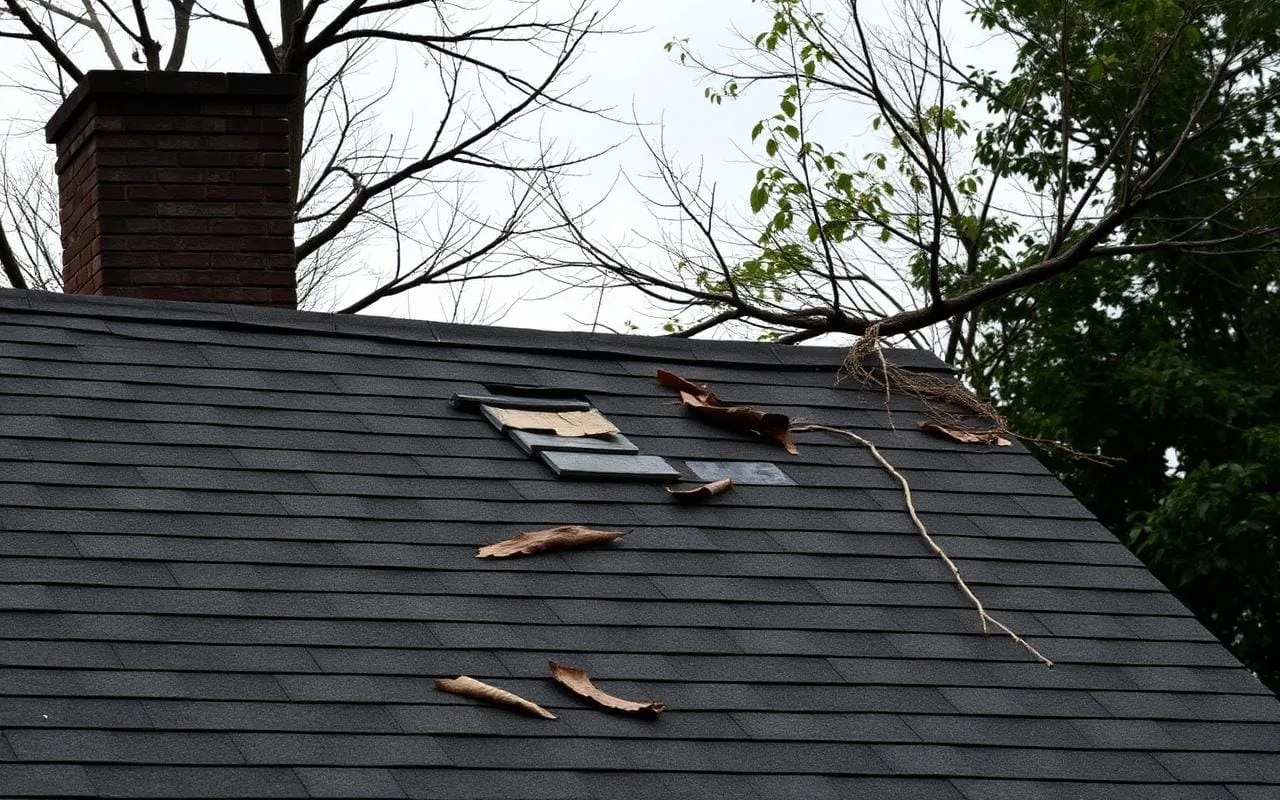
Coastal homes face high winds and storm surges from nor’easters and tropical storms. Recent trends show storms are getting stronger, which can lift shingles, bend metal panels, and dislodge flashing. Securing roofing systems against these forces and installing impact-resistant materials can cut down on storm damage.
Humidity and Biological Growth
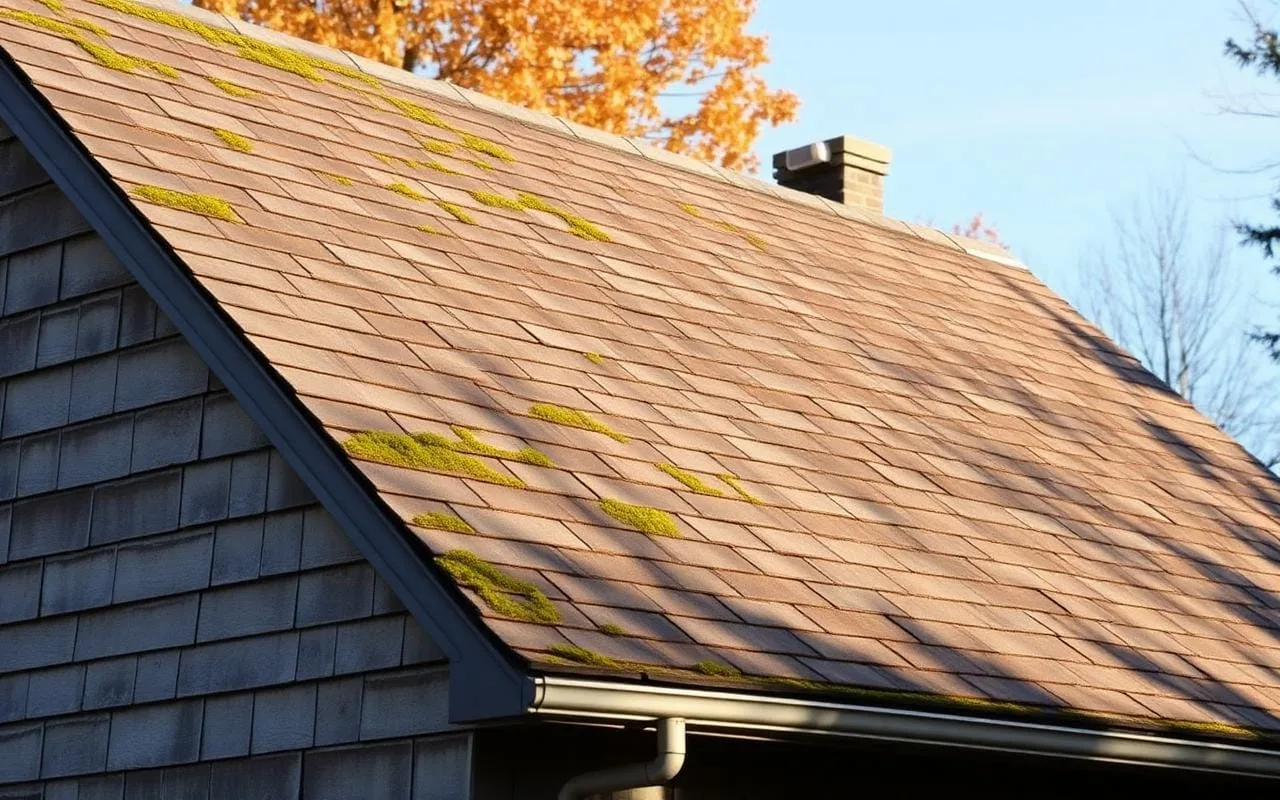
High humidity encourages moss, algae, and lichen to grow on shaded roof surfaces. These organisms hold moisture, weakening shingles and speeding up granule loss. Removing debris, trimming overhanging branches, and using cleaning treatments can prevent this growth.
For more information about regional climate trends, the National Oceanic and Atmospheric Administration provides research and projections.
How Different Roofing Materials Hold Up in New Jersey
Asphalt Shingles: Common but Vulnerable
Asphalt shingles are popular because they're affordable and easy to install. In New Jersey, they typically last 15–25 years, but that can be shorter with lots of UV exposure, freeze-thaw cycles, and poor ventilation. Granule loss, curling, and seam separation are common issues. Near the coast, salt and humidity speed up binder breakdown.
Metal Roofing: Long-Lasting and Tough
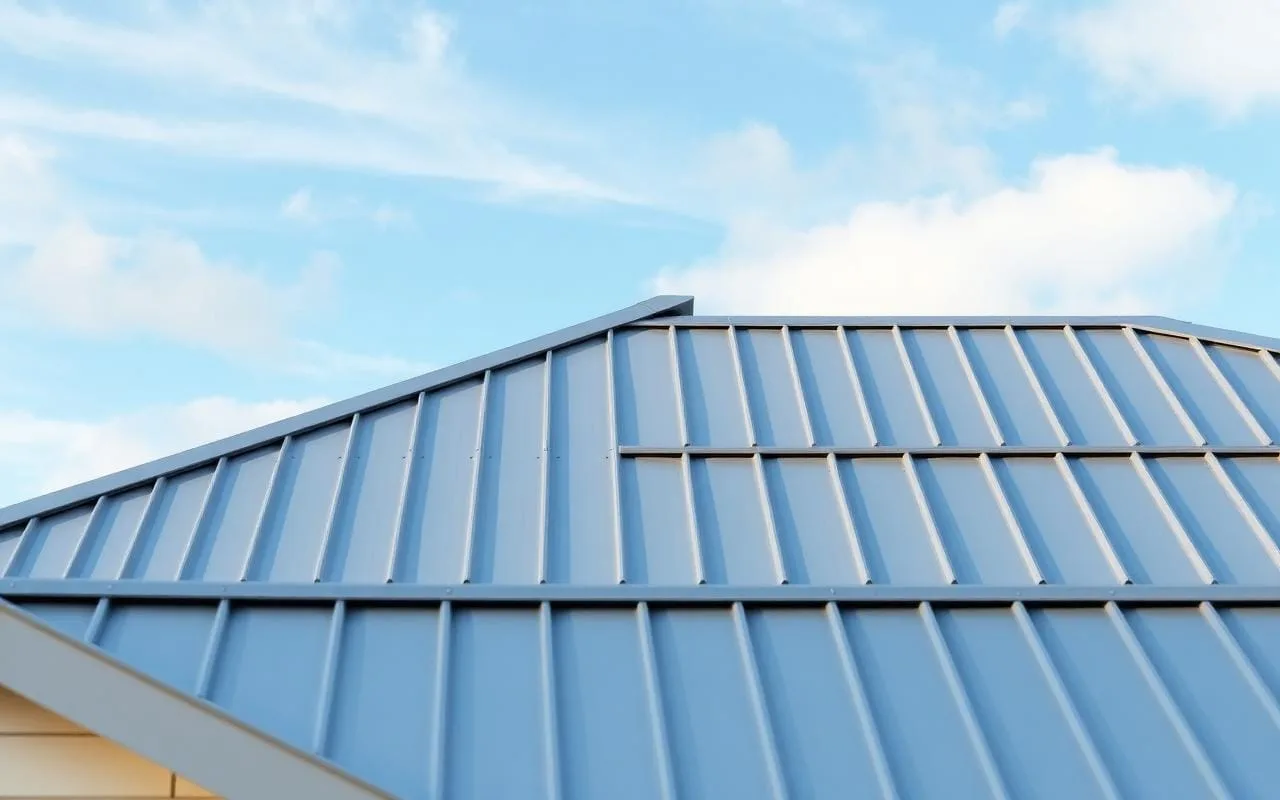
Metal roofs can last 40–70 years with proper care. They handle high winds, shed snow well, and resist biological growth. Coastal areas need marine-grade coatings and corrosion-resistant fasteners to prevent rust. Attention to detail around flashings and penetrations is crucial to prevent water infiltration.
Slate and Tile: Durable but Demanding
Slate and high-quality tile can last over 50 years and resist UV and moisture well. They require adequate framing and flashing systems. In New Jersey, they offer longevity but need careful maintenance of mortar joints and underlayment, especially after storms.
Synthetic and Modern Membranes
Polymer-based shingles and advanced membranes offer improved impact resistance and UV stability with lighter weight. Many synthetics resist algae and retain less moisture, which is ideal for humid coastal areas. Actual longevity depends on installation quality and maintenance.
If you're considering an upgrade, our roof replacement services can recommend the best options for local conditions.
Maintenance Tips for a Longer-Lasting Roof
Bi-Annual Inspections: What to Check
Schedule roof inspections in spring and fall to catch problems early. Look for missing or damaged shingles, loose flashing, clogged gutters, granule loss, and signs of moss or algae. Check the attic for leaks or insulation issues that might indicate roof problems.
Gutter Care and Water Management
Gutters and downspouts are key to preventing water damage. Clogged gutters can cause overflow, rotting fascia, and soaking roof edges. Regular cleaning, installing guards, and ensuring downspouts direct water away from the foundation reduce risks.
Consider professional gutter installation if your system struggles with heavy storms.
Attic Ventilation and Insulation
A well-ventilated attic keeps the roof deck closer to outdoor temperatures, reducing thermal cycling that damages shingles. Proper insulation prevents warm air from melting snow, which helps stop ice dams. Good ventilation also reduces humidity, discouraging mold and wood rot.
Ice Dam Prevention and Winter Prep
To prevent ice dams, improve attic insulation, seal air leaks, and maintain a continuous layer of ventilation across the roof. In harsh winters, installing ice and water shields at eaves and valleys can prevent water infiltration. Address ice buildup and remove heavy snow loads safely to reduce structural and membrane damage.
Getting Ready for Storms and Emergencies
Pre-Storm Checklist for Homeowners
Before a storm, secure loose roof accessories, trim branches that could fall on the roof, check gutters for blockages, and clear attic vents. If you have older shingles or weak flashing, consider preventive reinforcement to reduce wind damage risks.
Post-Storm Inspection Steps
After a storm, safely check for missing shingles, damaged flashing, and displaced gutters. Look in the attic for water stains or wet insulation. Take photos for insurance claims and avoid walking on a wet or structurally compromised roof. If you find severe damage, turn off electricity in affected areas and call professionals right away.
When to Call for Emergency Help
If storm damage leads to leaks or safety hazards, reach out for emergency roof repair. Our team can install temporary tarps and stabilize structures to prevent further damage. Quick action after a storm cuts repair costs and limits damage.
For disaster preparedness and recovery tips, check out FEMA's homeowner resources.
For immediate help, contact our emergency roof repair team for rapid response and temporary protections.
Real-Life Cases in Brick Township
Coastal Deterioration: A Brick Township Bungalow
A bungalow along the Brick Township shore saw flashing and gutter corrosion within a decade due to salt spray and humidity. The homeowner opted for marine-grade fasteners and powder-coated aluminum gutters. These upgrades stabilized roof performance and extended its life by 8–10 years, showing that focusing on corrosion-resistant materials pays off.
Urban Heat Island Example from Nearby Towns
In denser areas, a homeowner noticed shingles failing years earlier than those on shaded roofs. By upgrading to high-reflectivity synthetic shingles and improving attic ventilation, roof deck temperatures dropped, slowing thermal degradation. This case highlights how small changes in materials and ventilation can combat heat effects.
Storm Recovery and Insurance Documentation
Following a nor’easter, a family documented roof damage with photos and a contractor's report, which streamlined their insurance claim. Their coverage paid for upgraded materials as the damage met policy criteria. This example emphasizes the importance of prompt documentation and working with skilled contractors.
For a local assessment or retrofit plan, our team offers on-site evaluations and recommendations. See our installation services to schedule an appointment.
Picking the Right Contractor and Materials in Brick Township
Questions to Ask Potential Contractors
When talking to roofing contractors, ask about their experience with local projects, material warranties, and references from similar homes. Inquire about fastener types, flashing details, and corrosion-resistant options if you live near the shore. A contractor familiar with Brick Township’s challenges will suggest details that others might miss.
Certifications, Warranties, and Workmanship Guarantees
Verify manufacturer certifications and ask for details on workmanship warranties. A long material warranty can be meaningless if installation errors void coverage, so look for contractors who guarantee their work. Ask how they handle post-installation maintenance and storm-related repairs to ensure long-term support.
Planning and Budgeting for the Long Run
Plan roofing investments over 10–25 years, considering both expected lifespan and potential climate impacts. Budget for periodic maintenance, gutter replacements, and selective upgrades like upgraded flashing or marine-grade fasteners. Factoring climate into budgeting often reduces costs compared to frequent repairs.
FAQ and Troubleshooting
How Does New Jersey's Climate Shorten Roof Lifespan?
The mix of coastal salt air, heavy rain, high humidity, freeze-thaw cycles, and stronger storms exposes roofs to multiple stressors. Salt speeds up metal corrosion, moisture encourages biological growth and rot, and thermal cycling breaks down shingles. These factors can reduce expected lifespans, especially with irregular maintenance.
What Materials Are Best for Brick Township?
For Brick Township's coastal environment, corrosion-resistant materials like coated metal, high-grade slate or tile, and advanced synthetics with marine-grade fasteners work well. Even asphalt can be durable with upgraded underlayments, quality flashing, and regular maintenance. Choose materials based on wind ratings, marine coatings, and manufacturer recommendations for coastal exposure.
Signs You Need Help
Look for curling or missing shingles, granule loss in gutters, rusty or loose flashing, repeated attic moisture stains, and visible sagging. These signs indicate active deterioration or an underlying issue. If you notice any, contact a professional for an inspection and repairs, as delaying increases repair scope and cost.
For urgent roof issues or storm damage, our team offers rapid response via emergency repairs to stabilize your home while planning permanent fixes.
Conclusion: Practical Steps to Protect Your Roof
Key Takeaways
New Jersey’s mix of coastal exposure, humidity, freeze-thaw cycles, and stronger storms means roofs age faster unless homeowners take weather-aware steps. Choosing durable materials, scheduling inspections, maintaining gutters and ventilation, preparing for storms, and working with experienced contractors are effective strategies to extend roof life.
Checklist for Brick Township Homeowners
- Schedule roof inspections each spring and fall to catch issues early.
- Upgrade flashing and fasteners with corrosion-resistant options if you’re near the shore.
- Keep gutters clean and ensure downspouts divert water well away from the foundation.
- Improve attic insulation and ventilation to reduce ice dams and thermal stress.
- Document storm damage with photos and contractor reports to streamline insurance claims.
Contact Quality Roof Pro for a Local Assessment
Protecting your roof in Brick Township starts with an expert assessment that considers local climate and material durability. Quality Roof Pro offers inspections, replacement planning, and emergency services to keep roofs lasting longer in New Jersey’s tough environment. Reach out to schedule a consultation or emergency visit:
Quality Roof Pro
233 Lake Rd, Brick Township, New Jersey 08724
Phone: (732) 770-3867
Email: info@qualityroofpro.com
Learn more about our offerings, including roof installation, roof replacement, and gutter installation, or request an immediate quote for urgent needs. If you’re facing storm damage, don’t wait — call our emergency roof repair line for rapid response and temporary protection while planning permanent repairs.
For homeowners interested in sustainable choices and smart roofing technology, our related posts explain how to spot storm damage and which sustainable materials perform best in Brick Township: Guide to Spotting Roof Damage After Brick Township Storms and The Ultimate Guide to Sustainable Roofing Materials for Brick Township Homes. For broader regional climate context, consult Rutgers University extension resources to learn more about local environmental impacts on buildings.
Don’t let New Jersey’s climate catch you off guard — take steps now to protect your roof, extend its lifespan, and keep your home safe and comfortable for years to come.