Getting Ready for a New Roof: What You Need to Know
Replacing an old roof isn't just about tearing it off—it's about setting the stage for a new one that performs well and lasts long. This guide is here to show you why it's often best to remove the old roof, how the process works, and what to expect if you're in Brick Township. You'll leave with a handy checklist to chat over with your contractor, helping you make the best choices for your home.
Why Taking Off the Old Roof is Important
Why It’s Better for Your Roof’s Lifespan
Removing the old roof down to the deck gives contractors a chance to fix hidden damage, put in the right underlayment and flashing, and lay down new materials without dealing with old problems. Most manufacturers require this clean slate to keep your warranty valid. So, a complete tear-off gives your new roof the best shot at lasting as long as it should.
Why Skipping a Tear-Off Can Cause Trouble
Sure, adding a new layer on top of old shingles may save some money now, but it can hide rot, moisture, and loose components. Plus, it adds weight and makes inspections tricky, hiding deck issues that only get worse with time. These hidden problems can lead to leaks and pricey repairs down the road, far outweighing any initial savings.
When You Really Need a Tear-Off
Contractors usually suggest a tear-off if the shingles are brittle, there are multiple layers already, or if the roof shows widespread damage. If the decking has soft spots, past water damage, or if you're switching roofing materials, a full removal is often needed. A thorough inspection by a qualified crew will guide the right path for your home.
For quality installation, check out our professional roof installation services.
Getting the Site Ready and Safety First
Protecting Your Yard and Home
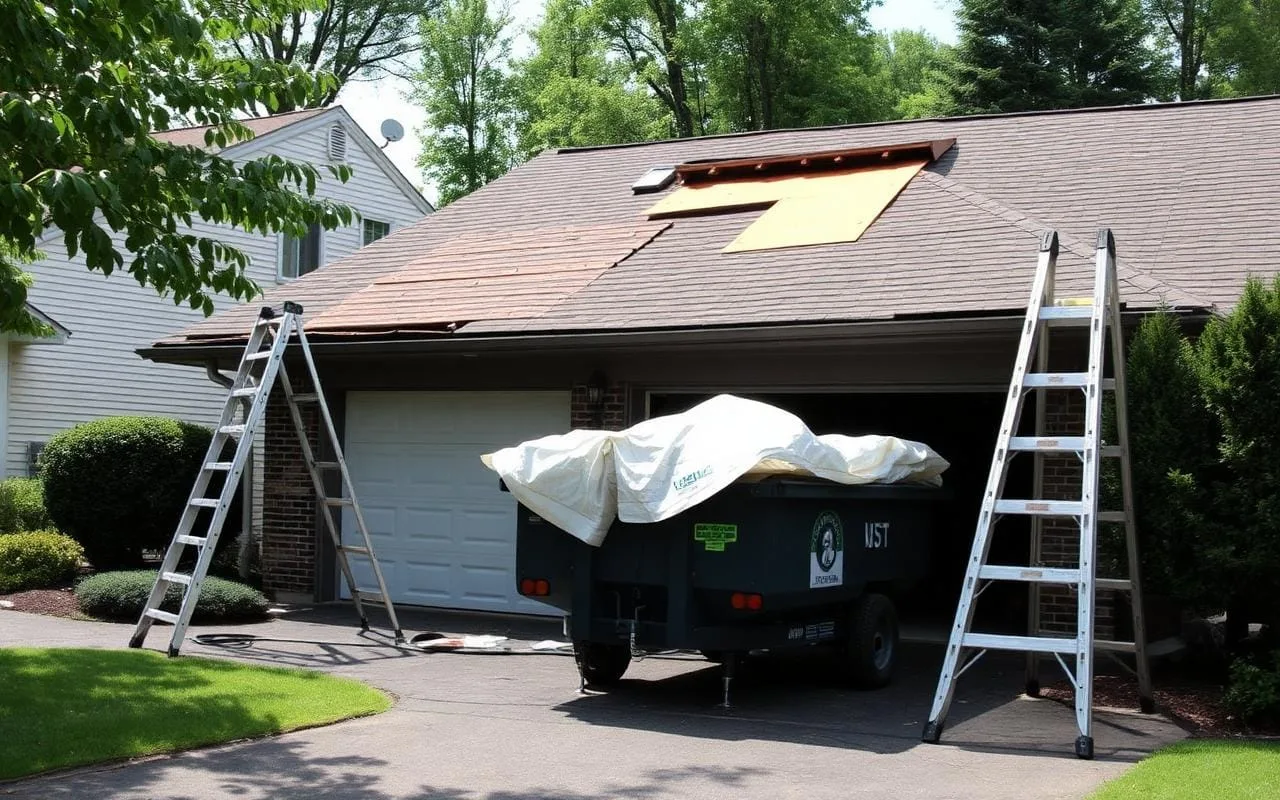
Before starting, crews will set up protections to keep your landscaping, walkways, and other features safe from debris. They use heavy-duty tarps, plywood paths, and protective fencing to keep everything intact. This way, your property stays safe and looking good throughout the process.
Keeping Workers Safe
Roof removal is hard work and can be risky. Following safety standards helps reduce accidents and injuries. The OSHA Roofing Safety guidelines are a great resource for understanding what's required to keep everyone safe.
Permits and Following the Rules
Most towns require permits for roof replacements. This ensures that the work meets local building codes and gets inspected properly. Make sure your contractor is handling permits and scheduling inspections before the work starts.
Step-by-Step: How a Tear-Off Works
Starting with an Inspection
The crew will start with a full inspection to find problem areas, check ventilation and flashing, and plan for safe access. This helps them plan for labor, materials, waste management, and timelines. Good communication during this step helps avoid surprises later.
Removing Shingles and Underlayment
Crews remove shingles and underlayment using tools that do the job efficiently without damaging the deck. They sort and dispose of materials responsibly, which speeds up the project and keeps your home exposed for less time.
Checking the Deck and Making Repairs
After the old materials are off, crews inspect the deck for rot, nail pops, and water damage. Any damaged decking is replaced to ensure a solid base for the new roof. This step is crucial since new shingles are only as good as the deck beneath them.
Fixing Flashing, Vents, and More
Flashing around chimneys, skylights, vents, and valleys is checked and usually replaced. Properly sealed flashings prevent leaks and premature roof failure.
Getting Ready for the New Roof
Once the deck is repaired, crews add underlayment, ice-and-water shields, and new drip edges to protect against water. This prep work makes sure the new roof performs well and that warranties are honored.
Handling Debris and Green Practices
Managing Construction Waste
Roof tear-offs create a lot of waste. To understand how this impacts the environment, check out what the EPA says about construction waste. Planning for disposal early can help reduce the environmental impact.
Recycling and Reusing Materials
Many materials, like asphalt shingles and metal, can be recycled. Some places even use them for road-paving. Contractors focused on sustainability will sort materials and find recycling outlets. Ask your contractor about their recycling program to choose an environmentally friendly partner.
Alternative Options: Coatings and Restorations
Not all roofs need a tear-off. Some roofs can benefit from coatings like silicone to extend their life. They’re not a substitute if the deck is bad or materials are worn out, but they can be a good alternative in some cases.
Documenting Waste and Staying Compliant
Proper documentation of waste handling shows that you're following the rules. Good contractors will provide details on where debris goes and if it's recycled. This transparency protects you and supports community goals.
Timing, Costs, and Influencing Factors
How Long Does it Take?
Roofing projects can vary, but many fall into a multi-week timeline. Average commercial projects take three to six weeks, while residential ones might be quicker. Factors like weather, deck repairs, and material availability affect the timeline.
What Affects the Costs?
Costs depend on the size of the roof, materials, deck repairs, roof features, and disposal fees. Get a detailed estimate to understand all costs upfront and avoid surprises.
Insurance and Payment Options
If the roof replacement is due to storm damage, contact your insurance early. For out-of-pocket costs, many contractors offer financing to spread payments over time. Discuss your options before signing a contract.
Safety and Quality Work
On-Site Safety and Training
Safety starts with a well-trained crew and the right equipment like harnesses and guardrails. A focus on safety not only protects everyone but also keeps the project running smoothly.
Quality Checks Along the Way
Good crews check quality at every step: before tear-offs, after deck removal, mid-installation, and at the end. These checks catch issues early and make sure everything is done right.
Staying Updated with Industry Standards
Industry associations offer training and resources to keep contractors up-to-date. Check out the National Roofing Contractors Association for more information on standards and resources.
Case Study: A Brick Township Tear-Off
Background and Homeowner Goals
A Brick Township homeowner chose a full tear-off after seeing blistering shingles and attic moisture. The local climate’s humidity and freeze-thaw cycles speed up wear, so they opted for a full inspection and recommended repairs.
What the Crew Found
During the tear-off, crews found water-damaged decking in two areas and bad flashing around a skylight. These hidden issues needed attention and were fixed with new sheathing and modern flashing.
What We Learned
The homeowner got a new underlayment, better ventilation, and a warranty-backed roof. The takeaway? Hidden damage is common, and a thorough tear-off can prevent costly repairs later. Local weather conditions made the decision to remove the old roof even more worthwhile.
For more on how New Jersey's weather affects roofs, read our post about weather impacts on roofs.
Questions to Ask Your Contractor
Scope of Inspection and Repairs
Get a detailed report on what needs fixing. A good contractor will explain what will be replaced, why, and provide a clear plan.
Permits, Insurance, and Warranties
Make sure permits are covered and that the contractor has the right insurance. Ask for warranty details and how claims are handled. Written documents protect you if issues come up.
Debris Management and Cleanup
Clarify how waste will be handled and what will be recycled. Ask about daily cleanup expectations and plans for protecting your property.
Timeline and Communication
Request a timeline with allowances for weather and inspections. Set a contact for updates and know how they'll communicate unexpected findings.
FAQs and Troubleshooting
Is Removing the Old Roof Always Necessary?
Not always. Sometimes a single-layer roof in good shape can handle an overlay, but removing the old one is usually safer. Have a contractor inspect before deciding.
How Long Does Removal Take?
Most residential tear-offs can be done in a day, but the whole project might take several days to weeks depending on size and repairs.
Common Problems After a Tear-Off
Issues like hidden rot or bad flashing often pop up. These are why a tear-off is useful—they can be fixed before the new roof is installed.
When to Consider Roof Coatings
Coatings are good for some low-slope roofs with sound substrates. They're not for roofs with structural damage, but can be a good alternative when the conditions are right.
Final Steps and What to Do Next
Pre-Project Checklist
Before work begins, clear attic and exterior access, trim branches, secure pets, and vehicles, and make sure you have a written contract. Verify who handles permits and insurance.
What to Expect During the Project
Expect noise and dust, but the contractor should keep a clean site and communicate progress. Let them know about any special concerns you have.
After the Roof is Installed
Do a final walkthrough with your contractor to review everything. Keep warranties and maintenance tips handy, and plan for annual inspections.
Conclusion: Make the Tear-Off Worth It
Taking off the old roof before a new one goes on is a smart move for performance and safety. It reveals hidden problems, keeps warranties intact, and helps the new roof last. Good debris handling, safety, and open communication make all the difference between a basic roof and one that's built to last.
If you're ready to move forward or need a professional inspection, Quality Roof Pro is here to help. We offer detailed assessments, clear estimates, and full-service solutions from tear-off to final cleanup. Check out our roof replacement services and learn how we handle every project responsibly. We also offer gutter installation to protect your property during storms. For urgent issues, our team is ready with emergency roof repair services.
For a free consultation or to schedule an inspection, call Quality Roof Pro at (732) 770-3867 or email info@qualityroofpro.com. Our office is located at 233 Lake Rd, Brick Township, New Jersey 08724.
Ready to protect your home with a roof built to last? Reach out today and let our experienced team guide you through a safe, sustainable, and well-planned roof replacement.