Available 24/7

Your Handy Guide to Spotting Roof Energy Loss in Brick Township, NJ

Published March 25, 2026 by Quality Roof Pro

Roofing
Your Handy Guide to Spotting Roof Energy Loss in Brick Township, NJ
Table of Contents

Your Handy Guide to Spotting Roof Energy Loss in Brick Township, NJ

Your roof does more than keep the rain out; it helps keep your home comfortable and manages energy use. But when things start to go wrong up there, it might send your energy bills soaring. If your rooms feel drafty or you’ve noticed a spike in your energy costs, your roof might be to blame.

The U.S. Department of Energy says roofs can account for up to 33% of a building’s energy loss, depending on factors such as the building's design and location. That’s why taking care of your roof is important. With the right materials, good insulation, and regular check-ups, you can cut down on energy loss. If your roof looks worn out, it might be time to think about replacing it or getting a pro to check it out before things get worse. For more on improving your roof's performance, check out our guide on sustainable roofing materials.

In this article, we’ll go over the common signs that your roof is losing energy, explore how new roofing tech can help, and provide steps you can take to fix these issues before they turn into costly repairs. We'll also discuss attic ventilation, insulation, cool roof systems, solar options, and what’s important for homes in coastal New Jersey.

Why Roof Energy Efficiency Matters

How Your Roof Affects Heating and Cooling

Your roof is a big part of your home’s temperature control. In the summer, a damaged roof can soak up too much heat, making your AC work overtime. In the winter, poor insulation can let your heat escape, making your furnace work harder.

This doesn’t just mess with your comfort; it can also hike up your energy bills and wear down your HVAC system. If your roofing materials are worn out, ventilation is blocked, or flashing is damaged, the whole system struggles. Considering a new roof installation might be a proactive way to improve your home’s energy use from the get-go.

Latest Insights and Practices

Energy-efficient roofing is becoming a must-have, especially in places with hot summers and cold winters. Reflective coatings and cool roofs are getting popular since they help cut down on heat absorption. According to the U.S. Department of Energy, cool roofs can really lower roof temperatures compared to standard materials, easing the load on your cooling system.

Balanced attic ventilation and proper insulation are also key. Without these, even the best-built roof might struggle. For more details, the U.S. Department of Energy’s insulation guide explains how insulation keeps conditioned air where it should be. Roofers use these tips to design systems that work well all year long.

Signs Your Roof Might Be Causing Energy Loss

1. Rising Utility Bills

If your utility bills are climbing and your habits haven’t changed, your roof might be letting heat out or letting too much in. This is especially noticeable during seasonal changes when roof inefficiencies become clear.

Compare a few months of your bills instead of just one. A pattern of rising costs might signal your roof isn’t doing its job. If there’s visible wear or damage, it might be time to consider emergency roof repairs before things get worse.

2. Uneven Indoor Temperatures

If some rooms feel much hotter or colder than others, your roof could be to blame. Energy loss often leads to inconsistent temperatures, especially in upper floors or attic spaces. Poor insulation and blocked ventilation can make this worse.

It’s easy to think it’s just your HVAC system, but temperature imbalances might actually be a sign of roof problems. A professional inspection can spot gaps or weak spots that let air leak. If your exterior is also in bad shape, consider pairing roof fixes with siding repair for better results.

3. Drafty Ceilings and Poor Attic Performance

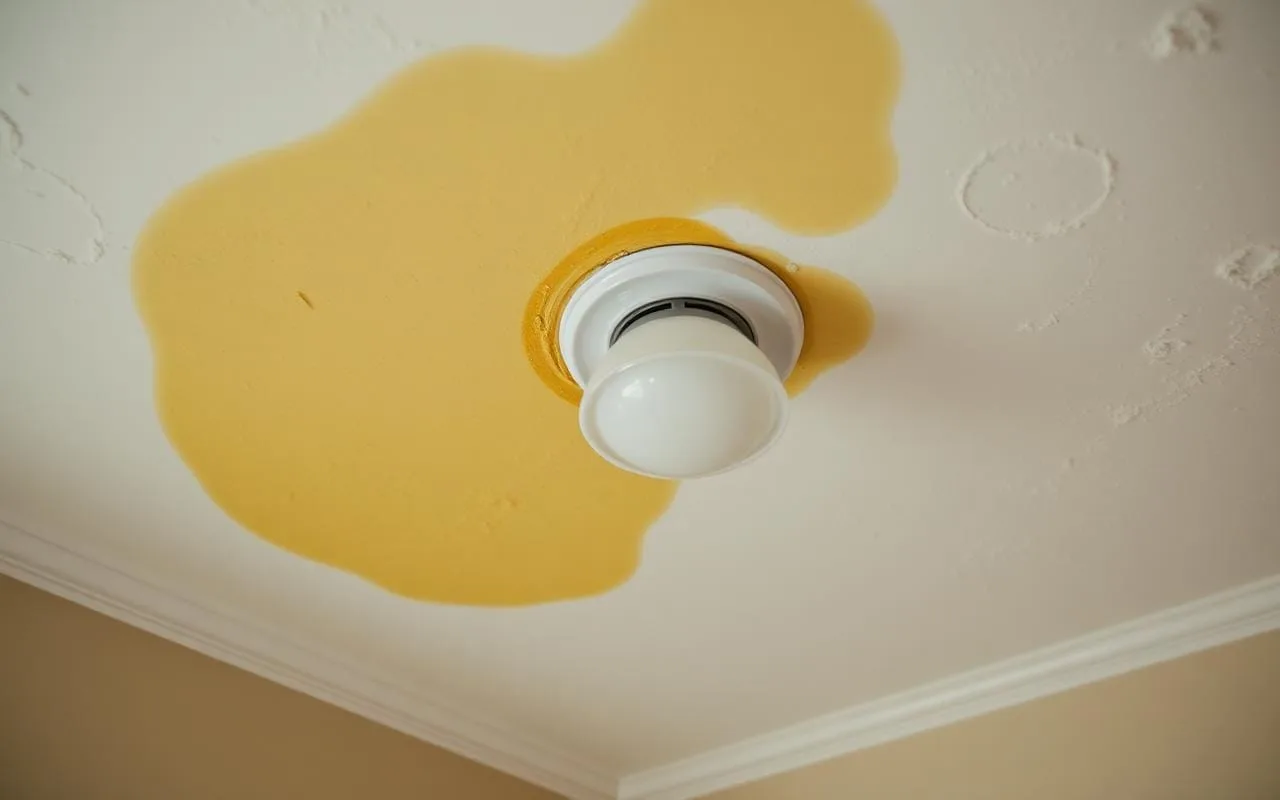
If your attic isn’t doing its job, the rest of your house will feel it. Drafts near ceiling fixtures or in top-floor rooms could mean air is leaking through your roof. A hot attic in the summer can also make your house harder to cool.

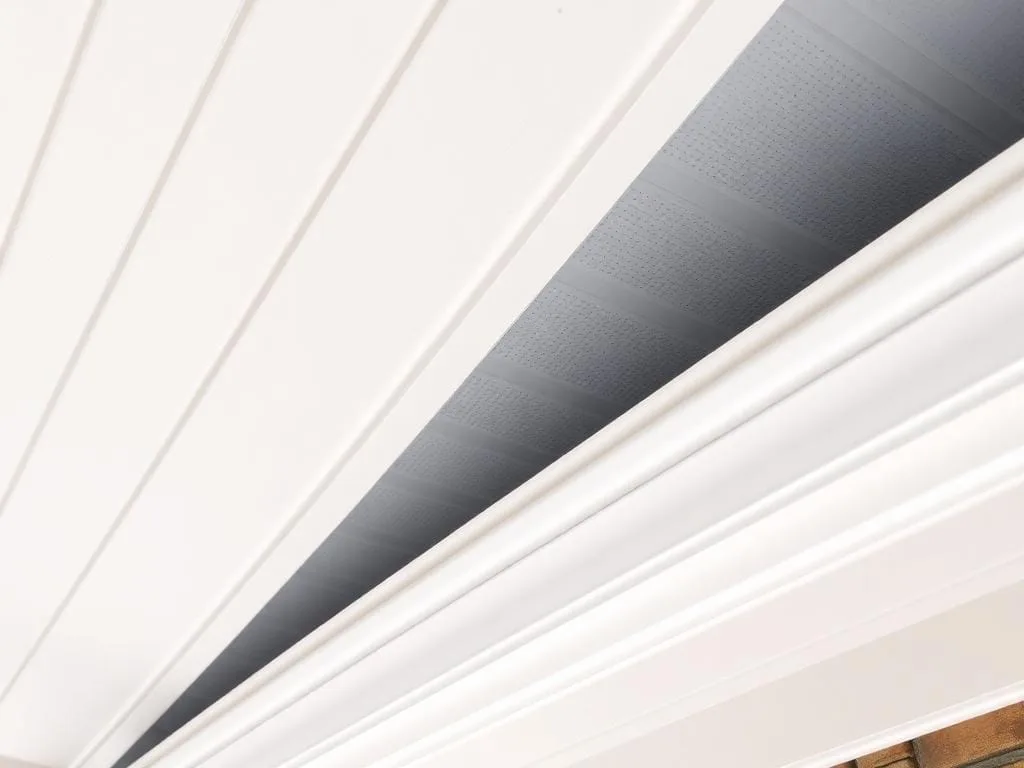
Experts recommend checking insulation and ventilation together. Heat trapped in the attic can age your shingles faster and cause moisture problems. If your vent system is old, updating your soffit ventilation might help restore airflow.

Roof Damage That Wastes Energy

Missing, Cracked, or Curling Shingles

Shingles protect your roof from the weather. If they’re missing or damaged, they can let heat escape in winter or let heat in during summer. Even small problems can impact your roof’s performance.

These issues are hard to see from the ground but are often obvious during an inspection. If your roof is in bad shape, a full replacement might be more cost-effective than constant repairs.

Damaged Flashing and Roof Penetrations

Flashing around chimneys and vents keeps these areas sealed. When it gets loose, it can let air and moisture in. Even small leaks can mess up your roof’s barrier.

These are often the first problems spotted after storms. The Federal Emergency Management Agency advises fixing weather damage quickly to prevent bigger problems. A quick repair can restore protection and efficiency if caught early.

Moisture Buildup and Mold Risk

Moisture in the attic doesn’t just hurt wood and insulation; it makes insulation less effective, too. Wet insulation performs poorly, and mold can cause more issues.

Poor ventilation is often the cause. Warm, moist air rising and getting trapped can lead to condensation and damage. If you notice musty smells or dampness, get a roof check and see if fascia repair might be needed to solve moisture issues.

Attic Insulation and Ventilation: The Hidden Energy Team

Why Insulation Matters

Insulation helps control the movement of heat between your living space and the outside. Without enough, even a good roof can let energy escape. This is especially true in older homes where insulation might be thin or settled.

Insulation acts as a barrier that slows heat transfer. In winter, it keeps heat in; in summer, it keeps heat out. If your attic insulation is outdated, pairing upgrades with window replacement might be a smart move for better efficiency.

The Role of Proper Ventilation

Ventilation controls attic temperature and moisture, preventing heat from damaging roofing materials. Good airflow also removes humidity, protecting wood and insulation from damage.

A balanced system of intake and exhaust vents is key. If one part is blocked, your energy performance can suffer. Roofers often check this balance during routine maintenance to ensure everything is working well.

Modern Roofing Upgrades That Reduce Energy Loss

Cool Roofing Materials and Reflective Coatings

Cool roofing materials are designed to reflect more sunlight and absorb less heat. This can lower roof temperatures and reduce the load on your AC during hot months.

Reflective coatings can be added to some roofs to improve performance and extend their life. According to the U.S. Department of Energy’s resources, cool roofing can make a big difference in energy use, especially in sunny areas.

Solar Panel Integration

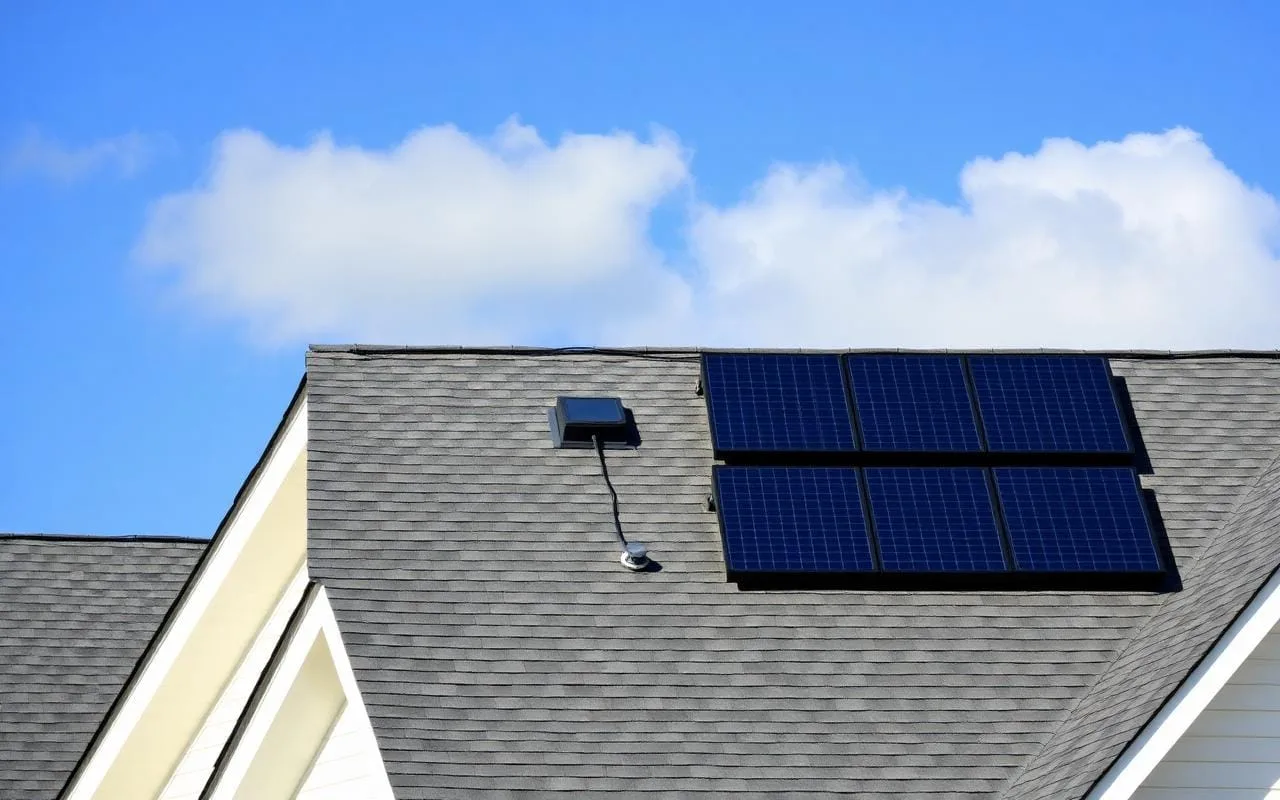
Solar-ready roofing is a great choice for homeowners looking to cut their electricity bills. Solar panels need a strong roof to support their weight and keep the weather out. If your roof is failing, it might need to be repaired or replaced before adding panels.

When done right, solar can improve home efficiency by generating clean electricity. If you’re thinking about this, plan your roof work carefully to avoid complications later.

Energy-Efficient Materials for Different Home Styles

Not all homes need the same roofing. Things like your home style, roof slope, and local climate affect what material is best. Asphalt shingles, metal, tile, and composite materials all offer different benefits.

In coastal areas, material choice should consider humidity, wind, and freeze-thaw cycles. That’s why a tailored assessment is important. To learn more, our guide to tile roofs and our article on New Jersey's weather impacts can help explain how different systems hold up over time.

Local Climate Considerations for Brick Township Homes

Cold Winters and Warm, Humid Summers

Homes in coastal New Jersey face a mix of weather. Winter can push heat out through weak roofs, while humid summers can cause attic problems. That makes energy-efficient roofing crucial for year-round comfort.

In Brick Township, a good roofing approach includes a strong thermal barrier, proper ventilation, and materials that handle seasonal changes. Think about the whole system, not just the shingles.

Storms, Salt Air, and Wear

Local weather can wear down roofs. Strong winds, rain, and salt air can corrode metal parts. Over time, these can cause small gaps that let energy escape.

After storms, check for damage. Our storm damage guide explains what to look for, and our emergency tarping article covers how to protect your roof right away if it’s damaged.

Do You Need an Inspection, Repair, or Replacement?

When a Repair Might Be Enough

If there’s just a bit of damage, like a few missing shingles or a small leak, a repair might do the trick. If the rest of the roof is in good shape, fixing it quickly can solve the problem.

Quick repairs can improve comfort and cut down on wasted energy. For urgent issues, it’s best to have a pro take a look to decide if repair or replacement is better.

When Replacement Is a Better Bet

If your roof is old, damaged everywhere, or still leaking after repairs, replacement might be smarter. A new roof can improve insulation, ventilation, and overall energy use.

Replacement is key if energy loss comes with moisture problems or visible wear. In those cases, patching might just delay the inevitable. A well-planned project can restore comfort and value while cutting waste.

Why Annual Inspections Matter

Experts suggest checking your roof at least once a year and after big storms. This can catch problems before they lead to big energy losses. A pro inspection can spot damage that’s hard to see from inside.

Regular inspections are an easy way to keep your roof efficient. They also help maintain warranties and prevent surprise repairs. If you want to learn more about roof upkeep, our roof warranties guide explains why maintenance matters.

Questions About Roof Energy Loss

How Can I Tell If My Roof Wastes Energy?

Signs include higher energy bills, uneven room temperatures, drafts, attic heat, and visible damage. Musty smells and loose shingles can also mean trouble. If you see these signs, a roof inspection could be a smart move.

What Roofing Materials Are Energy Efficient?

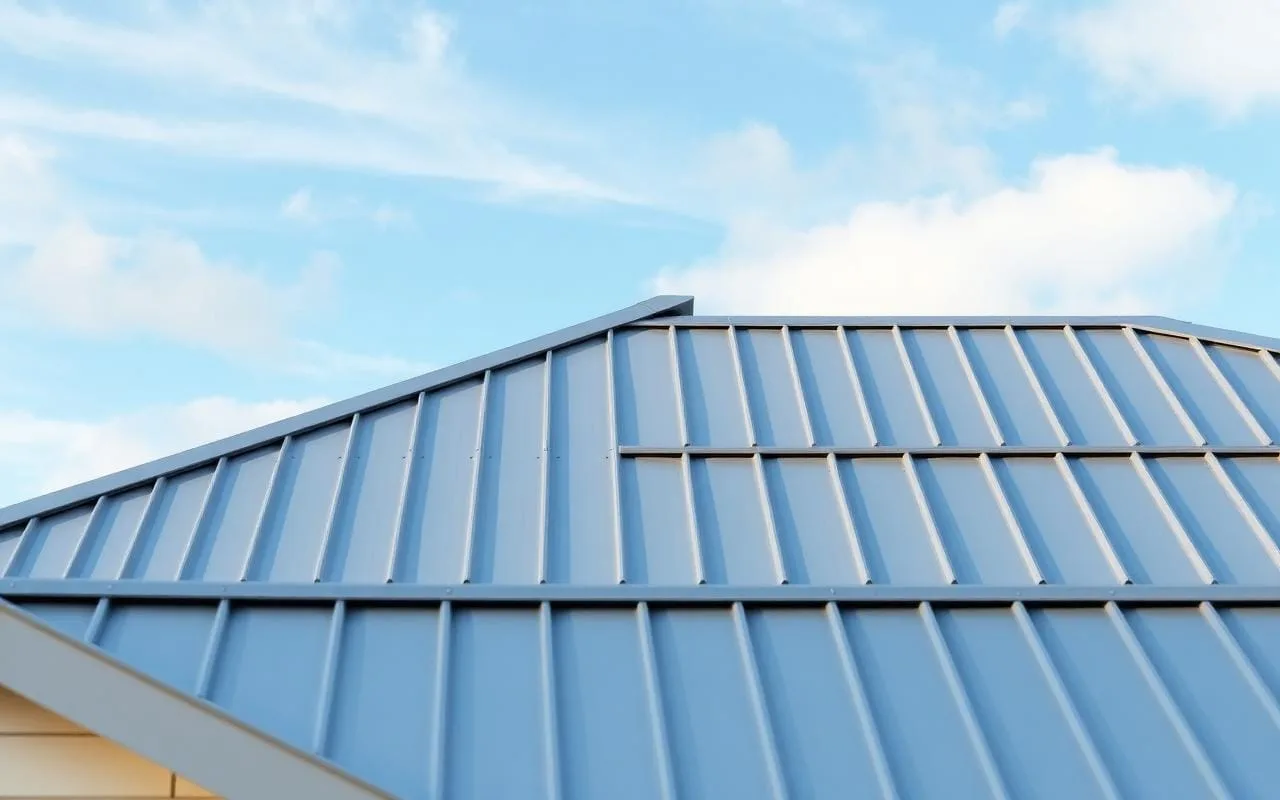
Cool roofing, reflective coatings, metal, and some advanced shingles can improve efficiency. The right choice depends on your home’s design and climate. Sometimes, insulation and ventilation upgrades are just as important.

How Often Should I Check My Roof for Problems?

A yearly check-up is a good rule of thumb, with extra checks after severe weather. Regular assessments help catch small issues before they turn into big losses. They also give you a clear idea of whether you need maintenance or replacement.

Take the Next Step Toward Better Comfort and Lower Bills

Roof energy loss might be easy to miss, but the signs are there if you know what to look for. Rising bills, uneven temps, attic moisture, and visible roof wear suggest your roof might not be doing its job efficiently. The good news? Many of these issues can be fixed with timely repairs, better insulation, or a new roof when needed.

If you’re ready to boost comfort and efficiency, start with a professional evaluation of your roof, attic, and exterior. Quality Roof Pro helps you spot issues and choose the right fix for long-term performance. Check out our gutter installation services and other solutions to support a more efficient home, or contact our team to schedule an inspection and get advice tailored to your home.

For folks in Brick Township, NJ, the best move is to tackle energy loss before it leads to structural problems or higher bills. A well-kept roof is a great way to improve comfort, protect your investment, and keep your home running smoothly all year long.

Table of Contents
About the Author
QRP

Quality Roof Pro

Article Details
March 25, 20261 min read
Category:
Roofing
Share This Article