Hearing that steady “drip, drip” from your ceiling makes any homeowner’s stomach drop. Water moves fast, ruining drywall and destroying expensive insulation before you even realize it. But here is the hard truth: most people make a big mistake in the first ten minutes. They panic and ignore the mounting water pressure right above their heads.
If you are suddenly wondering what to do if your roof is leaking, this breakdown shows you how to avoid that disaster. By the end you will know how to secure your property, limit the messy cleanup, and fix it for good.
Quick answer: If your roof just started leaking, clear furniture away from the drip zone right away. Grab a large bucket to catch the falling water, then use a screwdriver to poke a small hole in bubbling drywall to release trapped water. Once things are relatively secure inside, reach out to a professional crew for an emergency inspection.
Is It an Emergency? Safety First
Before grabbing pots and pans, look up. You need to figure out whether you are standing in a physically dangerous spot. Water wrecks structural integrity fast.
When to Evacuate the Room
Do you see the ceiling bowing deeply? Get out of the room right now. Standard drywall cannot hold hundreds of pounds of pooling water. When it gives way, the entire ceiling crashes down. Keep your kids and pets out of that space.
Turning Off the Electricity at the Breaker
Water and electricity do not mix. If the leak is dripping anywhere near a ceiling fan or wall outlet, head straight for your breaker box and flip the switch for that room. Never touch wet plugs.
9 Steps: What to Do When Your Roof Starts Leaking
Here is your immediate action plan. Follow these steps to triage the situation:
- Clear the area of valuables and furniture
- Contain the water using buckets and towels
- Relieve ceiling pressure by puncturing bulges
- Move to the attic to find the source
- Apply a temporary roof tarp safely
- Document the damage for insurance
- Dry out the interior space
- Call a professional roofing contractor
- Contact your homeowners insurance provider
1. Clear the Area of Valuables and Furniture
Get your stuff out of the splash zone fast. Push the couch into the hallway. Prioritize things water ruins instantly, like laptops or family photo albums. Got a large table you can’t move? Throw a heavy plastic drop cloth over it.
2. Contain the Water
Grab whatever you have (a large bucket, a deep pot, or a plastic bin) and put it directly under the drip.
Expert insight: Drop a folded towel into the bottom of the bucket. It stops that annoying dripping sound and keeps water from splashing out as the bucket fills.
3. Relieve Ceiling Pressure
This is where homeowners mess up. If water pools behind your paint, it creates a bubble. Grab a screwdriver and poke a hole right in the center of that bulge. Letting the water drain into your bucket relieves the pressure and prevents a total drywall collapse.
4. Move to the Attic to Find the Source
Grab a flashlight and head upstairs. Step only on the wooden joists. If you step on the drywall, you’ll fall through into your living room. Look for soggy insulation or dark streaks on the wood.
5. Apply a Temporary Roof Tarp
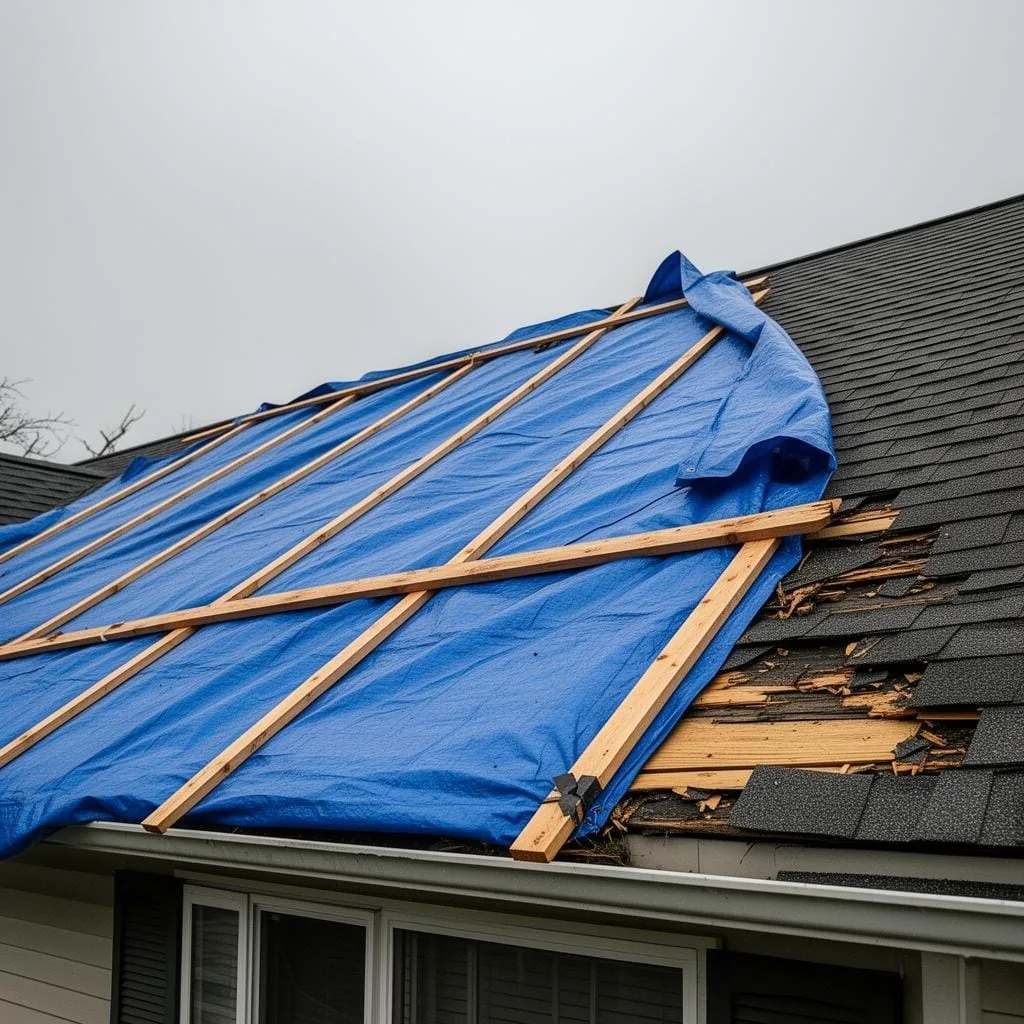
If the storm passes and it’s safe outside, throw a tarp over the damaged roof section. Stretch it tight and nail it down.
Common mistake: Never climb a wet, slippery roof while it’s still raining. Wait for the weather to clear.
6. Document the Damage for Insurance
Before cleaning up the mess, pull out your phone. Take plenty of photos and videos showing the active drip, ruined drywall, and damaged furniture. Your adjuster needs to see this.
7. Dry Out the Interior Space
Once the dripping stops, dry the room out fast to fight off mold. Turn on box fans and plug in a dehumidifier. Moving fast here is a huge part of the water damage restoration process.
8. Call a Professional Roofing Contractor
Duct tape doesn’t last forever. You need a reputable local roof leak repair crew that knows how to handle storm recovery. Look for a team offering emergency dispatch, and don’t settle for quick patch jobs.
9. Contact Your Homeowners Insurance Provider
Give your agent a call. Share the video evidence you took and explain how you mitigated the damage. They’ll get a claim started immediately.
How to Find the True Source of a Roof Leak
Tracking down a leak feels like solving a puzzle. The exterior hole almost never lines up perfectly with the wet spot on your ceiling.
Why Leaks Rarely Align with the Ceiling Stain
Water is lazy; it takes the easiest path down. It slips under a shingle, hits the underlayment, and runs down the slope of your rafters. It might travel twelve feet horizontally before finally dropping onto your insulation. Tracing a leak from the inside out drives people crazy.
Inspecting Flashing, Missing Shingles, and Vent Boots
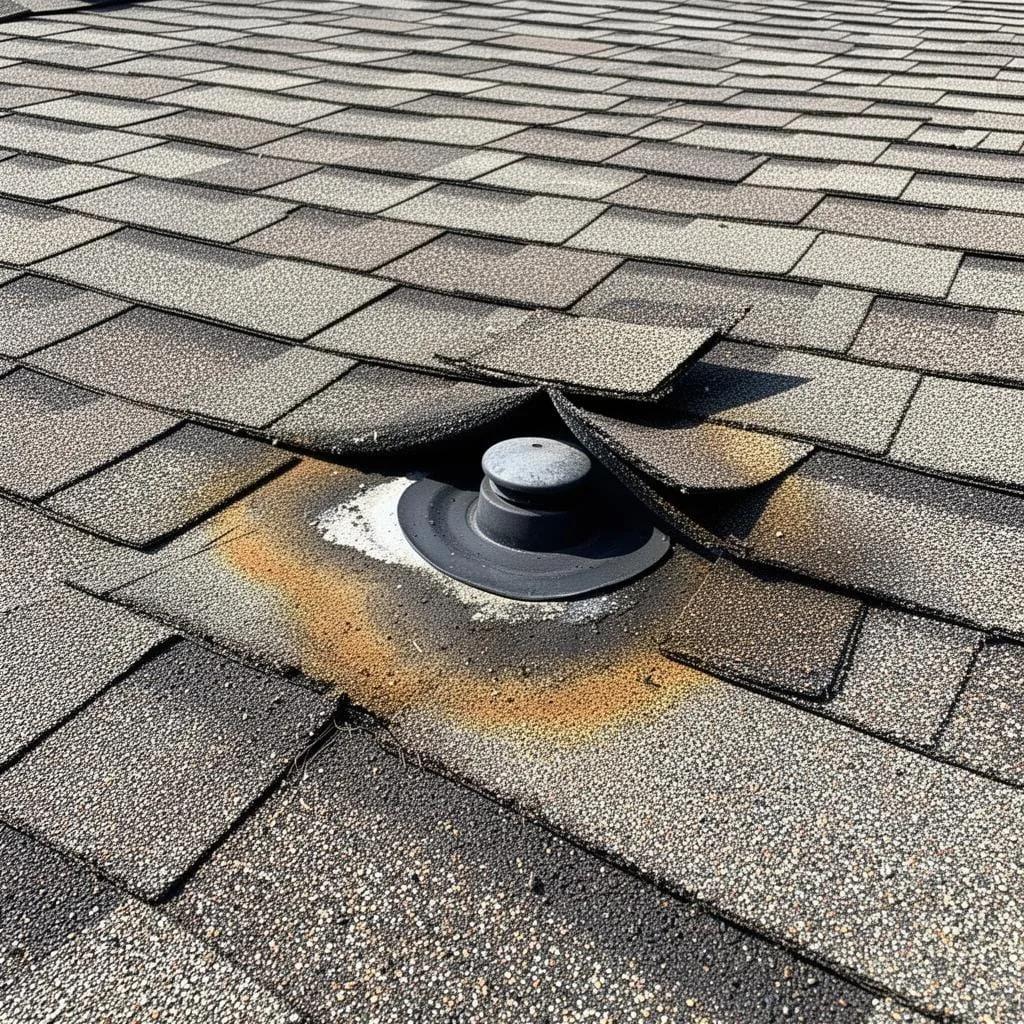
When assessing a roof, always check the usual suspects first. Metal flashing around chimneys fails all the time. Next up are the rubber boots around plumbing pipes sticking out of the roof; the sun bakes them until they crack. Finally, look for bald spots where shingles blew off.
Why Trust Quality Roof Pros with Your Roof?
When water pours into your living room, you need neighbors you can count on. Quality Roof Pros have spent years handling severe storm damage for families right here in our community. We aren’t storm chasers; we are licensed, insured local experts who do the job right the first time, so our repairs actually last.
Our approach is different. We focus on securing your home first, rather than aggressively selling a new roof on day one. After helping hundreds of homeowners recover from brutal weather, we’ve built a reputation for giving honest advice, fair pricing, and doing the job right.
Temporary Fixes vs. Permanent Roof Repair
There is a huge difference between stopping a leak today and fixing a roof for good.
| Fix type | Lifespan | Cost range | Effectiveness |
|---|---|---|---|
| Roof tarp | 30 to 90 days | Low | High (temporary) |
| Roofing cement | 1 to 3 years | Low | Medium |
| Full replacement | 15+ years | Medium-High | Very high |
The Dangers of Relying on Roofing Cement or Tarps Long-Term
Tarps shred in the wind. Roofing cement hardens and cracks. If you rely on these band-aids too long, water slowly seeps in undetected. By the time you notice it again, you’re dealing with rotten wood rafters and toxic black mold in your attic.
When a Full Roof Replacement Makes More Sense
If your asphalt shingles are over twenty years old, patching a tiny leak is throwing money away. Old shingles get stiff and brittle, and walking on them usually breaks three other nearby shingles. In those situations, tearing it all off is the smartest financial move. Our guide to roof repair vs. replacement helps you decide which side of that line you’re on.
Conclusion
Dealing with a leaking roof is stressful. But if you take control early, you stop a bad situation from turning into a total nightmare. By moving valuables, catching the water, and poking that crucial hole in the ceiling, you save your interior from massive destruction.
Once the panic is over, don’t wait for the next rainstorm. Bring in a trusted local roofer to inspect the decking, track down hidden damage, and install a permanent fix. Protect your home by acting today, or call (732) 770-3867.
Frequently Asked Questions
What should you do first when your roof starts leaking?
Move your valuables out of the way, put a large bucket under the drip, and use a screwdriver to carefully puncture any bubbling drywall to stop a ceiling collapse.
Is a leaking roof covered by homeowners insurance?
Usually, yes, if the damage came from a sudden storm. If the leak happened because the roof is aged, they will likely deny the claim.
Can a small roof leak cause major damage?
Absolutely. Even a tiny drip ruins insulation, rots structural wood joists, and creates the perfect dark environment for toxic black mold to spread inside your walls.
How do you temporarily stop a roof leak during rain?
You really can’t safely fix a roof while it is raining. Stay inside, catch the dripping water in buckets, relieve the ceiling pressure, and wait for the weather to clear.
How much does it cost to fix a leaking roof?
Minor shingle repairs run about $200, while fixing severe, hidden wood rot can cost a few thousand. It depends entirely on the underlying structural damage.
Who do I call to fix a roof leak?
Hire a licensed, local roofing contractor. General handymen often use cheap patches that void your manufacturer warranty and ignore dangerous structural rot.
How long does a house take to dry out after a leak?
Usually 24 to 48 hours. You cannot let it air dry naturally. You must run heavy-duty box fans and dehumidifiers immediately to prevent black mold.
Will a roof leak actually cause my ceiling to collapse?
Yes. Soaked drywall is incredibly heavy. If you don’t poke a small drain hole in the bubbling paint, the trapped water weight will pull the ceiling down.
How do professionals find hidden roof leaks?
Pros use infrared thermal imaging cameras and digital moisture meters. This lets them track the exact water path inside your walls without tearing down your drywall.
Can I just smear roofing cement over the leak?
No. Roofing cement is a temporary band-aid. It hardens and cracks in the sun, letting water sneak right back in to silently rot your wood framing.