The Ultimate Guide to Sustainable Roofing Materials for Brick Township Homes
Homeowners in Brick Township, New Jersey, are increasingly turning to sustainable roofing materials as a green choice that not only benefits the environment but also enhances energy efficiency and offers long-term cost savings. Let’s explore the latest trends, expert insights, and practical applications of these materials.
Latest Trends in Sustainable Roofing
Several sustainable roofing options have gained traction in recent years:
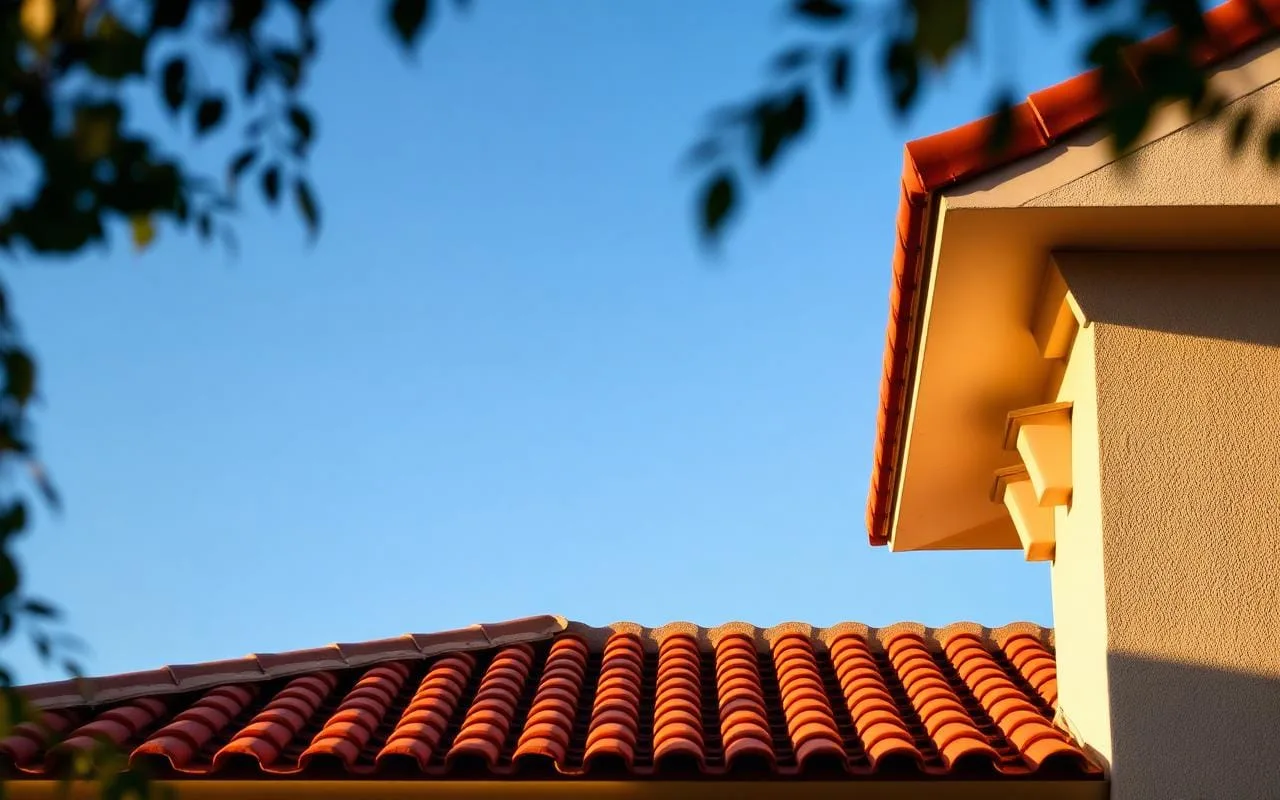
- Cool Roofs: These roofs reflect more sunlight and absorb less heat, helping to keep indoor temperatures lower. They can reduce indoor temperatures by up to 10°F during summer and cut heating costs by up to 25% in winter. Learn more about cool roofs.
- Green Roofs: Also known as living roofs, these systems involve planting vegetation over a waterproof membrane. They provide natural insulation, reduce stormwater runoff, and improve air quality. Green roofs can lower indoor temperatures similarly to cool roofs. Discover the benefits of green roofs.
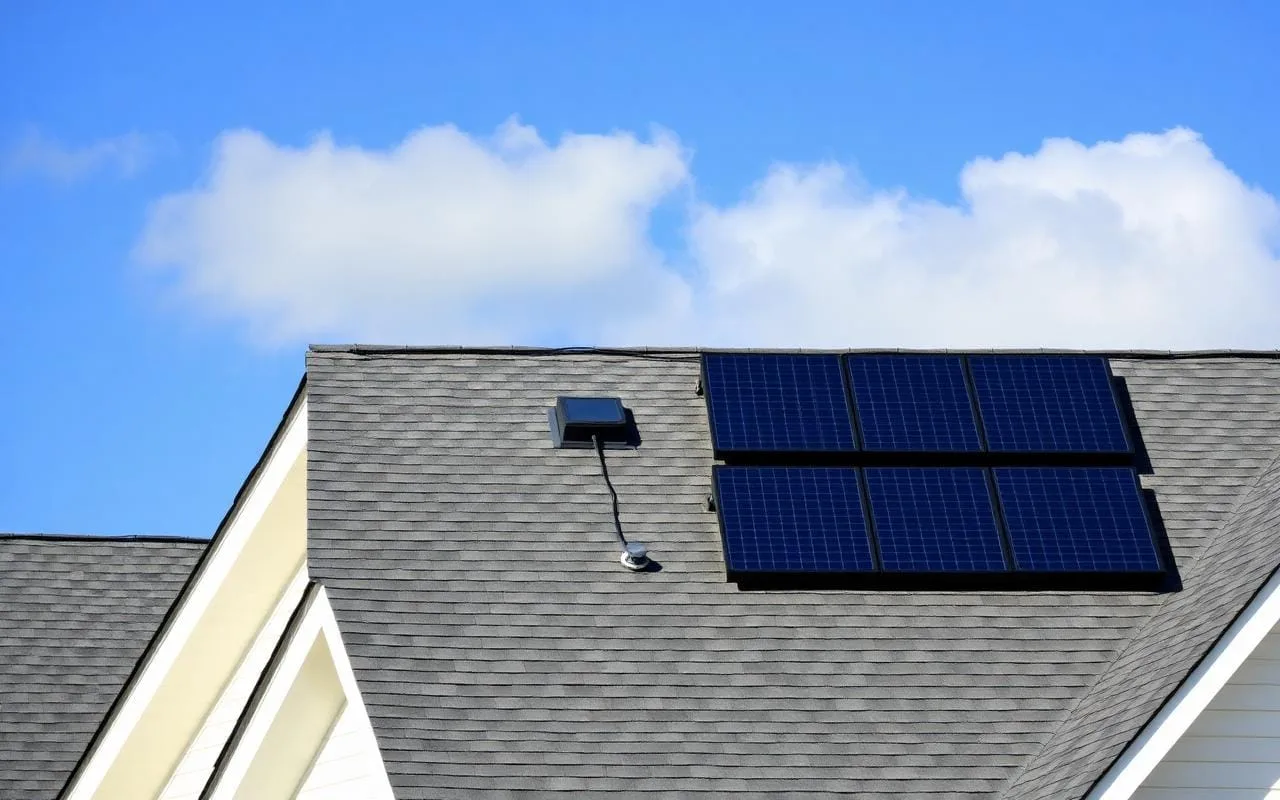
- Solar-Integrated Roofing: This option integrates solar panels into roofing systems, generating renewable energy while reducing electricity bills. In New Jersey, state incentives make solar roofs a viable choice for homeowners. Read more about solar roofs.
Expert Insights on Sustainable Materials
Experts recommend selecting roofing materials that align with environmental goals and local climate. For instance, cool roofs are especially effective in urban areas like Brick Township, where they help combat the urban heat island effect. Integrating solar panels into roofing systems not only offers energy savings but also supports New Jersey's renewable energy targets.
Statistics That Matter
Here are some compelling statistics regarding sustainable roofing:
- Green roofs can reduce rooftop surface temperatures by an average of 30°C during summer, significantly lessening urban heat effects. Find out more about green roofs.
- Cool roofing materials can decrease air conditioning costs by up to 20%. Explore more statistics.
- Solar-integrated roofing systems can generate 60-80% of a building's electrical needs, pushing sustainable building goals forward. Learn about solar energy generation.
Common Questions and Concerns
Cost
While the initial investment in sustainable roofing materials may be higher, the long-term savings through energy efficiency and durability can make it worthwhile.
Maintenance
Green roofs require regular maintenance to ensure plant health and structural integrity, which homeowners should consider.
Installation
Proper installation is critical for the effectiveness of these systems. Consulting certified professionals is advisable to ensure quality work.
Real-World Examples
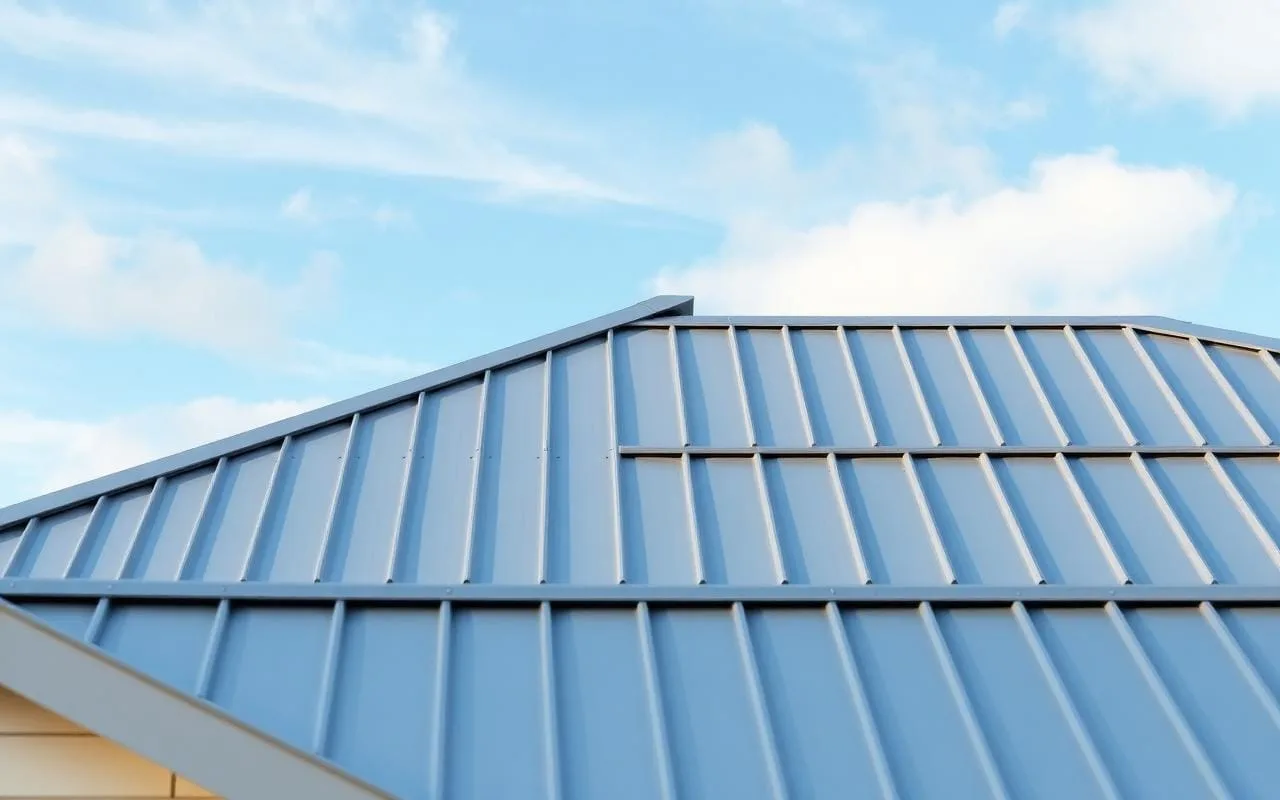
A noteworthy example is the Net Zero Home in Piscataway, New Jersey, which features a metal roof made from 25% recycled material and a solar system that generates over 31 kilowatts. This case shows how sustainable roofing can be successfully implemented. Read about this impressive home.
Local Relevance for Brick Township
Implementing sustainable roofing materials in Brick Township can help mitigate the urban heat island effect, lower energy consumption, and promote environmental conservation. Homeowners can take advantage of state incentives for renewable energy installations, making green roofing options more accessible.
Conclusion and Call to Action
By choosing sustainable roofing materials, homeowners in Brick Township can significantly improve their homes' energy efficiency while contributing to environmental conservation. If you're considering a roofing project, don’t hesitate to reach out to us at Quality Roof Pro. We offer professional roof installation, roof replacement, and emergency roof repair services. Contact us at (732) 770-3867 or visit our website at Quality Roof Pro for more information.