Available 24/7

The Definitive Guide: Why Tile Roofs Remain One of the Most Durable Options for Homes

Published March 5, 2026 by Quality Roof Pro

Roofing
The Definitive Guide: Why Tile Roofs Remain One of the Most Durable Options for Homes
Table of Contents

The Definitive Guide: Why Tile Roofs Remain One of the Most Durable Options for Homes

Tile roofs have been around for centuries, and there's a good reason homeowners keep choosing them: they look great and last a long time. In this guide, you'll see why tile roofing still beats many other options, how it can save you energy, and what you need to know if you live in areas with coastal weather. We’ll discuss how to install and maintain them, how they hold up in rough weather, and share real-world examples that show why tile is a smart long-term choice. If you’re thinking about a solid option for your home, this article will give you the info you need to decide.

Interested in checking out professional tile roof options? Our team at Quality Roof Pro can help ensure your tile roof is installed right and lasts as it should. Throughout this guide, we’ll refer to industry research and practical examples to help you understand not just the what, but the how and why behind tile roof durability.

Why Tile Roofs Are So Tough

Materials and Manufacturing: The Strength of Clay and Concrete

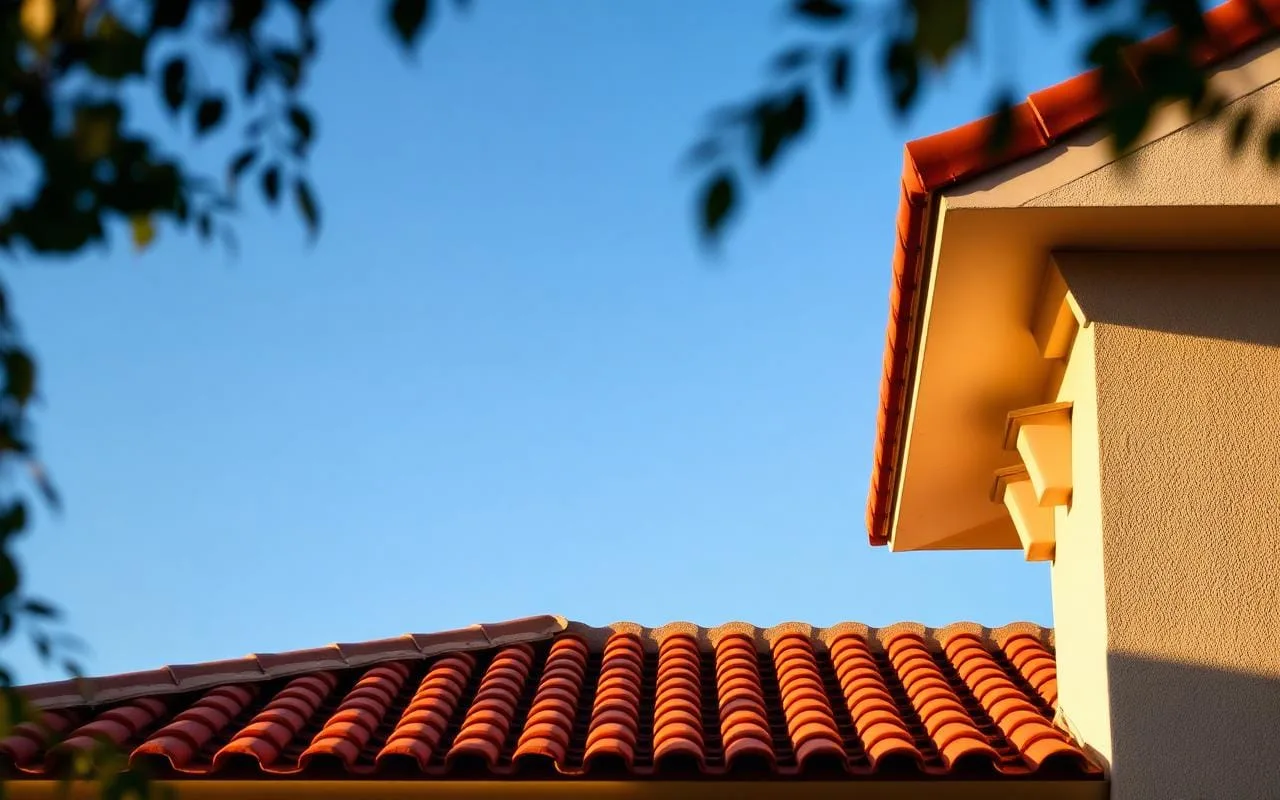
Tile roofs are usually made from clay or concrete, both known for their durability. Clay tiles are baked at high temperatures, making them dense and resistant to weather, UV rays, and cracking if installed properly. Concrete tiles are molded and hardened to become strong and dense. Modern concrete even has additives that help it resist freezing and keep its color longer. Both materials resist rot and insect damage, common problems with organic roofing materials, and stand strong for decades.

Manufacturers often apply glazes or coatings to these tiles to help them keep their color and shed water better. This makes them attractive for homeowners looking for low maintenance even though they cost more initially.

Design Features That Handle Heat and Moisture

Tile roofs aren’t just single pieces of material; they’re part of a layered system. The tiles' curved or interlocking shapes create natural airspace between the tile and roof deck, reducing direct heat into the attic. This built-in ventilation lowers cooling needs in hot weather and helps manage condensation in tightly sealed roofs. The way they're spaced and overlap also prevents water from getting in easily, so even if a tile cracks, the system can still keep water out until repairs can be made.

The weight of the tile also helps slow down temperature changes and evens out heating and cooling peaks, boosting your home's energy efficiency.

Fire and Impact Resistance

Most tile roofs have a Class A fire rating, the highest for roofing materials, meaning they resist fire and embers well. This can lower wildfire risks and often helps with homeowner insurance in fire-prone areas. Tile’s density makes it tougher against hail compared to lighter roofing materials, and when installed right, they can withstand hailstones and debris that would damage other roofs.

No roof is completely damage-proof, but tile’s performance in fire and impact scenarios is a big reason for its reputation for durability and safety.

Latest Trends and Research Backing Tile Roof Performance

Energy Efficiency and Research Results

Recent studies highlight the energy-saving qualities of tile roofs. The Tile Roofing Industry Alliance (TRIA) has released studies showing how the natural airspace in tile roofs and certain finishes reduce heat transfer, lowering cooling needs during summer and saving energy over time. For those looking to cut utility bills and reduce their environmental impact, tile roofs are a proven way to improve home thermal performance.

TRIA’s research is accessible to both roofing professionals and homeowners. To read more about their energy research, check out TRIA energy research. This is part of a trend toward understanding how roofing choices affect overall home energy use.

Cool Roof Technologies and Eco-Friendly Options

Tile roofing manufacturers now provide glazed and reflective finishes that fit with cool-roof strategies. Reflective coatings and lighter colors increase solar reflectance, reducing roof surface temperatures. This follows recommendations from energy agencies to select roofing materials that absorb less heat, cutting cooling needs and reducing urban heat effects. For more on cool roof benefits, government resources offer practical insights: Energy.gov on cool roofs.

These finishes combine the durability of tile with modern eco-friendly trends, making tile a great choice for eco-conscious homeowners and developers.

Training and Installation Standards

Research and better materials tell part of the story. Industry groups like TRIA also stress quality installation and standardized training. Proper fastening, underlayment choice, flashing details, and following building codes are crucial to getting the full lifespan benefits of tile roofs. TRIA offers detailed installation manuals and training programs so roofing contractors can install systems that meet expected standards and local codes. Using trained pros significantly reduces the risk of early failures and performance issues.

Hiring certified installers is a simple way homeowners can protect their investment in a tile roof and meet warranty and insurance needs.

Best Installation Practices to Maximize Roof Longevity

Checking Structure and Load Capacity

Tile roofs weigh more than many other roofing materials and might need extra support. Before choosing tile, a qualified contractor should check if rafters, beams, and the roof deck can handle the load of the tile plus any roof-mounted gear. Sometimes, reinforcement is needed to ensure long-term safety. Skipping this step can lead to sagging roofs, faster wear, or costly fixes later.

In places like Brick Township, where older homes might not be built for heavy roofing, a structural review is crucial before installing tile.

Underlayment, Flashing, and Waterproofing

The visible parts of a tile roof sit on hidden layers that manage moisture and offer backup protection. High-quality underlayment, proper flashing around penetrations, and well-installed drip edges are key to preventing leaks. These components act as the first defense if tiles get displaced in a storm or crack over time. Picking underlayments with good vapor permeability and water-shedding ability extends the roof’s life and prevents common issues like deck rot or interior water damage.

Contractors should also follow manufacturer-recommended fastener patterns and underlayment overlaps to maintain warranty and performance expectations.

Certified Installation and Trained Contractors

Since installation quality affects lifespan, homeowners should hire contractors trained in tile-specific installation techniques. TRIA’s certification and training programs cover the nuances that make a long-lasting tile roof different from one with early issues. Certified installers know wind-rated attachment methods, proper attachment techniques, and the role of secondary water barriers in preventing leaks during extreme weather. Choosing a certified installer reduces risk and helps ensure your tile roof lasts as long as expected.

If you need professional installation with a focus on quality, consider scheduling a consultation with our team to discuss tile options and compliance: roof replacement services at Quality Roof Pro meet modern standards and local codes.

Handling Severe Weather: Wind, Hail, and Storms

Wind Resistance in Hurricane Areas

Properly installed tile roofs can be designed to withstand high winds; many tile systems are rated for up to 150 MPH when installed to manufacturer and code standards. In hurricane areas, following uplift-resistant attachment patterns, reinforced underlayment, and secure flashing details are essential. History shows that in coastal states, tile roofs can survive hurricane-force winds when installed to current standards, though installations that skip best practices may fail early.

For homeowners in storm-prone areas, it's important to ensure the chosen tile profile, fasteners, and installation methods meet local wind load ratings and that the contractor documents compliance for insurance and permits.

Hail Resistance and What to Consider

Tile is generally tougher against hail than many lightweight roofs, but impact performance depends on tile type, thickness, and support. Concrete tiles often handle larger hail impacts better than thinner clay tiles, but glazed clay might compete depending on manufacturing standards. In areas with severe hail, check product impact ratings and consider reinforced options or hybrid systems for protection while keeping aesthetics.

Insurance companies often view tile roofs favorably in hail-prone areas, but it’s crucial to verify how a specific product performs under local conditions.

Real-World Case Study: Coastal Performance Lessons

Real-world cases show both success and failure. In Florida and other Gulf states, many tile roofs have survived major hurricanes when installed according to guidelines; roofs without proper fastening or underlayment have failed under similar loads. These examples prove that material choice matters, but installation quality ultimately decides performance. Studies and post-storm investigations stress the importance of following manufacturer recommendations and local codes.

For storm guidance and reconstruction after events, FEMA resources offer practical checklists and safety tips: FEMA.

Maintenance, Inspection, and Fixing Issues

Regular Inspection Checklist

Though tile roofs need less maintenance than some alternatives, they aren’t maintenance-free. A regular inspection every 6 to 12 months and after major storms should check for cracked, displaced, or missing tiles; examine flashings around chimneys, skylights, and vents; and ensure gutters and downspouts are clear. Checking attics for moisture, mold, or light can catch problems early. Regular inspections extend lifespan and provide peace of mind.

For those who prefer professional assessments, scheduling regular maintenance with a qualified contractor ensures issues are found and addressed early. If you see water stains or sagging, act fast and consult a pro to avoid more damage.

Common Problems and Repairs

Typical issues include cracked tiles, displaced ridges, and compromised flashing around roof penetrations. Cracked tiles can often be fixed by replacing them, while flashing issues might need more attention to restore a continuous water barrier. In cases of multiple tile failures or structural concerns, a partial re-roof or full replacement might be needed for long-term reliability.

For urgent leaks or storm damage, our emergency team can stabilize the roof and prevent interior damage: emergency roof repair services offer immediate protection and a plan for permanent repair.

Long-Term Maintenance

Long-term care includes keeping roof valleys and gutters clean, trimming overhanging tree limbs that might drop branches or shade large areas (which can cause moss growth), and addressing small issues quickly. Using the right sealants or underlayment repair when needed, can prevent water from getting in and damaging the deck. Keeping records of all inspections and repairs helps maintain warranty coverage and offers a clear maintenance history for future owners or insurers.

Being proactive about maintenance is a cost-effective way to ensure a tile roof's long life and preserve its energy-saving benefits.

Cost Considerations and Return on Investment

Initial Costs vs. Long-Term Value

Tile roofs often cost more upfront than asphalt shingles and many metal options due to material costs and the specialized labor needed. But tile’s long lifespan, often 50 years or more with the right care, can offset the initial expense through fewer replacements, better energy performance, and higher resale value. Homeowners planning to stay in their homes for the long haul often find tile roofs a smart investment.

Financial planning should consider both direct savings from energy reduction and avoided costs from fewer major replacements over decades.

Insurance, Warranties, and Incentives

Many insurance providers recognize the durability and fire resistance of tile roofs and might offer lower premiums in some areas. Plus, manufacturer warranties and installation guarantees protect homeowners from certain defects when certified installers are used. In some places, energy-saving roofing upgrades may qualify for incentives or tax adjustments, so it's a good idea to check local programs and talk to your roofing pro about documentation and certifications that support claims for incentives.

Confirm warranty conditions and insurance requirements before choosing a tile product to ensure coverage meets your needs.

Cost Scenarios and Payback

Consider a scenario: a homeowner replacing an asphalt roof every 20 years versus installing a tile roof with a 50+ year lifespan. Over 50 years, the tile roof may need fewer major replacements and lower cumulative material and labor costs, especially when factoring in energy savings. While every case is unique, and climate, local costs, and energy prices vary, long-term modeling often shows a favorable payback for tile when longevity and reduced maintenance are included.

Work with a trusted contractor to run customized lifecycle cost analyses for your property to make a data-driven choice aligned with long-term goals.

Choosing the Best Tile System for Your Home

Comparing Clay, Concrete, and Synthetic Tiles

Clay tiles offer classic looks and proven durability; they are often preferred for Mediterranean, Spanish, and historic-style homes. Concrete tiles are versatile, generally more affordable, and available in various profiles and colors. Synthetic tiles (composite materials) are lighter and can mimic clay or slate while offering easier handling and sometimes better impact resistance. Each material has pros and cons in weight, cost, and aesthetic options, so choose based on the home’s structural capacity, style, and budget.

Check product datasheets for performance metrics such as freeze-thaw resistance, impact rating, and warranty terms to make an informed selection.

Profiles, Colors, and Local Code Compatibility

Tile profiles from flat interlocking tiles to barrel tiles- affect visual character and performance. Color choice influences thermal behavior; lighter colors reflect more sunlight and can improve cooling performance, while darker colors absorb heat. Local building codes and historic district guidelines may restrict profiles or colors, so check compatibility before finalizing selections. In coastal areas and places with strict wind codes, certain profiles and attachment methods might be required to meet insurance and code mandates.

A knowledgeable contractor will help choose tile profiles and finishes that match both aesthetic goals and regulatory requirements.

Weight Management and Retrofit Options

If a home can’t support the weight of traditional tile without structural upgrades, consider lighter tile alternatives or engineered retrofit solutions. Synthetic tiles provide a lower-weight option while maintaining a tile look, and some lightweight concrete formulations reduce load without compromising performance. Structural reinforcement, like strengthening rafters or adding support beams, is another option when homeowners want authentic clay or concrete tiles but need more capacity. A licensed structural engineer can provide calculations and specifications for safe retrofits.

When in doubt, get a professional inspection to avoid costly surprises during installation.

Tile Roofing in Brick Township, New Jersey

Climate and Coastal Conditions

Brick Township and the nearby New Jersey coast face a mix of coastal storms, freeze-thaw cycles, and seasonal humidity. These conditions make tile roofing both appealing and challenging. Tile’s wind and hail resistance, plus its fire rating and long life, are benefits in this environment. But homeowners must consider the effects of salt-laden air on metal flashings and fasteners and ensure corrosion-resistant materials are specified to avoid early wear.

Working with local contractors who understand Brick Township’s climate and code requirements helps tailor roofing choices and materials to the specific exposure risks of the area.

Permitting, Historic Districts, and Neighborhood Aesthetics

Some neighborhoods have design review boards or historic districts that regulate roof materials and visible colors. Before investing in tile, homeowners should confirm local permitting requirements and whether tile profiles and colors are acceptable. Local permitting offices can provide checklists and documentation requirements to streamline approvals. Quality Roof Pro helps guide homeowners through permit-ready documentation and code compliance to avoid delays.

For homeowners preparing for a tile installation in Brick Township, including necessary paperwork and structural assessments in the planning phase, reduces surprises during permit review.

Choosing the Right Local Contractor

Choose a contractor with proven experience installing tile roofs in the area. Local experience means the crew understands wind ratings, salt corrosion strategies, and how to manage seasonal scheduling for optimal installation conditions. Ask for references, view portfolios of local work, and verify training or certification from industry groups to ensure your installer follows current best practices.

If you’d like a local assessment, our team at Quality Roof Pro provides on-site consultations tailored to Brick Township homes and climate considerations. Reach out to schedule an inspection.

Common Questions: Expert Answers

How long will a tile roof last?

With proper installation and routine maintenance, tile roofs commonly last 50 years or more, with many installations functioning well beyond that benchmark. Longevity depends on material quality, installation standards, environmental exposure, and maintenance frequency. Choosing a certified installer and following recommended maintenance schedules will maximize lifespan and protect your investment.

Are tile roofs worth the extra cost?

For many homeowners, yes. The higher upfront cost of a tile roof is offset by longer service life, energy savings, and reduced replacement frequency. Additionally, tile roofs often improve curb appeal and resale value. Homeowners should run a lifecycle cost comparison that includes expected maintenance, energy savings, and replacement cycles to determine whether tile fits their financial goals.

Do tile roofs leak more than other roofs?

No. When properly installed with appropriate underlayment and flashing, tile roofs are excellent at shedding water. The key distinction is that tile functions as a primary weather barrier while the underlayment and flashing provide secondary protection. Most leaks occur when flashing or underlayment is improperly installed or when tiles are displaced or cracked and left unrepaired. Prompt inspection and repair are essential to prevent water intrusion.

What about weight can my home support tile?

Tile is heavier than many options. A structural assessment before installation will determine whether the existing framing needs reinforcement. Many homes can accept tile with minor upgrades; others may be better suited to lighter synthetic tile products. A professional evaluation provides clarity and budgetary guidance for any necessary structural work.

Wrapping Up: Choosing Long-Term Protection

Tile roofs remain one of the most durable options for homes because of their robust materials, fire and impact resistance, energy-saving properties, and proven long-term performance when installed and maintained correctly. Recent industry research and evolving cool-roof technologies have reinforced tile’s role in sustainable roofing strategies. The decisive factors for success are careful product selection, certified installation, and ongoing maintenance to protect the roof system’s integrity over decades.

If you’re considering tile roofing for your home and want professional guidance, Quality Roof Pro can provide a detailed assessment, structural review, and installation quote tailored to your needs. Whether you’re preparing for a full replacement or need emergency stabilization after storm damage, our services are designed to protect your home and maximize the life of your roof. Learn more about our services and how we can help: reliable roof replacement, gutter installation, and emergency roof repair are available to Brick Township homeowners.

Contact Quality Roof Pro today at (732) 770-3867 or email info@qualityroofpro.com to schedule a consultation. Protect your investment with experienced professionals who prioritize proper installation, compliance with industry best practices, and long-term performance.

Resources You Can Trust

For more in-depth guidance and research, check out the Tile Roofing Industry Alliance resources and published installation manuals, which provide technical installation details and energy research for tile systems: Tile Roofing Industry Alliance. For government guidance on cool-roof strategies and energy-efficient building choices, see the Department of Energy’s consumer advice: Energy.gov - Cool Roofs. After major storms or for coastal construction best practices and recovery guidance, FEMA’s resources provide practical safety and reconstruction steps: FEMA.

These reliable sources, along with local expertise, will help homeowners make informed decisions about tile roofs and design choices that deliver durability, energy performance, and long-term value.

Take Action: Ready to explore tile roofing options? Request an on-site inspection from Quality Roof Pro. Our local team in Brick Township will review structural needs, suggest materials, and explain maintenance plans to ensure your tile roof delivers top performance. Schedule your evaluation today and start your journey to a durable, energy-efficient roof that stands the test of time.

Table of Contents
About the Author
QRP

Quality Roof Pro

Article Details
March 5, 202616 min read
Category:
Roofing
Share This Article