Quick answer: The primary difference between replacement windows and new windows comes down to the frame. New construction windows have a nailing fin that attaches directly to bare wall studs, requiring you to remove exterior siding. Replacement windows are designed to slide right into your existing, intact window frames, saving time and leaving your siding completely untouched.
Why Window Choice Makes or Breaks Your Renovation
Pick the wrong window style, and your renovation budget is going to blow up before the crew even unloads their trucks. We’ve seen homeowners walk into big box stores, grab a beautiful double-hung vinyl unit, and assume it will pop right into their wall. Unfortunately, it doesn’t work that way. Your home’s underlying structure dictates exactly what you can and cannot use.
If you don’t understand the difference between replacement windows and new windows, you risk paying double for labor or, worse, trapping hidden rainwater inside your walls. We’ve pulled out enough rotted 1980s sashes to know that slapping a quick fix over bad framing is a recipe for disaster. This guide breaks down the real-world differences, the true costs, and the labor realities so you know exactly which option fits your home.
What Are Replacement Windows? (Retrofit Windows Explained)
Definition and Anatomy of a Replacement Window
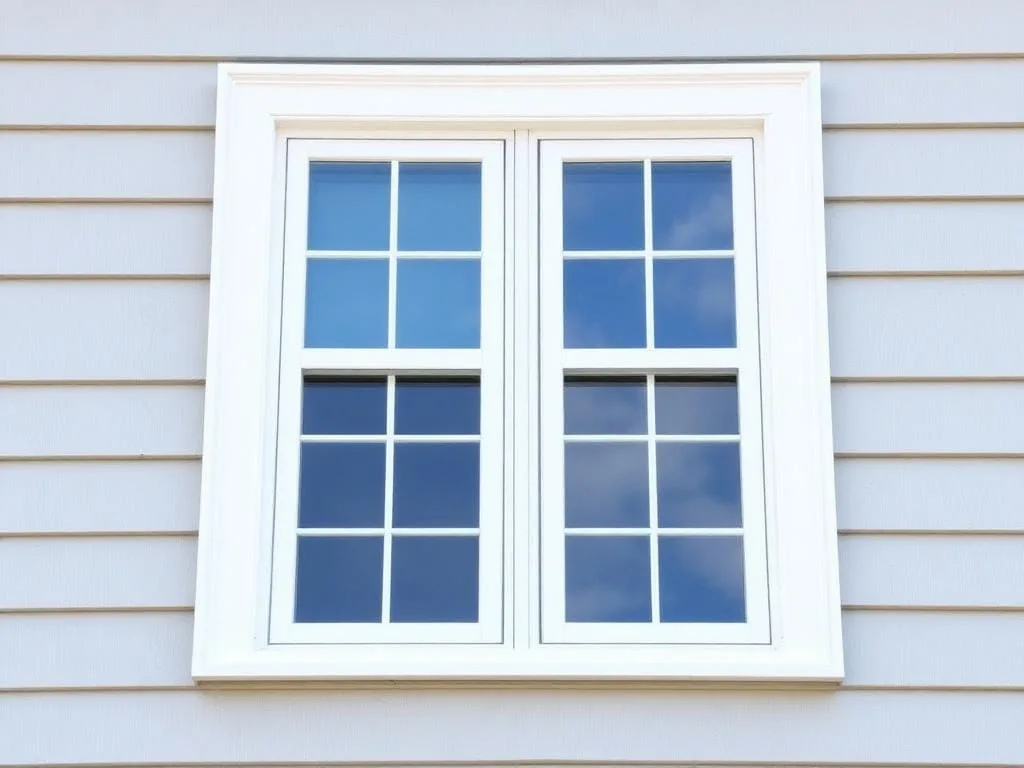
A replacement window, often called a pocket insert or a retrofit window, is built to slide perfectly inside your existing window frame. They do not have a nailing fin on the outside. Instead, they feature a smooth, self-contained box frame that holds the glass sashes and the balance mechanisms.
How Replacement Windows Work (Keeping the Existing Frame)
When we do a replacement window installation, the exterior siding, brick, and interior drywall stay totally untouched. Installers simply pry off the thin interior wooden stops, pull out the old glass sashes, cut the old weight cords, and clean out the empty pocket. Then, the new unit slips right into the old wooden or aluminum frame. We secure it with long screws, pack the gaps with low-expansion insulation foam, and seal it up with premium caulk.
Key Advantages: Cost, Speed, and Minimal Disruption
The biggest replacement window benefits are speed and cost savings. A good two-person crew can swap out 8 to 10 windows in a single day without turning your front yard into a messy construction zone. Because nobody is tearing off your expensive stucco or patching custom trim, your labor bill stays incredibly low.
Limitations: No Frame Repair and Minor Glass Area Loss
The catch? Because you are putting a new frame inside an older frame, you lose about an inch of visible daylight all the way around the glass. More importantly, if the wood hidden behind your old frame is rotted from years of subtle leaks, a retrofit window just hides the problem. It cannot fix structural decay in your walls.
What Are New Construction Windows? (Full-Frame Windows Explained)
Definition and Anatomy (Featuring the Integral Nailing Fin)
A new construction window is engineered to be fastened directly to the raw wooden bones of your house. The dead giveaway when looking at one is the integral nailing fin, a thin plastic or metal flange running around the outside edge. Carpenters drive roofing nails through this fin straight into the wall studs to lock the unit in place.
How New Construction Windows Work (Exposing the Rough Opening)
To get to those bare studs, the crew has to expose the rough opening. That means tearing off the exterior siding, cutting back the house wrap, and pulling off the exterior trim. It is a messy, invasive full-frame window replacement process that requires careful re-flashing with heavy-duty waterproofing tape before the siding can be reinstalled.
Key Advantages: Flashing Integrity, Frame Replacement, and Maximum View
The main new construction window benefits center around absolute weatherproofing and structural integrity. Taping that nailing fin directly to the house wrap creates an ironclad barrier against water infiltration. Plus, since the window mounts directly to the studs instead of nesting inside an old frame, you get the maximum viewing area. It also gives contractors the chance to inspect the open wall cavity for mold or termite damage.
Limitations: Higher Cost, Siding Removal, and Longer Labor Times
The downside is the sheer headache and expense. A new window installation takes hours per opening instead of minutes. If you have delicate masonry, custom stucco, or aged cedar shakes, patching the exterior to look right can easily double your overall project budget and timeline.
Direct Comparison: Replacement Windows vs. New Construction Windows
Installation Process and Labor Complexity
When you stack up replacement windows vs new construction windows, the labor difference is night and day. Retrofits are essentially surgical; we work mostly from the inside of the house using drop cloths. Full-frame jobs require exterior scaffolding, siding crews, and finish carpenters to rebuild the interior window sills and trim from scratch.
Cost Breakdown: Materials, Labor, and Hidden Expenses
So, are replacement windows cheaper than new windows? Absolutely. A standard retrofit might cost you $500 to $900 installed. A full-frame tear-out usually starts at $1,200 and can easily exceed $2,500 per window once you factor in siding repairs and custom interior woodwork. If you want a deeper dive into the numbers, checking a detailed window installation cost guide is the smartest way to accurately budget for those hidden exterior carpentry expenses before you sign a contract.
Energy Efficiency, Weatherproofing, and U-Factor Performance
Both styles offer excellent dual or triple-pane glass packages. But when you look closely at certified energy efficiency U-factor ratings, full-frame units sometimes pull ahead in real-world performance. Why? Because ripping the wall open down to the studs allows installers to inject heavy foam insulation into empty wall cavities that retrofit crews simply cannot reach behind the old jambs.
Comparison Table: Quick Reference Guide
| Feature | Replacement Windows | New Construction Windows |
|---|---|---|
| Cost to Install | $500 – $900 per window | $1,200 – $2,500+ per window |
| Existing Frame | Kept entirely in place | Ripped out to bare wall studs |
| Install Time | 1 to 2 hours each | 4 to 6+ hours each |
| Exterior Mess | Zero siding damage | Requires siding removal and repair |
| Best Used For | Budget upgrades, solid framing | Rotted sills, new room additions |
When to Choose Replacement Windows (Best Use Cases)
Healthy Existing Wood, Vinyl, or Aluminum Frames
When should you choose replacement windows? Anytime your current frames are square, solid, and completely free of water damage. If the bones of the window are good, there is zero reason to pay a crew to rip them out.
Budget-Conscious Home Upgrades
If you want to stop winter drafts and lower your energy bills without taking out a second mortgage, retrofits are the smartest play. They give you the vast majority of the thermal benefits for a fraction of the price.
Quick Home Improvements with Minimal Exterior Mess
If you have beautiful, historic interior trim or custom exterior brickwork that you do not want ruined, pocket inserts are perfect. They keep the jobsite clean, finish fast, and preserve your home’s original architectural character.
When Do You Actually Need New Construction Windows?
Structural Rot, Water Damage, or Termite Issues
When do you need new construction windows? The minute you find rot. Grab a flathead screwdriver and press it hard into the bottom corners of your exterior window sill. If the wood feels spongy or crumbles away, a retrofit will not hold securely. You have to tear it down to the studs.
New Additions, Framing, and Stud-Out Renovations
If you are building a new sunroom or gutting a kitchen down to the drywall, you always use finned units. Can replacement windows be installed in a new home? Technically yes, but it makes no sense. The walls are already open, so use the nailing fin for a superior water seal.
Changing Window Sizes or Opening Shapes
Are you trying to turn two small bedroom windows into one giant picture window? That requires changing the framing headers. Any time you alter the size of the hole in your wall, you are looking at replacement windows or new construction windows for a home renovation, and new construction is the only structural choice available.
Why Choose Quality Roof Pros?
At Quality Roof Pros, we believe in straight talk and building science. For many years, our licensed and insured contractors have guided several homeowners through complex exterior renovations. We aren’t here to hit you with high-pressure sales tactics or push you into a costly full-frame tear-out if a simple retrofit will solve your drafts. As energy-efficient installation specialists, our mission is to educate you on exactly what your framing needs, providing transparent, zero-pressure cost breakdowns so your home stays protected for decades.
Frequently Asked Questions
Are replacement windows cheaper than new construction windows?
Yes, they are significantly cheaper. You save massive amounts on labor because the installer doesn’t have to remove or repair your exterior siding, brick, or interior trim.
Do replacement windows include a new frame?
No. They have a self-contained border, but they are specifically designed to slide directly into your home’s existing structural wooden or vinyl frame.
Can replacement windows be installed in a new construction home?
It is highly discouraged. New builds have exposed studs, and local building codes generally require windows with nailing fins to properly seal the exterior weather barrier.
How long does replacement window installation take?
A professional crew can typically remove the old sashes and install, insulate, and fully seal a new retrofit window in about 60 to 90 minutes.
What exactly is a nailing fin?
It is a flat plastic or metal flange that sticks out from the perimeter of a new construction window, allowing carpenters to nail it flat against the wall studs.
Do new windows require me to replace my siding?
Not always replaced, but the siding around the window definitely has to be pulled back or cut away to expose the wood framing underneath, which requires patching and repainting later.
Are replacement windows energy efficient?
Absolutely. Upgrading from single-pane glass to modern, argon-filled replacement units will drastically cut down on drafts and lower your seasonal heating and cooling bills.
Do I lose viewable glass with retrofit windows?
Yes, slightly. Because the new unit nests inside the old one, you typically lose about an inch of visible glass around all four sides of the window.
When should I upgrade window sizes?
Only do this if you are already planning a major remodel. Expanding a window requires cutting into the wall structure and changing headers, which means you must use new construction windows.
Can I check my own windows for rot?
Yes. Press a screwdriver firmly into the exterior wooden sill. If the wood gives way, feels soft, or flakes apart easily, you have structural rot and need full-frame replacements.