Shingle Damage and How to Prevent It
Your roof shingles are like the unsung heroes of your home, keeping rain, wind, sun, and snow at bay while also helping with energy efficiency and curb appeal. But when they start to wear down, even small issues can lead to leaks and bigger repair bills. That’s why it’s helpful to know the early signs and causes of shingle damage. If your shingles are looking worse for wear, it might be time to consider a professional check-up for roof installation or roof replacement.
Let’s dive into the common causes of shingle damage, how weather and climate play a role, and what you can do to keep your roof in top shape. You’ll also pick up some practical tips for inspections and maintenance, and learn when it might be time for more than just a repair. For more background on roofing, check out the National Park Service’s guide on roofing preservation.
Why Shingle Damage Happens
Weather Is a Major Player
Weather is a big factor in shingle damage. Asphalt shingles are built to handle outdoor conditions, but constant sun, wind, rain, and temperature changes can wear them out over time. Wind is often the main culprit, causing about half of shingle problems, while hail and UV rays also take their toll. In areas prone to storms, these factors combine, and visible damage is just the start.
Aging Weakens Shingles
Even a well-installed roof has a shelf life. Typically, asphalt shingles last between 15 and 30 years, depending on their quality and how well they’re maintained. As they age, shingles lose granules, get brittle, and can’t flex like they used to. This makes them more prone to cracking or blowing off in bad weather. If your roof is nearing 20 years, a proactive inspection could save you from a surprise failure.
Installation Quality Counts
Good installation is crucial for roof longevity. Mistakes like missing nails or poorly aligned shingles can cause problems long before the shingles should wear out. That’s why it’s wise to hire certified professionals for roof installation. Proper installation helps shingles seal correctly, shed water efficiently, and resist wind damage, which all add up to a longer-lasting roof.
How Climate Change Affects Shingle Performance
Stronger Storms Mean More Damage
Climate change is making storms more intense, with stronger winds and larger hail. These conditions can lift the edges of shingles and tear tabs, exposing the roof deck below. According to the National Oceanic and Atmospheric Administration, these extreme weather patterns are becoming more common and are a major concern for property owners. Roofs are often the first to show signs of wear.
Humidity Can Be a Hidden Threat
Humidity poses a different risk. Moist air can lead to algae growth and weaken roof components, speeding up the breakdown of adhesives and underlayment. In coastal areas, salt in the air can add to this wear. Over time, this can make a roof look older and less effective. Homes in damp environments often need more careful maintenance and better moisture control in the attic.
Watch Out for UV Rays
Hotter summers and longer sun exposure can hasten UV damage. Sunlight dries out the oils in asphalt shingles, making them brittle and more likely to crack. While newer shingles have improved UV resistance, no shingle is immune to sun exposure. If your roof is in full sun all day, its aging pattern will differ from a shaded roof nearby.
Common Shingle Damage to Look For
Missing or Lifted Shingles
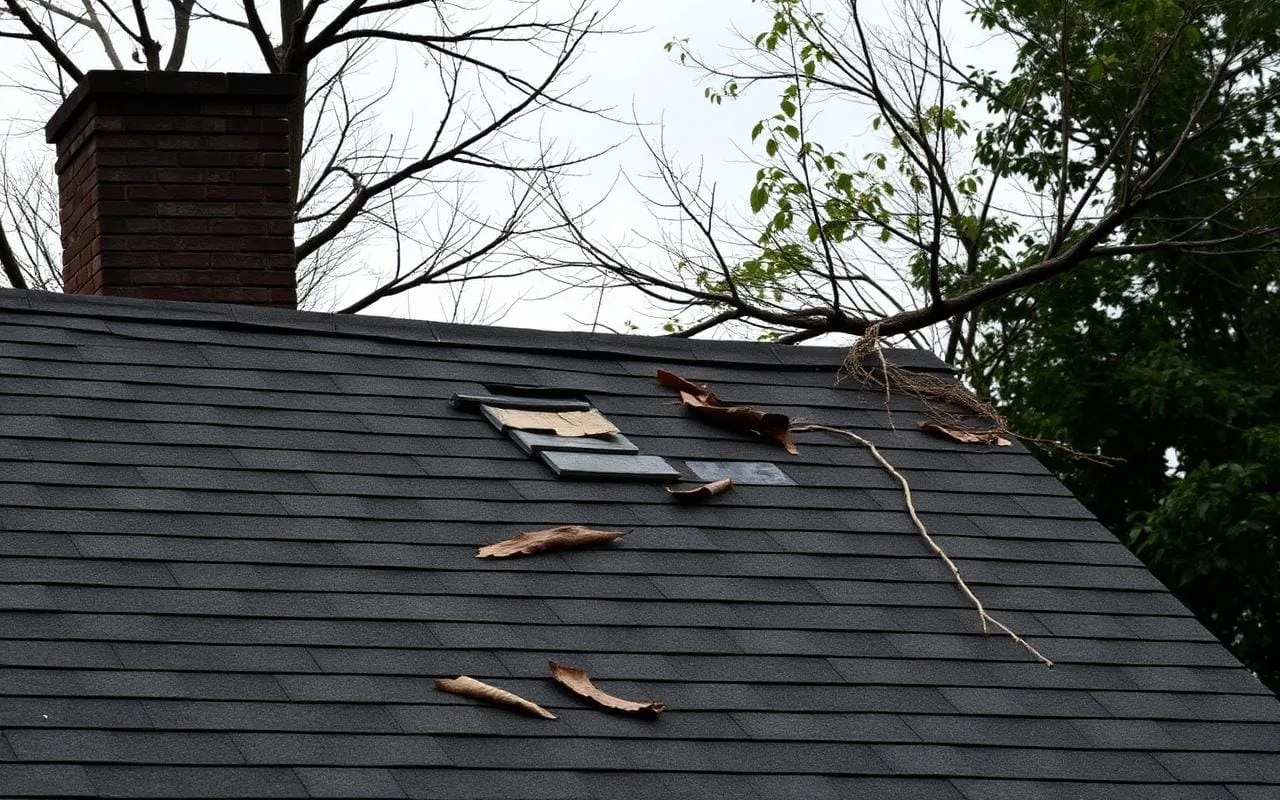
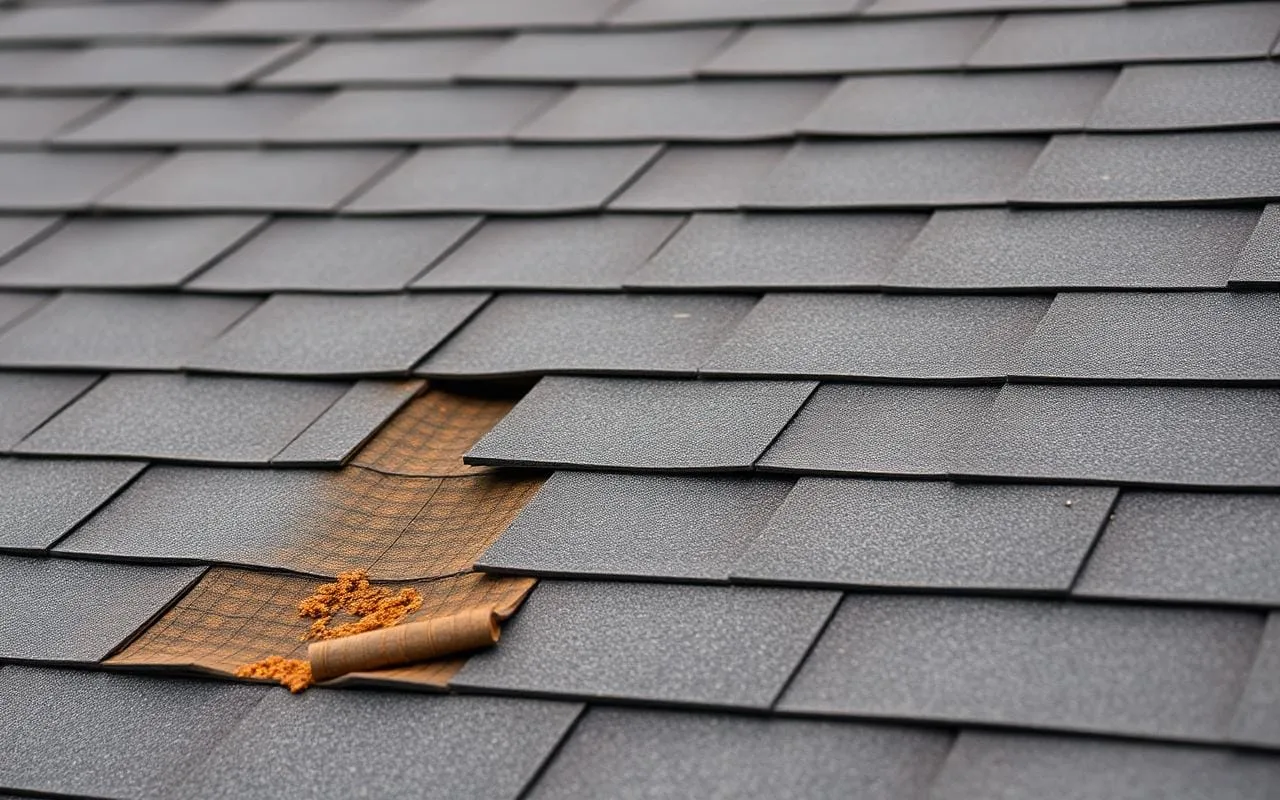
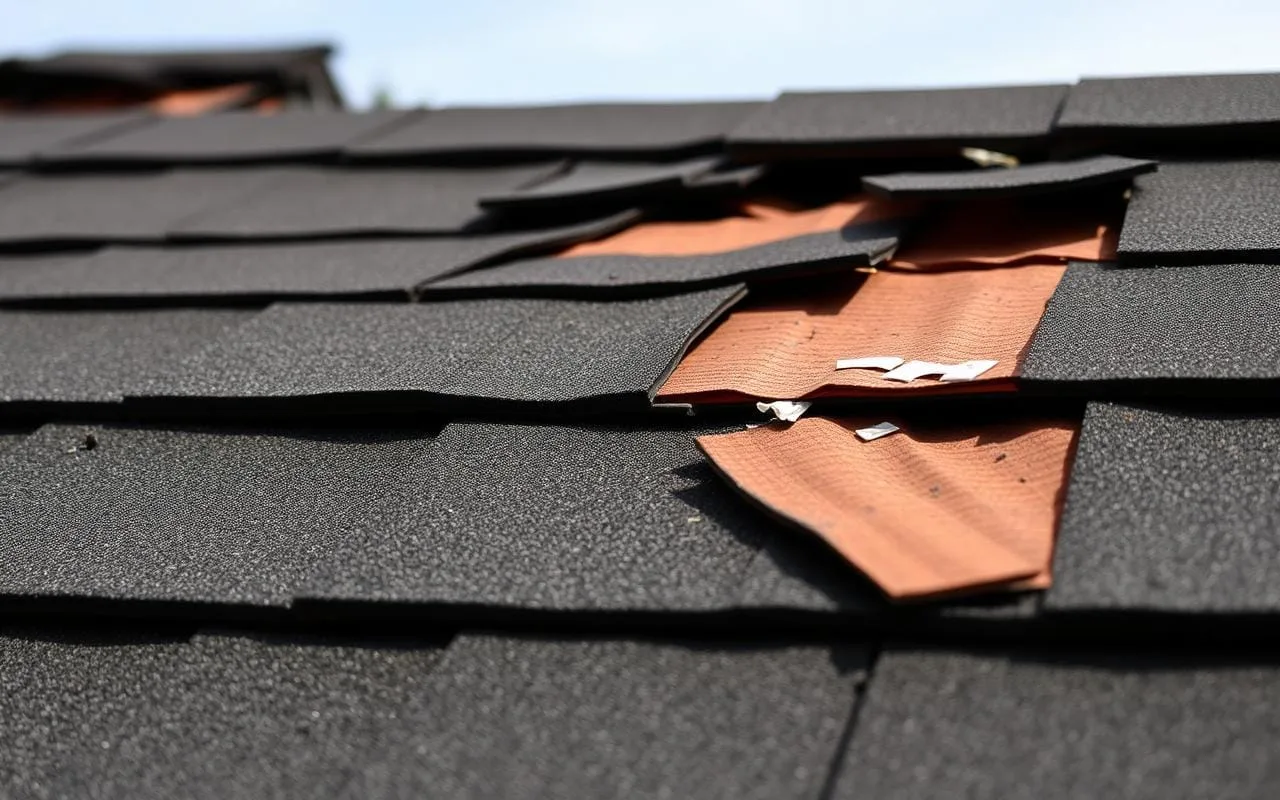
Missing shingles are a clear sign of trouble, but lifted shingles can be just as bad. Once the adhesive seal is broken, wind can catch the edges and rip the shingle off, allowing water to seep in. If you spot loose tabs after a storm, consider emergency roof repair before it gets worse.
Cracked, Curled, or Brittle Shingles
Cracks and curls usually mean age, heat damage, or poor ventilation. Curled shingles can’t lie flat, making it easier for wind and rain to get in. Brittle shingles might look fine from the ground but can fail quickly under stress. These problems often appear on roofs that aren’t inspected regularly or have poor attic ventilation.
Granule Loss and Surface Wear
Granules protect the asphalt from sunlight and help water run off. When granules wear away, the roof is more vulnerable to UV damage and aging. You might see granules in gutters or around your home’s base. Some granule loss is normal, but heavy or uneven loss can signal bigger issues.
Water Stains and Indoor Clues
Not all signs of damage are outside. Stains on ceilings, damp attic insulation, or a musty smell upstairs can indicate roof failure. Water might enter through a gap in the flashing or a lifted tab. If you also have clogged drainage, pairing roof care with gutter maintenance can help keep water flowing away from your home.
How to Prevent Shingle Damage
Get Inspections Twice a Year
Experts recommend checking your roof in spring and fall, and after severe weather. These inspections can catch loose shingles, cracked sealant, or damaged flashing before they become bigger issues. Regular inspections can extend roof life by addressing problems early. The Federal Emergency Management Agency advises quick assessments after storms to prevent hidden problems from causing structural damage.
Keep the Attic Ventilated
Ventilation is often overlooked but crucial for shingle lifespan. A hot, moist attic can bake the roof from below and encourage condensation. Balanced ventilation helps regulate temperature and moisture, preventing early aging of roofing materials. If your roof is wearing out quickly, check the attic airflow. Proper soffit and fascia can support ventilation and edge protection.
Maintain Trees, Gutters, and Drainage
Branches can scrape shingles, removing granules and causing scratches. Leaves and debris can clog gutters, causing water to back up and saturate the wood below. A solid maintenance routine includes trimming overhanging branches, cleaning gutters, and checking downspouts after storms. Improving drainage and roof edge protection can also involve siding repair and other exterior improvements.
Use Quality Materials and Methods
Roofing products are getting better with more durable and energy-efficient options. They work best when installed correctly with the right underlayment and ventilation. This is where professional skills matter most. A quality roofing system includes decking, flashing, ventilation, and drainage all working together.
Spotting Shingle Damage Early
Start with a Ground-Level Check
You don’t have to climb up to see warning signs. Walk around and look for missing shingles, uneven lines, debris, or discoloration. Check the ground near downspouts for granules. Early detection often starts with simple visual checks after storms and each season.
Check the Attic for Moisture
The attic can reveal a lot about roof health. Look for damp insulation, dark stains, daylight through cracks, or rust around fasteners. These signs may indicate hidden roof issues even if the shingles look fine from outside. Attic checks are important after heavy rain or hail because water can travel far from the entry point.
Know When Replacement Is Needed
If your roof is over 20 years old and showing multiple issues, replacement may be more cost-effective than repairs. Patching works for isolated damage, but widespread curling or leaks suggest the system is at its end. A full evaluation from a reputable contractor can help you compare repair costs with the benefits of replacement.
Roofing Challenges in Coastal Areas
Dealing with Salt Air and Strong Winds
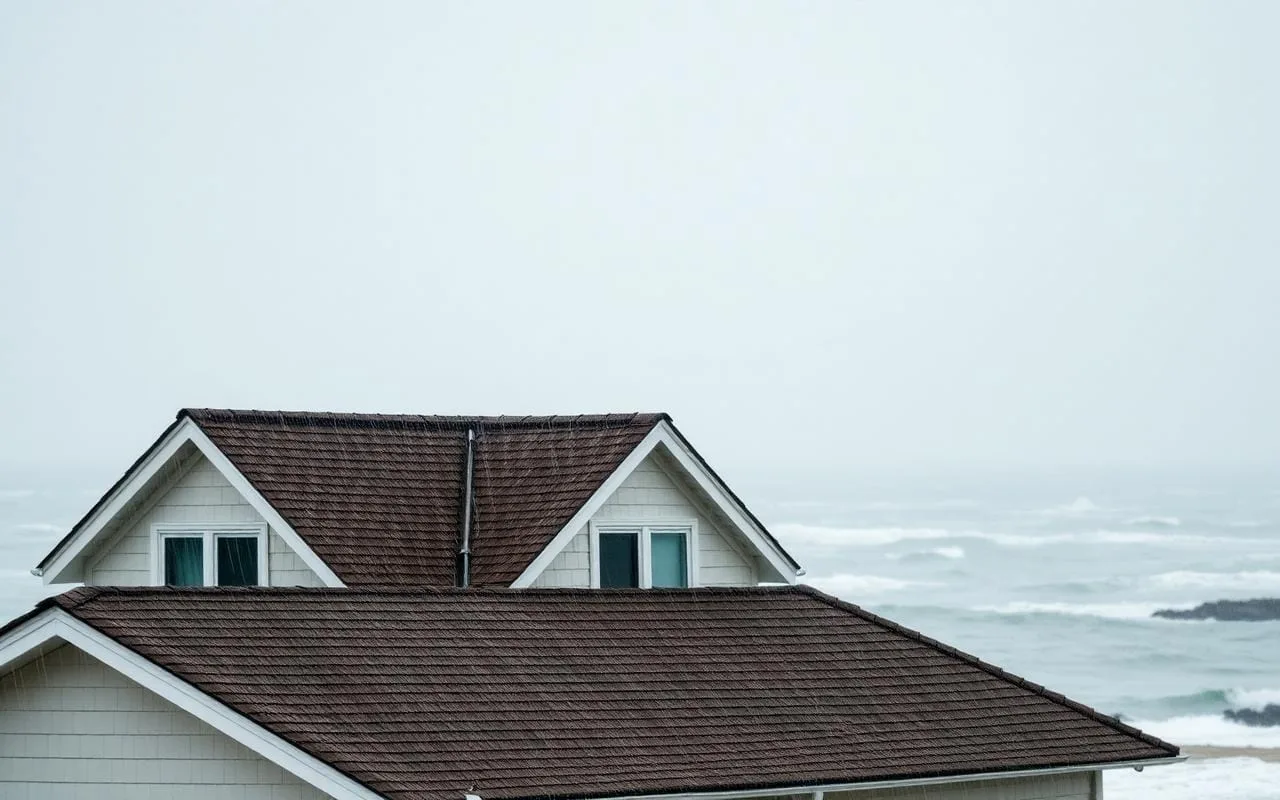
Coastal areas face tougher roofing conditions. Salt air affects materials, and storms off the water bring strong winds and moisture. In places like Brick Township, NJ, these conditions make durable roofing choices crucial. Local homeowners often need stronger weather resistance and more frequent checks to prevent damage. Local expertise is key, and services like roof replacement can offer better protection when materials age.
Local Know-How Aids Repair Choices
Coastal projects often need tailored solutions, from better shingles to reinforced edges and drainage. Roofers familiar with local conditions can recommend materials that fit the environment. Local teams like Quality Roof Pro help choose solutions that handle storm damage and long-term wear, reducing repeat issues and extending roof life.
Case Study: Storms and Moisture Management
Consider a home hit by repeated nor’easters and salt spray. Even if the roof isn’t old, shingles may degrade faster due to constant exposure. Fixing this might mean more than replacing shingles; it could require better ventilation and flashing to stop the same damage from recurring after the next storm. A systems-based approach often works best.
What to Do After a Storm
Quickly Document Damage
After a storm, take photos of visible damage from the ground and inside the attic if it’s safe. Document missing shingles, fallen branches, and water spots indoors. Detailed records help with insurance claims and give professionals a clear picture of the issue. The sooner you gather information, the better you can prevent further damage.
Protect Exposed Areas Fast
If shingles are missing or the deck is exposed, install temporary protection quickly to stop water from getting in. Tarping might be necessary until repairs are done. Quick action is important because even small openings can let in enough water to damage insulation, drywall, and framing. If there’s active leakage, prioritize emergency service over cosmetic fixes.
Get a Professional Assessment
Post-storm inspections need to be thorough, not just a glance from the street. A trained roofer can spot lifted tabs, nail pops, damaged flashing, and weak spots often missed by homeowners. If your roof system includes aging drainage or trim, it might be wise to review your windows, soffits, and fascia too, as water issues often affect more than one exterior element.
Energy-Efficient Roofing Innovations
Cooler Roofs Boost Performance
The roofing industry is focusing more on sustainability and resilience. New shingles are designed to reflect heat, resist UV breakdown, and improve indoor comfort. These advances help in hot climates where roof temperatures can soar. Energy-efficient roofing can also ease the load on cooling systems and enhance home performance.
Insulation Starts at the Roof
Shingle performance is just one part of energy efficiency. When attic ventilation and insulation are balanced, the roof helps maintain stable indoor temperatures. This reduces attic heat buildup and prevents early aging from trapped thermal energy. If you notice uneven indoor temperatures or rising energy bills, review roof ventilation as part of the solution. Check out our related article on how poor roof ventilation sneaks up on your home.
Coordinate Roof Care with Other Upgrades
Energy performance and durability improve when all exterior systems work together. Roofs, gutters, siding, soffits, and fascia help direct water and manage airflow. When one system fails, it can speed up wear on others. Routine maintenance is more effective than treating each issue separately. Sometimes, roofing repairs should be planned with emergency roof repair or exterior updates for a complete fix.
FAQs About Shingle Damage
How Can I Tell If My Shingles Are Damaged?
Look for missing, cracked, curled, or blistered shingles, granule loss, or water stains on ceilings and attic surfaces. You might also notice roof debris in the yard or gutter clogs from granules. If several warning signs appear, get a prompt evaluation. A small issue can quickly become a leak once wind or heavy rain is involved.
How Often Should Shingles Be Inspected?
Inspections should happen twice a year, plus after strong storms, hail, or high winds. This schedule helps catch problems while they’re still easy to fix. For older roofs, more frequent checks are wise, especially in harsh sun or coastal weather. Regular attention is key to extending roof life.
Can Preventive Maintenance Extend Roof Lifespan?
Yes, preventive maintenance can delay major repairs by addressing small problems early. Cleaning gutters, trimming trees, improving ventilation, and replacing damaged shingles help protect the roof. Since asphalt shingles can last 15 to 30 years, proper care can make a big difference in reaching the upper end of that range.
Wrap-Up: Stay Ahead of Roof Problems
Shingle damage doesn’t usually happen overnight. It’s often a mix of weather exposure, aging materials, ventilation issues, installation problems, and delayed maintenance. Knowing the causes helps you stop minor wear from turning into major expenses. Regular inspections, good attic airflow, clean drainage paths, and quick storm responses are key to a durable roof.
If you see missing shingles, curling edges, granule loss, or signs of moisture, it’s time to act. A professional assessment can reveal whether you need a simple repair, an upgrade, or a full replacement. For homeowners in Brick Township and nearby areas, Quality Roof Pro offers local expertise and dependable service to protect your home. Contact us today to tackle roof damage before the next storm hits.
For more tips on roof longevity and exterior protection, check out our related articles on spotting roof wear and tear early and how New Jersey weather wears out roofs, then reach out when you’re ready for expert help.