Guide to Spotting Roof Wear and Tear Early in Brick Township, NJ
Your roof is your home's first line of defense, but early signs of wear and tear can sneak up on you. Little things like a lifted shingle, a small ceiling stain, or some granules missing from your shingles can turn into bigger problems like leaks, wood rot, and costly repairs. By spotting roof damage early, you can extend the life of your roof, keep your home’s value intact, and avoid unexpected expenses.
This guide covers the most common signs of roof wear, how to safely check your roof, when to bring in a pro, and the latest materials and tech that are changing roof maintenance. Need help right now with leaks or storm damage? Our emergency roof repair and roof replacement services are here to prevent minor issues from escalating.
For more on roof care and weather readiness, the U.S. Department of Energy shares useful insights on how roofing and attic conditions impact your home's performance. The Federal Emergency Management Agency also provides storm preparedness resources to help reduce weather-related damage.
Why Catching Roof Problems Early is Key
Small Issues Can Get Expensive Fast
Roofs are built to keep water out, stand up to wind, and protect your home, but they don’t just fail overnight. They wear down over time. A missing shingle might expose the layer below. Damaged flashing can let water into the decking. When moisture reaches the insulation or framing, repairs get complicated and pricey.
This is why keeping an eye on your roof is so important. Catching problems early often means more repair options and less interior damage. Sometimes, a small fix can prevent the need for a full replacement. This is especially true in coastal areas where salt air, UV rays, humidity, and storms can wear out roofs faster than expected.
Weather and Climate Speed Up Wear
Manufacturers say asphalt shingles should last about 20 to 25 years, but harsh weather can shorten that. In coastal areas, constant sun, wind-driven rain, and salty air can speed up corrosion and brittleness. Your roof might start to show its age sooner than expected.
If you know this, you can be proactive. Instead of waiting for a leak, plan seasonal check-ups, look for subtle changes, and consider investing in materials made for tough environments. For homes needing more durability, checking out professional roof installation options might be a smart move, especially if your roof is nearing the end of its lifespan.
Spotting Roof Issues from the Ground
Shingles That Are Missing, Cracked, or Loose
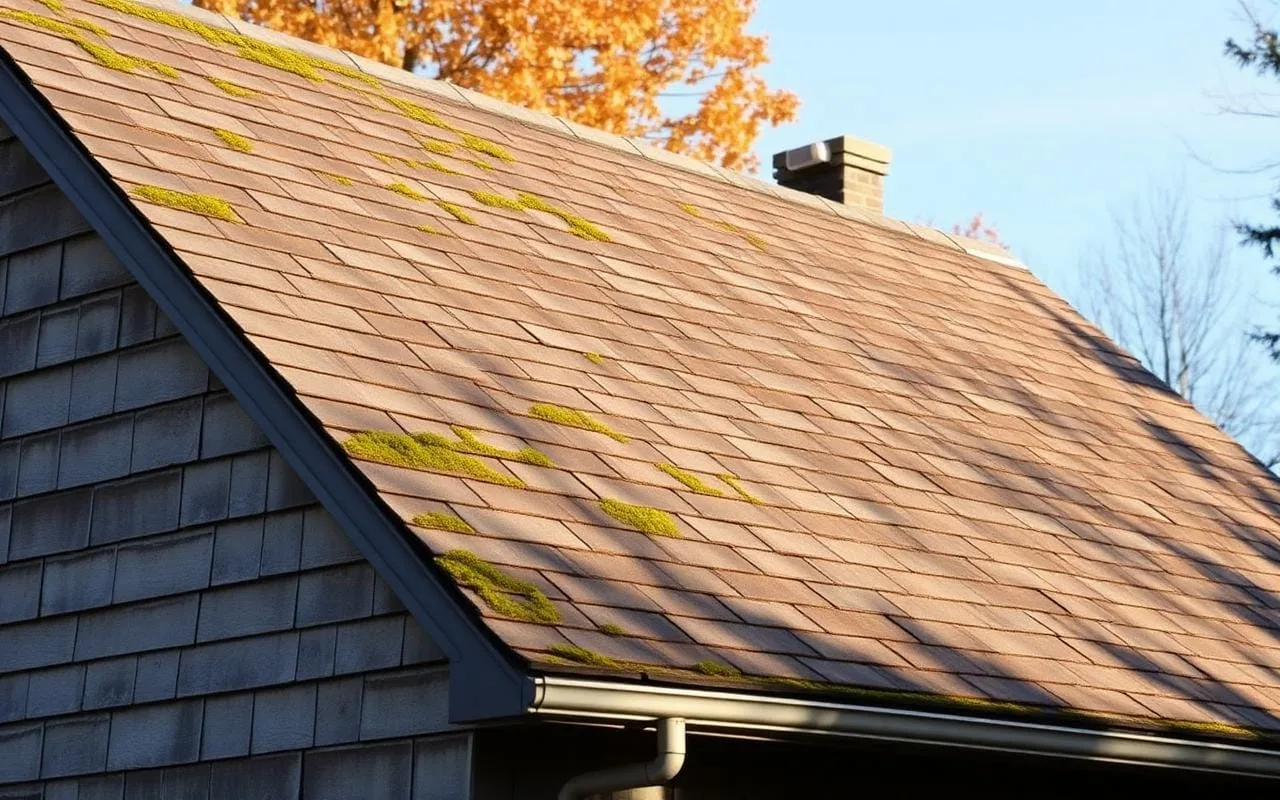
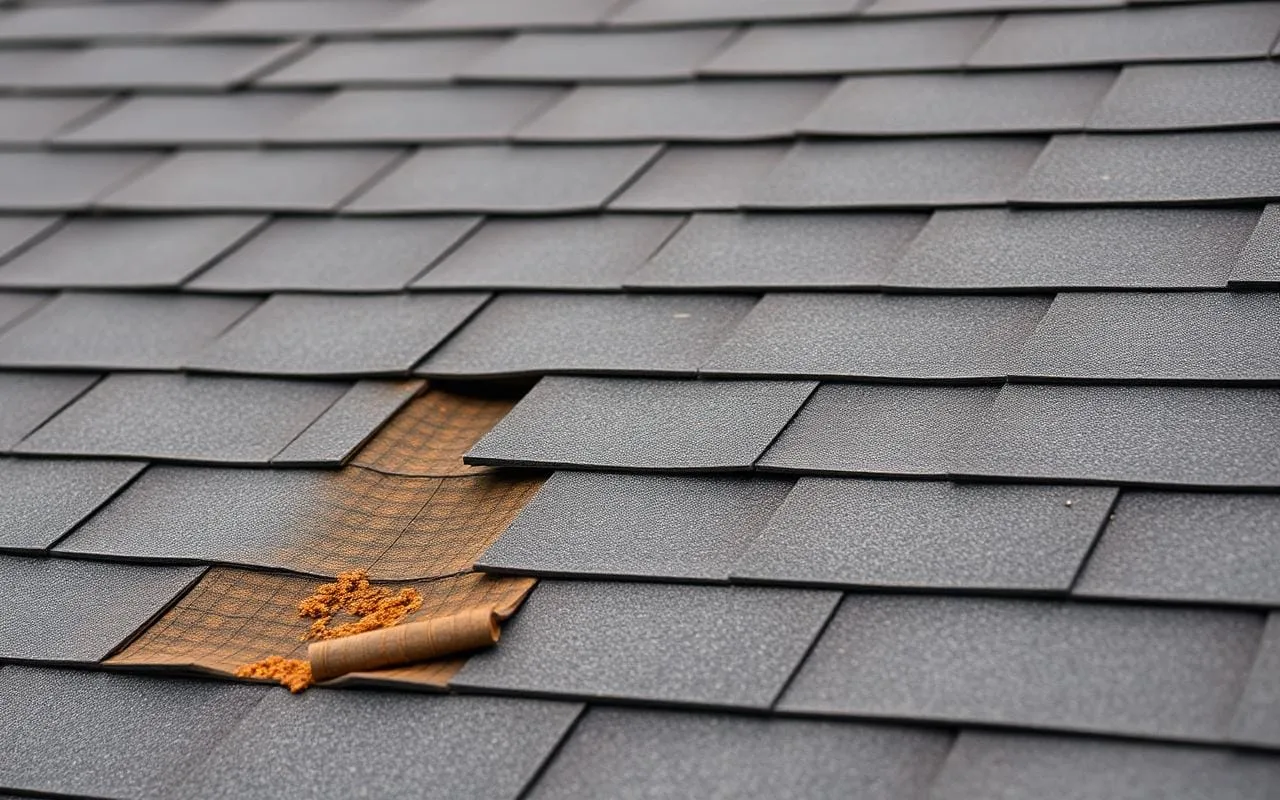
One of the easiest ways to spot roof wear is by looking at the shingles. Over time, they might crack, curl, or lose adhesion. After storms, you might see pieces on the ground, especially in areas that take a lot of wind. Even a few damaged shingles can let water in.
Keep an eye out for patchy spots where the roof color looks uneven, or the surface texture seems thinner. These changes often mean granule loss or aging. If the damage is small, a repair might do. But if it’s widespread, consider a bigger inspection and maybe a roof replacement plan.
Sagging or Uneven Rooflines
Your roof should look straight and stable. If any part seems dipped, wavy, or uneven, it might signal structural trouble below. Sagging can mean moisture-damaged decking, weakened framing, or prolonged leaks that have compromised support materials. This is serious and needs immediate attention.
If sagging is accompanied by ceiling stains or soft spots in the attic, call a professional right away. The quicker you act, the better the chance of preserving the structure without major reconstruction. In serious cases, emergency containment might be needed, where our fast repair services can help stabilize things.
Granules in Gutters and Around Downspouts
Asphalt shingles naturally shed some granules, but losing a lot is a big aging sign. These tiny particles protect shingles from UV rays and weather. When they go missing in large amounts, the roof is more open to cracking and deterioration.
Check your gutters and downspouts for dark, sandy residue. If you see a lot after a storm or notice bare spots on shingles, it probably means the roof is losing protective material faster than usual. A well-kept gutter installation system can help control water flow and reduce edge damage, making it easier to protect the roof and siding over time.
Indoor Clues of Roof Problems
Water Stains and Discoloration
Not all roof damage shows up outside. Often, the first sign is indoors as yellow or brown stains on ceilings or upper walls. These marks might be small at first, but they often point to slow leaks that have been around for a while. Stains near corners, light fixtures, or wall intersections deserve special attention because water often travels before becoming visible.
Once you spot a stain, keep an eye on it to see if it grows after rain. Persistent discoloration usually means there’s an active issue that needs checking out. If the problem is related to flashing or underlayment failure, related resources like our roof flashing guide can help you understand how water protection systems work together.
Musty Smells, Mold, and Damp Insulation
A roof leak doesn’t always show up as dripping water. Often, the first sign is a musty smell in the attic or an upper room. Moisture in insulation or framing can lead to mold growth, wood decay, and poor air quality. If the smell gets stronger after rain, that’s a big clue.
Check the attic for damp insulation, darkened wood, or visible mold patches. The U.S. Environmental Protection Agency recommends dealing with mold and moisture issues quickly because they can spread and affect health. Early roof repair helps stop the moisture source from becoming a bigger air quality concern.
Higher Energy Bills and Temperature Swings
Roof wear can also affect your energy bills. If shingles fail, ventilation is compromised, or decking is damaged, your home might lose heated or cooled air more easily. This can show up as higher utility bills or rooms that feel hotter in summer.
Energy changes can have many causes, but they often come with other roof symptoms like attic heat buildup or moisture. If you suspect energy loss from your roof, check out our guide to spotting roof energy loss to learn more about the signs and solutions.
How to Safely Inspect Your Roof
Start from the Ground
Most homeowners should start with a ground-level inspection using binoculars or a zoom lens on a phone camera. Look for uneven shingle patterns, damaged ridge caps, exposed flashing, clogged gutters, and debris buildup. You don’t have to climb onto the roof to notice many common problems. In fact, observing from the ground is often the safest way to begin.
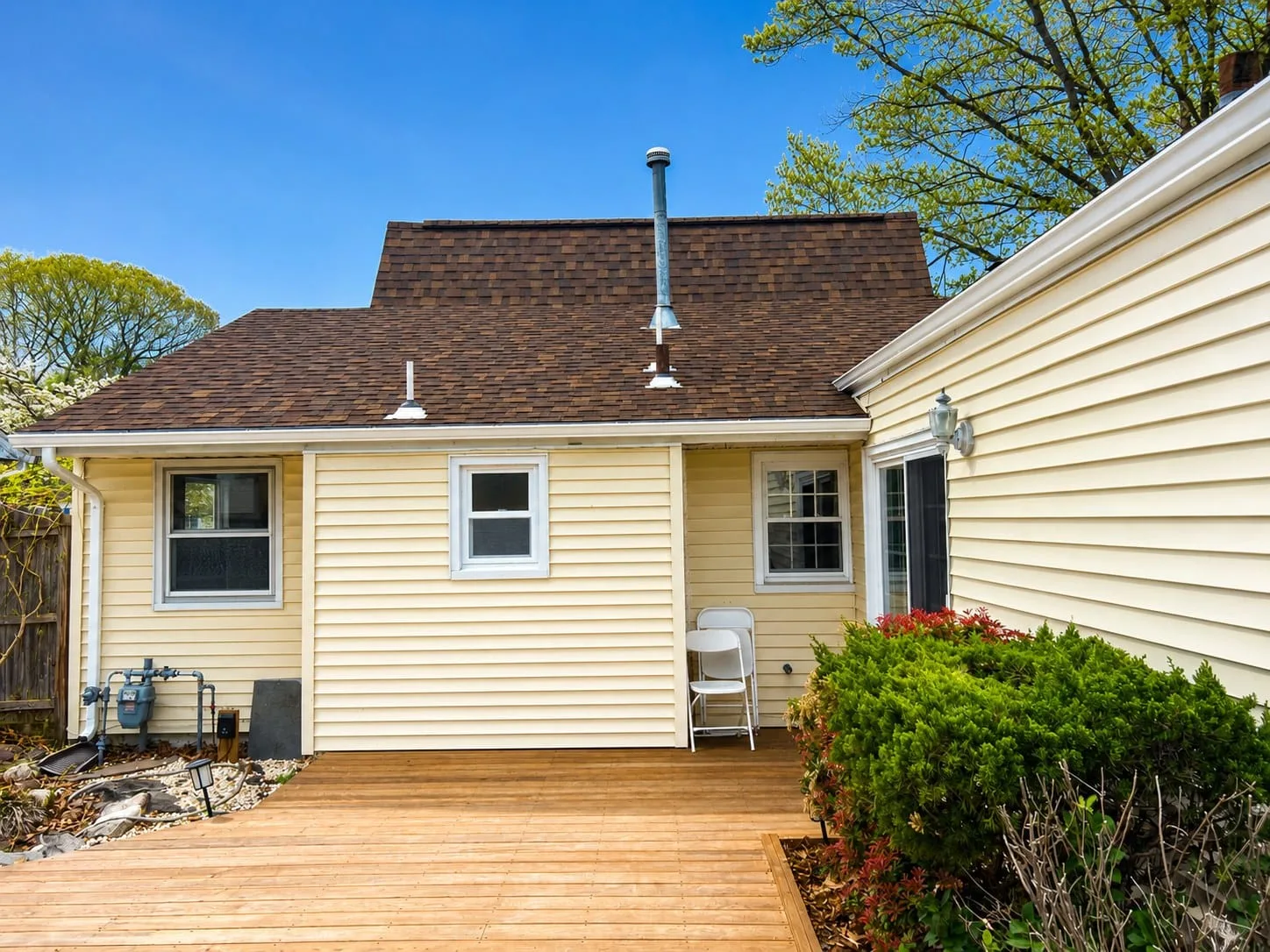
Walk around the home and check every side, not just the front. Wind and weather may affect one slope more than another, especially near tree lines. Pay attention to areas around chimneys, vents, skylights, and roof valleys because these spots are prone to leaks and wear.
Check the Attic for Moisture Signs
An attic inspection can tell you a lot about your roof. Look for wet insulation, darkened wood, light shining through decking, or rust around nails. Condensation and poor ventilation can also create symptoms that look like leaks, so it’s important to consider both water entry and airflow issues together.
If your attic is hard to access or you’re not sure what you’re seeing, get a professional evaluation. A trained roofer can tell the difference between ventilation problems and actual leaks, which helps you avoid unnecessary repairs. If ventilation is part of the issue, our roof ventilation guide can help you understand how airflow affects roof durability.
Review Flashing and Roof Penetrations
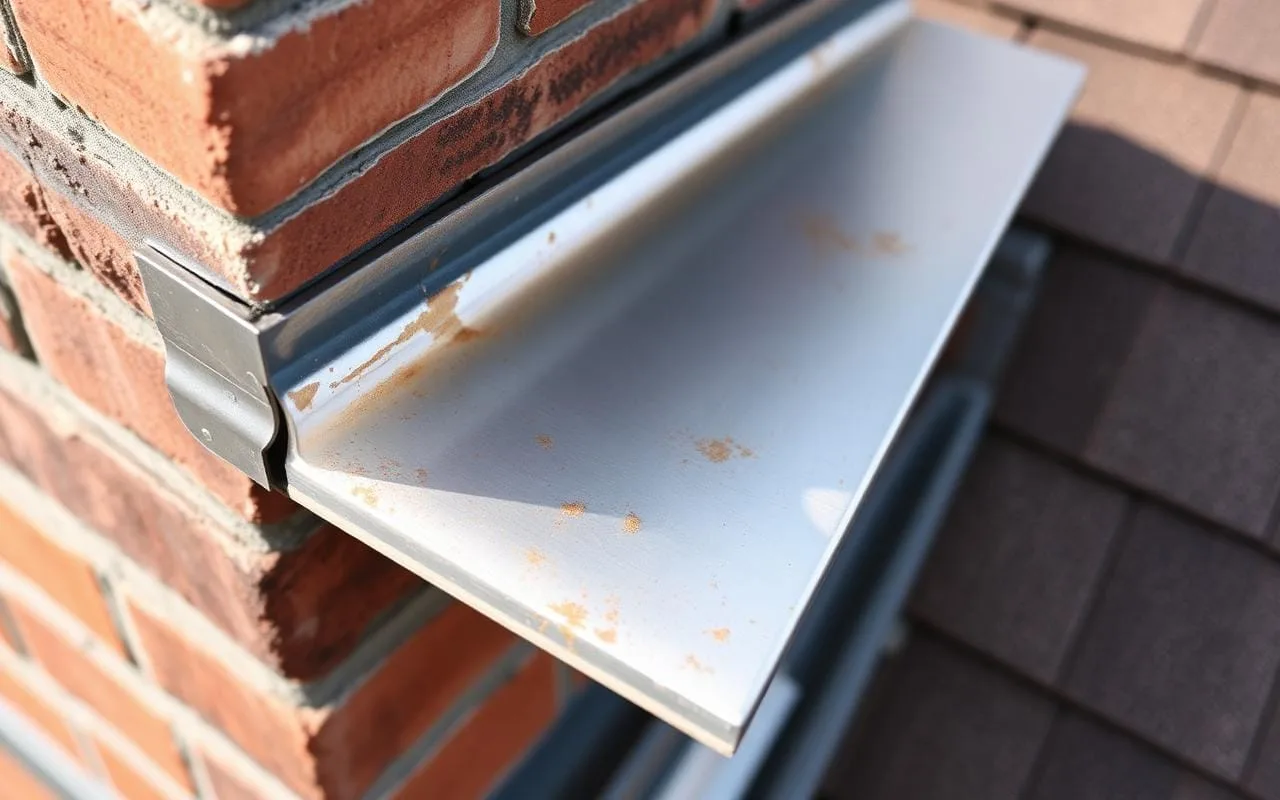
Flashing is one of the most important parts for keeping water out, especially around chimneys, vents, and skylights. Over time, flashing can rust, loosen, or separate from surrounding materials, leading to slow leaks that aren’t obvious until staining or rot appears indoors.
Because flashing problems can be subtle, they’re often missed during casual inspections. This is where professional assessments come in handy. A detailed check can reveal issues before they spread into the roof deck or interior structure. For homeowners interested in why this is such a common failure point, our flashing resource offers practical examples and warning signs.
Common Causes of Roof Wear
Storm Damage and Wind Uplift
Strong storms can loosen shingles, dislodge flashing, and drive water into small openings. Even when damage seems minor, repeated storm exposure can weaken the roof over time. Wind uplift is especially dangerous because it might not be obvious from street level, yet it can compromise seals and edges that keep water out.
After severe weather, inspect the property for missing material, fallen branches, and new debris in gutters. If the storm was intense, it might be worth consulting local storm damage resources. Our storm damage guide can help you spot issues that are easy to miss after high winds or heavy rain.
Salt Air, Humidity, and UV Exposure
Coastal environments can be tough on roofs. Salt air can corrode metal, humidity can affect sealants and wood, and UV rays can dry out asphalt shingles. These forces work together to make roof surfaces age faster than they would in milder climates.
That’s why material choice matters. In demanding climates, homeowners often benefit from stronger products like stainless steel components or standing seam metal roofing. These materials might cost more upfront, but often offer better durability and lower maintenance over time.
Clogged Gutters and Poor Drainage
Roof water needs a clear path away from the structure. When gutters clog, water can back up under shingles or overflow onto fascia boards, siding, and foundations. This can damage several parts of the home at once. The roof might suffer edge rot even if the main field looks fine.
Regular cleaning and inspection can make a big difference. If you notice water spilling over during rain or stains around the eaves, drainage should be checked right away. Improved drainage and related exterior repairs can reduce future roof stress and help preserve the system longer.
Modern Trends in Roof Monitoring and Materials
Smart Roof Monitoring Systems
One interesting trend is the rise of smart monitoring technology. Sensors can track moisture, temperature changes, and structural movement, letting homeowners and contractors catch problems earlier than just visual checks. These systems are especially helpful for homes that see frequent storms or have hard-to-reach roof areas.
Smart monitoring doesn’t replace inspections, but it adds a useful layer of awareness. If a sensor spots unusual moisture levels, it can prompt a quicker response and reduce the chance of major interior damage. For those interested in how tech changes maintenance, our smart roofing technologies article dives into the practical benefits.
Durable Materials for Tough Climates
Roofing materials are evolving. More homeowners are considering options that handle environmental stress better than traditional ones. Standing seam metal roofing, corrosion-resistant fasteners, and upgraded underlayments can boost performance in coastal regions. They might cost more upfront, but they often provide stronger durability and lower maintenance demands over time.
For homes in tough conditions, material choice should balance looks, budget, and expected lifespan. If your current roof is nearing the end of its service life, a professional consultation can help you compare options based on your property’s exposure, slope, and ventilation system.
Better Insulation and Attic Integration
Modern roof practices look at the roof as part of a complete building system, not just an isolated surface. Proper attic insulation, balanced ventilation, and moisture control all work together to reduce wear. When one part of the system fails, the roof can age faster, and indoor comfort can suffer.
That broader approach is why inspections should include more than just shingles. A complete assessment checks the exterior surface, flashing, ventilation paths, drainage, and attic conditions. It’s a practical way to identify early wear before it becomes a costly structural problem.
How Often to Check Your Roof
Twice a Year is a Good Rule
Most experts suggest checking your roof at least twice a year, ideally in spring and fall. These seasons work well because they come before and after the harshest weather periods. Spring checks can reveal winter damage, while fall checks can get the roof ready for rain, wind, and cold.
Besides scheduled checks, inspect after major storms, fallen branches, or when you notice a leak, stain, or unusual odor. The goal is not to overreact to every small change, but to build a habit that catches problems early enough to matter.
When to Call a Pro
While homeowners can spot obvious signs, professionals catch details that are easy to overlook. Certified roofers know how to evaluate shingles, flashing, vents, drainage, and structural concerns without missing subtle indicators. They can also help document damage for insurance or maintenance records.
If your roof is older, has a history of leaks, or has been hit by multiple storms, a professional assessment is especially wise. It may uncover hidden issues that aren’t yet visible from the ground. Regular expert evaluations often save money because they identify small repairs before they become large-scale replacements.
Signs It Might Be Time for Repair or Replacement
Repeated Leaks in the Same Spot
If you fix one leak and another appears nearby, the roof might have a bigger problem. Repeated leaks often suggest aging underlayment, compromised flashing, or multiple weak points. At that stage, patching alone might not solve the issue.
Persistent water intrusion deserves a full evaluation to understand if repairs are still practical. If the leak is part of a larger pattern, replacement might be the more cost-effective solution over time. Our roof replacement team can help weigh those options clearly.
Widespread Shingle Loss or Heavy Granule Shedding
If damage is limited to one slope or section, repair might be enough. But if multiple areas show cracking, curling, or missing shingles, or there’s heavy granule loss, the roof might be nearing the end of its life. Patching the system can become inefficient.
Age matters too. If your roof is close to or past its typical lifespan and shows several warning signs, replacement is often the sensible path. The key is to make that decision based on evidence, not panic. A careful inspection gives you the info you need to choose wisely.
Structural Concerns and Interior Damage
Severe sagging, soft decking, visible mold, or extensive attic moisture might mean the roof has moved beyond basic repair. Structural issues can spread quickly and affect framing, insulation, and interior finishes. When these symptoms appear together, immediate professional attention is the safest response.
If you suspect active storm damage or fast deterioration, don’t wait for the next leak. Temporary protection, emergency patching, or tarping might be needed before permanent work begins. After stabilization, a full roof plan can be developed based on the damage scope and the age of the existing system.
Simple Tips for Roof Maintenance
Keep Gutters, Valleys, and Drains Clear
Preventive maintenance is one of the easiest ways to extend roof life. Clean gutters remove water efficiently, while clear valleys help runoff move away from vulnerable joints. Removing leaves and branches also helps prevent moisture buildup and pest issues.
Also, trim back overhanging branches when possible. This reduces abrasion from moving limbs, minimizes falling debris, and lets the roof dry faster after rain. Simple maintenance habits can reduce many early roof wear problems.
Document Changes Over Time
Take photos of your roof after inspections so you can compare conditions over time. This makes it easier to notice if a stain is growing, a shingle edge is curling more, or a flashing section has shifted. Documentation also helps when you talk with a contractor or insurance provider.
Even if you’re not planning immediate repairs, this record gives you a clearer view of roof health. It turns vague concerns into measurable observations, which helps you make better decisions when it’s time to invest in repairs or replacement.
Work with Local Pros Who Get the Climate
Roofing needs differ by region, and local knowledge matters. A contractor familiar with coastal weather, humidity, and storm patterns can recommend better materials and maintenance timing. That local experience can make a big difference in roof longevity.
Want a roofing partner that understands local demands? Quality Roof Pro offers services tailored to homeowners needing reliable exterior protection. Whether it’s repairs, a full roof upgrade, or help with siding and windows, professional guidance can make the process smoother and more effective.
Conclusion: Stay Ahead of Roof Problems
Know the Warning Signs
Roof wear often shows in small but telling ways: missing shingles, granule loss, stains, odors, sagging, damaged flashing, and rising energy bills. Don’t ignore these signs, especially if they appear after storms or worsen over time. The sooner you act, the better you can manage repair costs.
Inspect Regularly and Act Fast
Twice-yearly inspections, plus checks after major weather events, give you the best shot at catching damage early. Combine ground-level checks with attic inspections and professional evaluations when needed. This approach helps protect your roof, your home’s structure, and your long-term budget.
Take the Next Step with Confidence
If you’ve noticed any of the warning signs in this guide, don’t wait for the next leak. Reach out for a professional inspection, ask about repair versus replacement, and make a plan that fits your home’s condition. For trusted support, explore our roof installation and emergency roof repair options, or contact Quality Roof Pro at (732) 770-3867 or info@qualityroofpro.com to discuss your roofing concerns today.