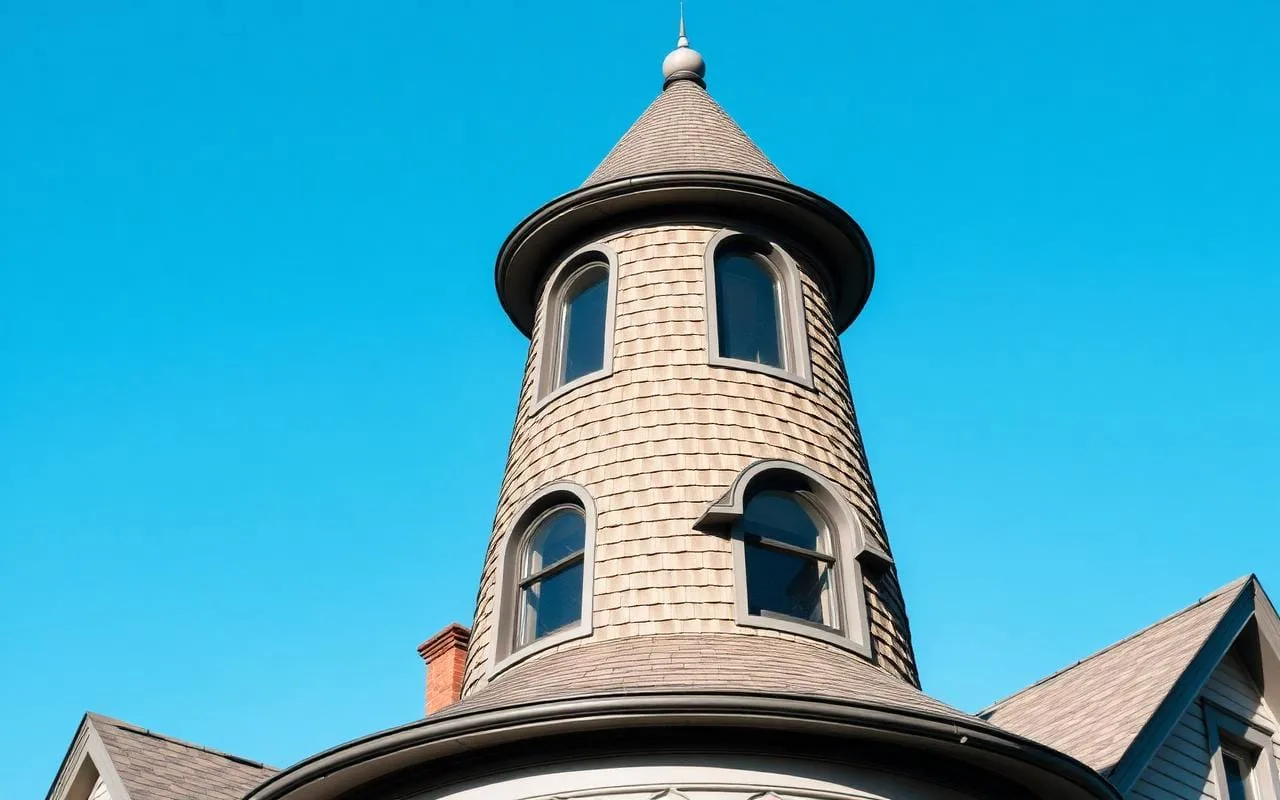
Your Go-To Guide for Conical Roofs and Towers: Challenges & Unique Installation Tips
Conical roofs and towers give buildings a unique look and historical touch. But, their shape and exposure can bring some tricky challenges when it comes to installing and keeping them in good condition. This guide is here to help design teams, building owners, and roofing experts understand what's currently trending, the best materials to use, and how to inspect and maintain these roofs. You'll get practical advice on using tech for inspections, picking corrosion-resistant materials for coastal areas, and special installation techniques that save on maintenance costs in the long run. If you're thinking about a new installation or a restoration project, our team is ready to help with planning and carrying out a professional roof installation that balances looks and function.
1. Why Conical Roofs and Towers are Important: Design and Function
Aesthetic Appeal and Architectural Impact
Conical roofs and towers are eye-catching features in many building styles, from old churches to modern homes wanting a standout shape. Their tall lines naturally draw attention upwards, adding to a building’s charm. But they do more than just look good—they can also define interior spaces, create high ceilings, and improve natural airflow if designed with the right openings.
Functional Benefits
When done right, conical roofs can help water drain better due to their slope, reduce wind pressure, and support efficient rainwater systems. Towers can also be used for housing mechanical equipment or serve as observation decks, blending utility with style. But, these perks are only possible if the structure, flashing, and waterproofing are handled right, considering the unique shape of these roofs.
Blending Old and New
In restoration projects, keeping the original conical designs is key for authenticity. New buildings might use conical elements to bring a sense of tradition with all the perks of modern performance. Success lies in picking the right materials and detailing so historical looks meet today’s durability and energy needs. For those in coastal areas like Brick Township, New Jersey, choosing materials that stand up to salty air is crucial for long-lasting roofs.
2. Trends Influencing Conical Roof Projects
Eco-Friendly and Energy-Saving Materials
Sustainability is a big deal in roofing. Materials that reflect heat, like cool roof coatings, are being used even on complex roof shapes. Green roofs and plants on tower tops or flat roof parts help with insulation, stormwater management, and cutting energy use. The U.S. Department of Energy provides tips on cool roofs and saving energy, which can guide choices for intricate shapes like towers and cones.
High-Tech Roofing and Maintenance
Things like IoT sensors, wireless moisture detectors, and smart analytics are turning roofs into systems that can catch leaks early and track performance. For conical roofs and towers, placing sensors near high-risk areas can alert owners about small issues before they become big problems. Adding this tech during installation can cut maintenance costs and help plan targeted inspections, rather than relying just on regular manual checks.
Inspection Innovations: Drones and Thermal Imaging
Drones and thermal imaging offer non-invasive, detailed data on roof conditions, which is super helpful for complex shapes that are hard to access. Drones can capture images of the whole cone and tower top, while thermal surveys spot moisture and heat leaks. These tools make decisions faster and safer, aligning with industry best practices for condition assessment.
3. Choosing the Right Materials
Metal Options: Copper, Zinc, and Coated Steel
Metals are popular for conical roofs because they can be shaped into curves and last long if detailed properly. Copper is great for its flexibility, lifespan, and patina, making it a favorite in restorations. Zinc offers low-maintenance with self-healing properties, while coated steel is a budget-friendly option against corrosion. Each metal needs compatible detailing and fastening systems to handle expansion and avoid corrosion from mixed metals.
Classic Coverings: Slate and Wood Shakes
Slate and wood shakes add historic texture and depth to conical roofs, but they need skilled installation due to their shape. Slate is tough and fire-resistant but heavy, needing strong framing. Wood shakes are lighter and cozy-looking but require maintenance to avoid rot, especially in damp coastal areas. Proper underlayment and ventilation are crucial for these materials to last.
Membranes and Modern Composites
For low-slope tower parts or flats next to cones, single-ply membranes and modern composites offer waterproofing and flexibility. When these membranes meet steep conical slopes, detailing must ensure a seamless waterproof surface through flashings and ridge finishes. Picking membranes with proven UV resistance can cut down on the need for early replacement and maintenance costs.
4. Structural and Carpentry Tips for Conical Shapes
Framing Techniques: Radial Rafters and Tapered Members
Conical roofs need radial rafters or tapered frames that meet at a central peak. Accurate geometry and spacing are key to evenly distribute loads and keep the intended shape. Builders must measure rafter lengths carefully and account for changes in roof pitch to avoid gaps or uneven coverage. For bigger towers, engineered trusses or laminated members might be needed to span the distance without sagging.
Load Calculations and Wind Considerations
Towers and conical shapes face unique wind challenges, including uplift and swirling effects. Engineers should model wind forces specific to the building’s height and exposure, and specify connections that can handle the lift. In coastal areas like Brick Township, where storms and salty winds are common, designers should use stronger safety measures and verify fastener patterns to ensure secure attachment of roofing materials and flashings.
Handling Thermal Movement and Settlement
Thermal expansion can stress seams and flashings on metal cones; likewise, settling of tower walls can cause gaps leading to leaks. Designers should include expansion joints, flexible flashings, and proper attachments to handle movement. Regular checks around transitions and mounting can catch early signs of movement-related issues before they lead to water damage.
5. Best Practices for Flashing, Waterproofing, and Details
Key Flashing Areas on Cones and Towers
Areas like seams, the base of the cone where it meets the tower wall, vent penetrations, and transition zones to other roofs are most leak-prone. Flashings here should be continuous, layered, and secured with mechanical fasteners plus sealants where needed. On metal cones, standing seams and soldered or mechanically seamed details can reduce penetrations, lowering leak risks.
Waterproofing at Base Connections and Parapets
Where cones meet parapets or tower walls, install a continuous waterproof membrane extending up the wall and integrating with the wall’s drainage system. Counterflashing should be secured into the masonry or siding, and base flashings should be backed by proper crickets or tapered insulation to prevent ponding. These steps greatly cut down on maintenance needs and the risk of costly interior water damage.
Sealants, Coatings, and Maintenance-Friendly Details
Quality sealants and protective coatings can lengthen the life of flashings and exposed fasteners, but they can’t replace proper mechanical detailing. Choose sealants that match adjacent materials and use backup mechanical attachments. Design details to allow easy access for future maintenance, like removable counterflashings or access panels, which reduce cost and disruption when repairs are needed.
6. Inspection and Restoration: Using Tech and Proven Methods
Drone Surveys and Photogrammetry for Complex Roofs
Drones cut down the risk for inspection teams and provide detailed visual data for analysis. High-resolution images and photogrammetry allow precise mapping of seam conditions, fastener corrosion, and surface deformities. For conical roofs and towers, drone footage can be combined with ground-level photos to produce a full report and repair plan without using scaffolding in the early stages.
Thermal Imaging and Moisture Detection
Thermal imaging and moisture meters reveal hidden wet areas, especially under heavy coverings or within layered flashings. For layered systems or roofs with insulation, thermal imaging during temperature changes helps pinpoint wet insulation and membrane failures with minimal invasive testing. Using these tools during routine checks supports early fixes that can prevent major damage.
Restoration Workflows and Historic Preservation Techniques
Restoring historic conical roofs often means using original materials and craftsmanship while adding modern waterproofing and structural upgrades. Documenting existing geometry, carefully choosing replacement materials, and working with skilled craftsmen are needed to keep visual authenticity and extend service life. Restoration plans should also include modern improvements like hidden drip edges, breathable underlayments, and corrosion-resistant fasteners that maintain the original look while boosting long-term performance.
7. Real-Life Examples and Case Studies
Historic Church Steeples and Long-Lasting Durability
Historic churches with conical steeples in Eastern Europe and elsewhere show how the right materials and craftsmanship can create roofs that last centuries. These cases often use durable metals or stone coverings, carefully designed flashing, and regular maintenance cycles. They highlight the importance of skilled carpentry, accurate geometry, and material choice in achieving long-lasting conical roofs.
Modern Residential and Commercial Applications
Today’s projects often mix conical shapes with modern materials, like standing-seam metal over engineered framing or composite shingles over specially designed sheathing. These installations offer architectural interest while meeting current energy codes and performance standards. By combining modern membranes, structural engineering, and precise flashing details, designers deliver conical roofs that are both beautiful and resilient.
Local Example and Coastal Considerations
In coastal areas like Brick Township, the mix of salt air, high humidity, and storm exposure speeds up corrosion and wear. Choosing corrosion-resistant metals—like copper or treated alloys—and protective coatings helps combat these issues. Plus, adding green roofing on nearby surfaces can boost energy efficiency and stormwater retention, supporting sustainability goals for local buildings.
8. Maintenance Schedules, Troubleshooting, and Costs
Recommended Inspection and Maintenance Routine
Proactive maintenance starts with an annual inspection, plus immediate checks after big storms or high winds. For conical roofs and towers, focus on base flashings, seam condition, and fasteners. Regular cleaning of gutters and scuppers and reapplying protective sealants at set intervals extends service life and stops small issues from becoming costly repairs.
Common Problems and Troubleshooting Steps
Common issues include seam separation, flashing failures at the cone base, and corroded fasteners. Troubleshooting begins with a visual inspection, followed by targeted non-destructive testing like thermal imaging or moisture scanning. Repairs often involve replacing bad flashings, re-seaming metal panels, and adding drainage or crickets to stop ponding.
Cost Drivers and Long-Term Economics
While installing specialized conical roofs might cost more upfront than standard roofs, long-term savings often make it worthwhile. Reports show that maintenance can make up over 60% of a roof’s total lifecycle costs, so investing in durable materials and correct installation saves money over time. A well-detailed conical roof with high-quality metals and proactive maintenance can avoid common issues that lead to expensive fixes.
9. FAQs: Practical Tips for Owners and Contractors
What Materials Work Best in Coastal Areas?
For coastal climates, materials like copper, zinc, and treated stainless steel resist corrosion. Protective coatings on steel can improve performance but need careful handling at fasteners or seams. Material choice should be paired with good ventilation and drainage to limit moisture and extend life.
How Often Should Conical Roofs Be Inspected?
Annual inspections plus checks after storms are a good start for conical roofs and towers. Older roofs or those in exposed spots might need more frequent checks. Using drones can make frequent inspections practical, thorough, and safe without needing scaffolding.
Can Smart Roofing Sensors Stop Leaks?
Smart sensors catch early signs of trouble by monitoring moisture, temperature, and strain in key areas. While they can’t prevent structural failures, they help respond before water spreads far into building parts, reducing repair costs. Placing sensors in vulnerable spots like seams and base flashings helps create a maintenance program that's both data-driven and cost-effective.
10. Next Steps and How Quality Roof Pro Can Assist
Planning and Design Help
Successful conical roof and tower projects start with a design-phase consultation that looks at shape, material options, structural needs, and local climate impacts. Our team offers planning services to match aesthetic goals with performance demands and budget limits. Early involvement reduces surprises during construction and results in durable, maintainable solutions.
Special Installation and Restoration Services
Whether installing a new conical roof or restoring a historic tower, specialized carpentry, metalworking, and waterproofing skills are needed for success. Our installation teams use industry best practices for flashing, ventilation, and fastening to deliver lasting results. If you need full support, consider our roof replacement solutions for complex shapes to ensure seamless integration with existing structures.
Emergency Response and Ongoing Care
Unexpected leaks or storm damage need quick, expert response to protect interiors and structures. We provide fast assessment and temporary fixes followed by permanent repairs to restore watertight integrity. If you’re facing immediate issues, contact us for emergency roof repair to minimize damage and plan long-term solutions that tackle root causes, not just symptoms.
Wrapping It Up: Balancing Beauty, Durability, and Practicality
Conical roofs and towers mix visual appeal with practical benefits, but their success depends on smart material choices, precise framing, detailed waterproofing, and proactive upkeep. Advances like drone inspections, thermal imaging, and smart sensors make these roofs easier to monitor and maintain as sustainability trends encourage the use of energy-saving materials and green roofing strategies. Those in coastal regions should focus on corrosion-resistant materials and strong fastening systems to withstand salty air and storm exposure. For full projects, combining professional planning, specialized installation, and a scheduled maintenance program will extend lifespan and reduce costs.
Quality Roof Pro is ready to help at every stage of your project—from design advice and material selection to specialized installation and emergency response. Discover how careful detailing and modern inspection tech can protect your investment and preserve architectural character. For expert guidance or to schedule an assessment, call us at (732) 770-3867 or email info@qualityroofpro.com. You can also explore our services for more on roof work, including gutter protection and related exterior needs, such as gutter installation that supports roof performance and protects foundation systems.
For more on coastal building practices and hazard mitigation that may affect tower design and roof longevity, check out resources from the Federal Emergency Management Agency for storm-hardening strategies and risk reduction approaches tailored to high-exposure sites. For material-specific research and architectural context, examine reputable technical references such as the overview of copper in architecture available through academic and archival resources. Copper in architecture offers a good introduction to historical and modern uses.
If you're ready to protect the unique character of a conical roof or architectural tower with expert help, contact Quality Roof Pro today. Let our experienced team deliver a durable, code-compliant solution that respects your building's design while securing its future.