Emergency Roof Tarping: When and Why It’s Needed After Storm Damage
Introduction: Why Emergency Roof Tarping Matters
What this article will teach you
After a storm hits your neighborhood, what you do in the next few moments can be just as important as the storm itself. In this article, we'll discuss emergency roof tarping, when you need it, how the pros do it, and how to handle insurance and repair timelines to keep long-term damage at bay. We'll also walk you through practical steps for documenting damage, safety tips, expected costs, and what to consider if you live in a coastal area like Brick Township.
Plus, we'll explore the latest in tarping materials and technology, give you a step-by-step guide to the tarping process, and share real-world examples and FAQs to help you make quick, informed decisions. By the end, you'll know when to call a professional, what to ask, and how to ensure temporary fixes lead to lasting repairs.
If you've found roof damage after a storm or need a quick fix, reach out to a reliable local service like Quality Roof Pro for a fast assessment and secure emergency roof repair. Acting quickly can protect your home and preserve your insurance claim.
Why immediate tarping is often the best first step
Getting a tarp up quickly stops rain and wind-driven moisture from sneaking through damaged roofing, which can seriously cut down on interior damage like mold growth, ruined insulation, and structural rot. A tarp becomes your roof's first line of defense, keeping the situation from getting worse while you plan a permanent repair. Acting fast can be the difference between a simple fix and a big structural overhaul.
Professional tarping also helps when you're filing insurance claims. Insurers want to see that homeowners take reasonable steps to limit damage after a covered event, and putting up a temporary tarp usually qualifies. Showing you took quick preventive measures boosts your claim's credibility and speeds up getting recovery funds.
For those planning long-term repairs, pairing emergency tarping with a documented assessment sets clear expectations with both contractors and insurers about the damage's scope and the repair timeline. If you want a quick assessment and safe tarping post-storm, contact our team for an inspection and temporary protection at professional roof installation standards.
What Is Emergency Roof Tarping?
Definition and core purpose
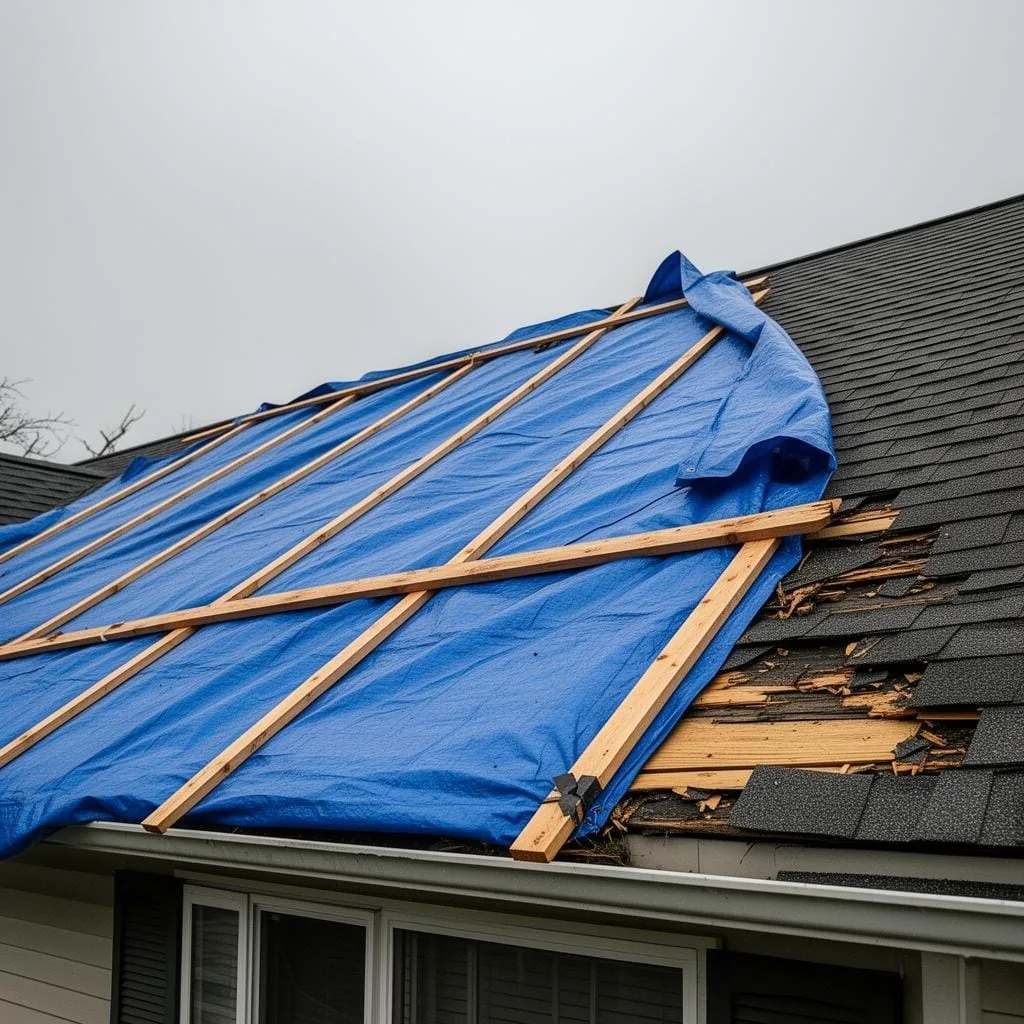
Emergency roof tarping is a temporary fix where you cover damaged parts of a roof with heavy-duty tarps, usually held down with nails, screws, or weighted battens. The main goal is to keep water, wind, and debris out until you can schedule a permanent repair or replacement. It doesn't fix structural issues but does prevent secondary damage, which is often the most expensive part of storm recovery.
Tarping is common after things like tornadoes, hurricanes, severe thunderstorms, and hailstorms. Since Brick Township and other coastal spots see powerful coastal storms, tarping often becomes a necessary short-term fix for many homeowners. Understanding what tarping can and cannot do helps set realistic expectations for the immediate recovery phase.
It also helps contractors stabilize the site so they can plan safe, effective permanent repairs later. A professional tarp job involves creating a weatherproof seal, making sure attic ventilation isn’t compromised, and leaving clear documentation and photos for claims and repair planning.
Types of tarps and materials used
Not all tarps are the same. Modern emergency tarping uses durable, UV-resistant polyethylene or reinforced vinyl tarps that can handle sun exposure, wind, and heavy rain for a good while. These are stronger than regular household tarps and can be cut and shaped to fit your roof while effectively shedding water.
Pros often use pressure-treated wood battens, roofing nails with washers, and special fasteners to secure the tarp without causing more damage. Newer tarp materials come with UV inhibitors and reinforced seams to keep them intact during long exposures. The choice of tarp and securing method depends on roof pitch, access, and how long before the permanent repair.
When it's doable, crews use breathable underlayments or temporary flashing to minimize trapped moisture and let attic systems dry. Picking the right materials reduces the risk that the temporary fix will cause future problems while you arrange long-term repairs.
Professional tarping vs. DIY: pros and cons
DIY tarping can work for flat or very low-pitched roofs in safe weather, but it comes with risks. Many homeowners overlook the dangers of climbing on wet, wind-swept roofs and the know-how needed to secure a tarp correctly to prevent uplift and water intrusion. Incorrect installations can create slip hazards and might even void parts of your insurance if the work leads to more damage.
Professional teams have the experience, safety gear, and materials to ensure a secure, effective temporary roof cover. They also document the condition thoroughly and provide repair estimates, which can be super helpful for insurance claims. For steep roofs, big homes, or any scenario involving structural compromise, calling a licensed contractor is safer and more reliable.
That said, if a crew can’t reach you immediately, like during a widespread storm, taking clear, safe temporary measures yourself, like moving valuables and placing buckets under leaks, can limit further harm until professionals can secure a tarp.
Latest Trends and Developments in Emergency Tarping
Advances in tarp materials and UV resistance
The roofing industry keeps improving temporary protection materials. Today’s tarps often have woven polyethylene with UV stabilizers and reinforced edges that resist tearing in windy conditions. These improvements boost the lifespan of temporary covers and reduce the chance of tarp failure during long recovery periods.
Some manufacturers have even introduced colored and reflective tarp options that cut down on heat absorption and protect interior finishes in summer. In coastal areas where salt spray can speed up material wear, special coatings help maintain waterproofing and tear resistance. These advancements make temporary roof protection more effective and safer.
Investing in higher-quality temporary materials lowers the chance of secondary damage and gives homeowners and contractors more time to process insurance, source materials, and schedule permanent repairs without rushing.
Technology-driven improvements: drones and rapid assessment
Technology has changed how contractors assess storm damage and respond with emergency services. Drones with high-resolution cameras can quickly perform safe aerial inspections right after a storm, identifying damaged areas that might be unsafe for a rooftop inspection. This fast assessment speeds up deployment and provides homeowners with immediate evidence for insurance claims.
Mobile apps and dispatch platforms now let emergency roofing services prioritize calls, route crews efficiently, and provide homeowners with real-time updates on arrival times. These tools are especially handy during large-scale events when resources are stretched, and timely communication reduces homeowner anxiety. Remote documentation, photos, videos, and timestamped reports also strengthen insurance claims and streamlines follow-up repairs.
By integrating technology into emergency response, both service speed and transparency improve. If you want expert evaluation and rapid response, our team uses modern assessment tools to provide accurate recommendations and prompt roof replacement planning when needed.
Industry best practices adopted across contractors
The industry has settled on several best practices for emergency tarping. Quick responses within the first few hours after a loss, secure fastening that avoids unnecessary roof damage, and thorough photo documentation are all standard expectations. Contractors increasingly follow checklists to make sure no critical steps are missed during emergency stabilization.
Another growing practice is blending temporary repairs with early preparation for permanent replacement. Crews might mark compromised decking and provide a prioritized list of repairs so homeowners understand staging and costs. This structured approach boosts transparency and reduces surprise costs during final restoration.
Quality-focused roofing companies also maintain clear communication with insurers, providing the documentation and estimates needed to support claims. If you need a professional who follows industry best practices, consider scheduling a prompt inspection so temporary measures and long-term repairs are coordinated efficiently.
When to Call Professionals: Prompt Response and Safety
Signs you should contact emergency roofing services immediately
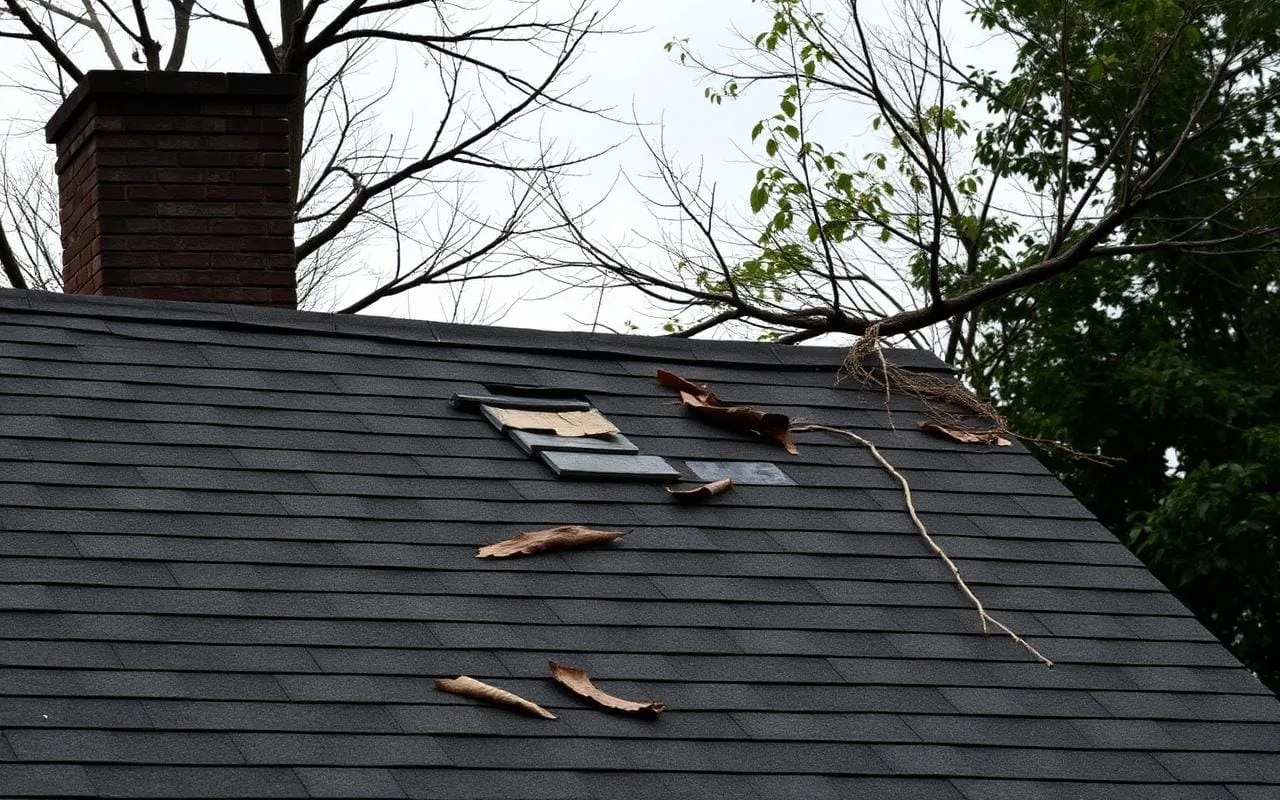
Certain warning signs mean you should call in the pros right away. Active leaks, visible holes, missing large sections of roofing, sagging rooflines, and exposed attic insulation are all signs that you need rapid stabilization. If you see water pouring through ceilings or signs of structural compromise, treat it as an emergency and contact a pro immediately.
Even if damage looks minor from the outside, hidden problems like compromised decking or loosened flashings can let water in, expanding over time. A prompt professional assessment can prevent small issues from becoming expensive problems. Document visible damage with photos and videos before temporary work is done. This supports claims and helps contractors plan the right intervention.
Our experienced teams respond quickly to emergency requests and can provide secure temporary protection that minimizes further harm. For immediate assistance, our emergency services are accessible via emergency roof repair requests, and we offer clear communication through the entire stabilization and repair process.
Safety considerations for homeowners
Safety is the top priority after a storm. Climbing on a wet or wind-blown roof can be slippery and dangerous, and unseen structural damage increases the fall risk. Homeowners should avoid accessing the roof unless it's unquestionably safe, and always prioritize personal safety over attempting a temporary fix.
Inside, move valuables away from leaking areas, use buckets and towels to contain water spread, but avoid using ladders or making improvised roof repairs during unstable weather. Turn off electrical circuits if water is intruding near outlets or fixtures, and consult a licensed electrician if there's any electrical involvement. Professional crews are trained and equipped for rooftop work in hazardous conditions, and allowing professionals to handle the high-risk tasks is the safest course.
If you’re unsure whether a situation is safe, contact our office for an immediate assessment and advice. We can guide you through securing your home safely until crews arrive and provide emergency temporary measures that protect both people and property.
What professional crews provide during an emergency call
A professional emergency crew will conduct a quick, documented assessment, recommend the right temporary protection, and secure a tarp system to cover the damaged area. Crews also identify immediate hazards like weakened chimneys or compromised roof trusses and advise on interim measures to protect occupants. Properly trained teams use safety equipment, fall protection, and installation techniques to minimize further damage risk.
After tarping, contractors usually provide a written report with photos and a recommended timeline for permanent repairs. They can also coordinate with your insurer or provide a detailed estimate that supports your claim. This level of service reduces uncertainty and helps homeowners move from emergency stabilization to full restoration efficiently.
For a dependable professional response and comprehensive follow-through, contact Quality Roof Pro to schedule an inspection and secure temporary protection immediately. Our team can also advise on next steps, including full roof installation or replacement scheduling when needed.
Step-by-Step Emergency Tarping Process
Initial assessment and documentation
The first step in any emergency tarping job is a thorough assessment and documentation of the damage. Professionals take high-res photos and videos of the affected area, both from outside and inside, and log the time and conditions of the assessment. This documentation is crucial for insurance claims and helps contractors create an accurate scope of work for the temporary stabilization and eventual repair.
During the assessment, crews evaluate roof pitch, access points, decking damage extent, attic conditions, and potential hazards. They also check for related damage like compromised gutters, fascia, and soffits, as these elements influence how a tarp must be secured. A thoughtful assessment prevents rushed decisions that could lead to incomplete protection or added damage.
Keep a personal copy of all documentation and share it with your insurer and contractor. If possible, record short videos showing water entry and interior impacts. This can clarify the timing and scope of damage during the claims process.
Tarp selection and secure installation techniques
Based on the assessment, crews select the right tarp size and material, measure and cut as needed, and use accepted fastening methods to secure the cover. Tarp installation often uses pressure-treated wood battens nailed over the tarp edges, synthetic washers, and screws or roofing nails in solid decking areas to resist wind uplift. The goal is to create a continuous, water-shedding surface that directs storms away from openings.
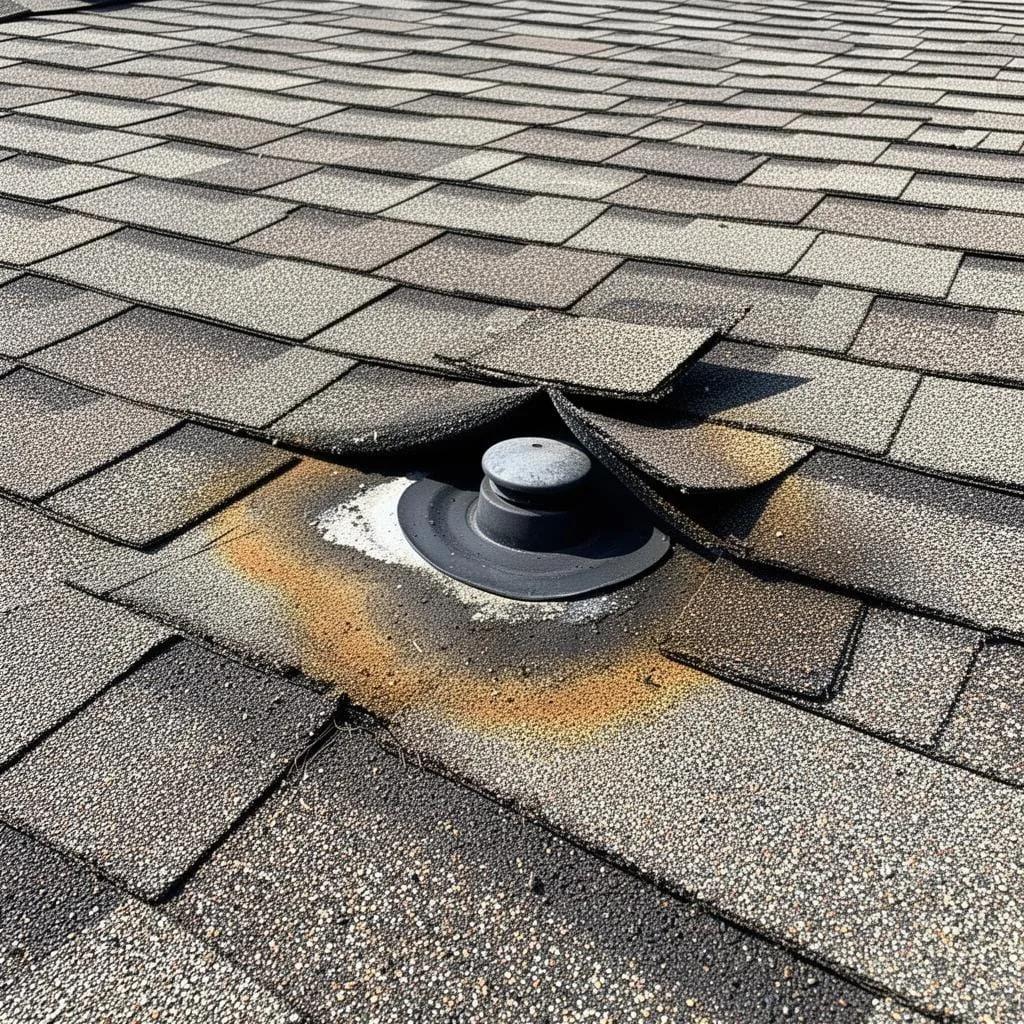
Installers pay special attention to transitions around chimneys, vents, and flashing to avoid creating new leak points. Temporary interior measures like ensuring attic ventilation and removing wet insulation might be recommended to prevent mold and structural degradation. A professionally done tarp job balances speed with durability, offering reliable protection until a permanent repair can be completed.
After installation, professionals usually perform a final inspection and take documentation photos showing the tarp’s coverage and condition. They provide homeowners with care instructions and a recommended timeframe for permanent repairs, helping keep everyone aligned on next steps.
Post-tarping repairs and insurance coordination
Once a tarp is in place, the focus shifts to planning permanent repairs and coordinating insurance. Contractors give detailed estimates that include decking replacement, shingle or membrane replacement, flashing repairs, and any needed structural work. These estimates should be shared with your insurance adjuster to kick off the claims process and secure funding for full restoration.
Keep communication lines open with both your contractor and insurer. Some homeowners benefit from having the contractor meet with the adjuster to ensure the repair scope is accurately understood. Contractors can also provide construction schedules that outline staging for permit inspections, material delivery, and final installation, helping homeowners manage disruption and expectations.
If insurance covers the event, temporary tarping costs are typically included under emergency services or temporary repairs. Keep invoices and work orders from the tarping crew to submit for reimbursement. If you need help navigating the insurance process, our team can assist with documentation and direct communications with adjusters to streamline approvals.
Costs, Insurance, and Financial Considerations
Typical cost ranges and factors that influence price
Emergency tarping costs vary depending on roof size, accessibility, damage extent, and local labor rates. Typical professional emergency tarping ranges from about $300 to $1,500 for many residential properties, though complex jobs or large multi-story roofs can exceed this range. Factors that increase cost include steep roof pitch, tough access, extended tarp coverage, and material upgrades such as heavy-duty UV-resistant tarps.
Weather conditions and call timing also affect pricing: during widespread storm events, demand surges can increase wait times and costs. Transparent contractors will provide itemized estimates that show labor, materials, and any incidental services, so homeowners understand what they’re paying for and why the work was necessary.
Always get documentation and an itemized invoice for tarping work so you can submit it to your insurer. If you’re worried about cost, discuss options with your contractor; in many cases, a basic, secure tarp job can be delivered with high-quality materials at a reasonable price while still providing necessary protection.
How insurance typically handles emergency tarping
Most homeowners' insurance policies cover emergency tarping and temporary repairs when damage results from covered perils like windstorms, hail, or lightning. Insurers expect homeowners to take reasonable steps to mitigate damage, and emergency tarping qualifies as such mitigation. However, coverage details and limits vary by policy, so verifying terms with your carrier is important.
When filing a claim, submit photos, documentation, and invoices from the tarping contractor. A professional tarp job that includes detailed documentation often speeds up the adjuster’s review. If you have questions about policy language or coverage, consult your insurer or an insurance advisor to clarify reimbursement processes and any applicable deductibles.
If you want support in communicating with your carrier, our team can provide the documentation and estimate formats that many insurers prefer, helping you get timely approvals for permanent repairs or replacement, including a full roof replacement if necessary.
Financial assistance and government resources
In large-scale disasters, federal and state recovery programs may be available to supplement insurance. The Federal Emergency Management Agency (FEMA) offers guidance on disaster recovery and can assist in declared disaster areas. Homeowners should check official FEMA resources for program availability and eligibility for aid.
Local government agencies and state departments may also offer temporary repair guidance, contractor lists, or financial assistance programs for low-income homeowners. Checking official state resources or contacting local emergency management offices provides the most accurate and current options for assistance. Reliable information is available through agencies like the National Oceanic and Atmospheric Administration for storm preparedness and federal disaster resources.
For more in-depth disaster and preparedness information, consult FEMA’s guidance and NOAA’s storm resources to understand available support during recovery phases and to prepare for future events.
Case Studies and Local Relevance: Brick Township and Coastal Storms
Hurricane Sandy and lessons learned
Hurricane Sandy’s impact on New Jersey communities shows why emergency tarping is vital. After the storm, many homeowners used tarps to stop water intrusion while dealing with slow insurance processes and limited contractor availability. Timely tarping reduced interior damage, curbing mold growth and saving thousands in avoidable repairs.
The Sandy experience highlighted the importance of having relationships with reputable contractors and the value of taking damage photos immediately after the event. It also showed how local roofing companies' coordinated responses helped prioritize the most critical needs in heavily impacted neighborhoods.
Residents learned that temporary protection, combined with a clear plan for permanent repairs, speeds up recovery and helps communities bounce back faster. Keeping contact lists for trusted contractors before storm season is one of the most practical lessons homeowners can apply.
Specific risks for Brick Township homeowners
Brick Township is in Ocean County and faces coastal storms, heavy rainfall, and occasionally high winds that increase the risk of roof damage. Salt-laden air can speed up metal flashings and fasteners’ corrosion, while wind-driven rain can lift shingles and expose underlayment. Understanding these local conditions helps homeowners and contractors choose materials and tarping strategies that consider both immediate and seasonal risks.
Because of these localized challenges, residents benefit from working with contractors familiar with coastal performance issues, building codes, and material selections. Quality Roof Pro has experience serving Brick Township homeowners and provides service tailored to coastal conditions, including guidance on durable materials and preventative maintenance schedules.
If you live in a coastal area and face storm damage, quick tarping and a thoughtful restoration plan are key to limiting long-term costs. Contact our office for region-aware recommendations and reliable emergency response tailored to Brick Township’s coastal environment.
How local contractors coordinate during major events
During widespread storm events, local contractors often form informal networks to triage calls and allocate resources efficiently. Coordination can include prioritizing homes with active interior leaks, structural exposure, or vulnerable populations such as elderly homeowners. These arrangements help reduce response times and ensure the most critical issues are handled first.
Contractors also communicate with municipal emergency services and building departments to navigate permits and safety inspections when required. Local knowledge speeds up permitting and restoration processes and reduces bureaucratic delays during high-volume recovery periods. Choosing a local contractor with established community ties often leads to faster, more efficient service.
Our team participates in local response efforts and maintains clear channels with municipal partners, enabling us to provide timely assistance and appropriate documentation for recovery efforts. If you need immediate help, reach out to schedule an assessment and secure temporary protection.
Frequently Asked Questions and Troubleshooting
How quickly can tarping be done?
Reputable contractors aim to tarp roofs within 4–12 hours of a storm under normal circumstances, but during major events, wait times can extend due to high demand. Rapid-response crews use triage systems to identify the most urgent needs and deploy to homes with active water intrusion or severe structural exposure first. If you’re unsure about expected arrival times, ask the contractor about their current lead times and triage procedures.
Homeowners should document damage immediately and keep records of communications with contractors to verify timelines for insurance purposes. Even if a crew can’t arrive immediately, taking initial mitigation steps indoors, like moving valuables and protecting furnishings, reduces overall risk while waiting for professional tarping.
For urgent situations, calling an experienced team with local resources and a clear triage protocol improves the likelihood of a timely response. Contact our emergency team to get precise arrival estimates and immediate advice on interim measures you can safely take.
Is DIY tarping advisable?
DIY tarping can be suitable for small, accessible roofs in calm conditions, but it’s not recommended for steep pitches or during hazardous weather. Without proper fall protection and fastening methods, homeowners risk injury and may unintentionally create additional damage. If you opt for a DIY tarp, use high-quality materials, secure edges properly, and avoid driving nails into compromised decking.
Safer DIY alternatives include moving valuables away from vulnerable areas, placing buckets under active drips, and documenting damage with photos and video for your insurer. These steps help reduce immediate interior harm while you wait for a professional crew. Ultimately, for any roof that requires extensive coverage or poses safety concerns, professional tarping is the prudent choice.
When in doubt, consult with an emergency roofing contractor for guidance on whether your home is suitable for DIY measures and what temporary interior steps you should take. We’re available to advise homeowners on safe practices and to schedule professional tarping when needed.
Troubleshooting common tarp failures
Common failures include wind uplift, seam leaks, and fastener pull-through on compromised decking. Wind uplift is typically prevented by using battens and adequate fastening points; if the decking is deteriorated, installers must find solid substrate areas or use supplemental battens to distribute loads. Seam leaks can be reduced by overlapping tarps correctly and using taped seams or reinforced tarp systems.
If a tarp begins to sag and hold water, it can introduce added weight and create new leak pathways. Timely inspection and adjustment after high winds or extended exposure is essential. Professional crews often schedule a follow-up check to ensure tarps remain secure and effective until permanent repairs are completed.
Should a temporary tarp fail, document the condition immediately and contact your contractor for remedial action. Keeping records of these events helps with insurance documentation and ensures full coverage during the permanent repair process.
Conclusion: Next Steps and Call to Action
Key takeaways
Emergency roof tarping is a time-sensitive measure that prevents further water intrusion and reduces secondary damage after storm events. Prompt professional response, proper material selection, and thorough documentation are essential elements that protect your home and support insurance claims. Modern trends like improved tarp materials and drone-assisted assessments have enhanced the effectiveness and speed of emergency services.
When a storm damages your roof, prioritize safety, document the situation, and contact experienced professionals to secure your property with a durable tarp until permanent repairs can be scheduled. Doing so protects your home and can save significant repair costs in the long run.
If you’re facing storm damage or want a rapid assessment, Quality Roof Pro is available to help Brick Township homeowners with fast, professional emergency tarping and full repair services. We provide clear documentation for insurers, safe and secure installations, and comprehensive planning for long-term restoration.
Contact Quality Roof Pro
For immediate assistance, call Quality Roof Pro at (732) 770-3867 or email us at info@qualityroofpro.com. We offer rapid emergency response, professional tarping, and full-service repairs, including roof installation and roof replacement. Our office is located at 233 Lake Rd, Brick Township, NJ 08724, and we are ready to respond to urgent needs.
Don’t wait until small leaks become major problems. If you suspect storm damage, reach out now to arrange an inspection and secure reliable temporary protection. Protect your home, preserve your belongings, and prepare for a smooth claims and repair process with experienced professionals at your side. For service options and to learn more, visit our emergency services page or schedule a consultation online.
External resources and trusted guidance: For authoritative storm preparedness and recovery information, see the National Oceanic and Atmospheric Administration hurricane resources at NOAA, FEMA disaster recovery guidance at FEMA, and an overview of storm damage context on Wikipedia. These sources provide high-level context and official guidance that complement the practical steps outlined above.