To measure a window for replacement, take three width measurements (top, middle, bottom of the opening) and three height measurements (left, middle, right). Use the smallest number of each set - that’s your replacement size. Measure jamb-to-jamb on the inside of the existing frame, not the glass. Standard double-hung windows in NJ run about 24-36 inches wide and 36-60 inches tall, but every house has surprises. Depth matters too: measure from the inside trim to the outside trim to know whether you have a standard 4-9/16 inch jamb depth or something thicker. The most common mistake is measuring the existing sash instead of the rough opening - that costs you a reorder. This guide walks through each measurement, the tools you need, and when to bring a pro for the measure.
What You’re Actually Measuring
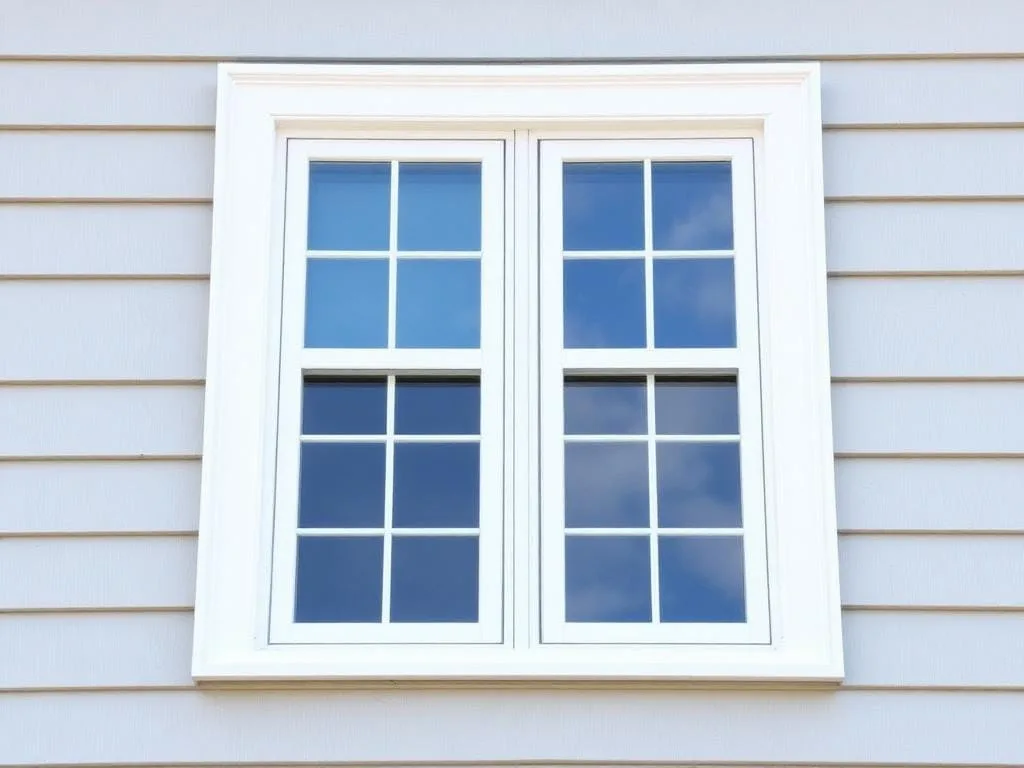
Replacement windows install inside the existing frame (in most cases - this is called “insert” or “pocket” replacement). You’re measuring the inside of the existing frame, jamb to jamb and sill to head. The new window will sit inside that opening with a small expansion gap around the perimeter.
Full-frame replacement (where the old frame comes out and a new frame goes in) uses a different measurement called the rough opening. That’s a separate conversation.
Width - The Three-Point Measurement
Measure width at three points: top, middle, bottom of the opening. Use the smallest number.
The reason: house frames settle, sometimes unevenly. A window opening that’s 35 inches at the top and 34-7/8 at the bottom needs a 34-7/8 wide window. If you order based on the wider measurement, the window won’t fit.
Round down to the nearest 1/8 inch. Standard sizes from major manufacturers come in 1/8 inch increments.
The three-point measurement is the single most common thing homeowners get wrong when DIY-measuring. They take one measurement at eye level and call it good. Then the window arrives, doesn’t fit, and the reorder takes another 4-6 weeks because custom windows are made to order. We’ve measured plenty of openings where the variation between top and bottom was 3/8 of an inch. That’s enough to send the wrong-size window back to the manufacturer.
Height - Same Three-Point Method
Measure height at three points: left, middle, right of the opening. Use the smallest number.
Same logic as width. Frames settle. Windowsills sometimes sag. The smallest measurement is the safe one.
Measure from the high point of the sill to the underside of the head jamb. Don’t include the trim or the stool (interior sill).
Depth (Jamb Depth)
Depth is how thick your existing frame is. Standard residential jamb depth in NJ homes is 4-9/16 inches (matches 2x4 wall construction with drywall). Older homes with plaster walls or 2x6 construction can have 5-1/2 inch or thicker jambs.
Measure from the inside edge of the interior trim to the outside edge of the exterior trim. This determines what thickness window the manufacturer ships.
Insulated, energy-efficient windows can be 3-3/4 inches thick on the frame side, which works fine in a 4-9/16 jamb but leaves more space for trim and weatherproofing.
Tools You’ll Need
- Steel tape measure - 25 ft. Lock it open before reading.
- Pencil and notepad - write down each measurement before moving on.
- Step stool or short ladder - safely reach the top of the opening.
- Phone camera - photograph each window opening with the tape measure visible. Useful when the order arrives and you want to double-check.
Common Mistakes That Cause Reorders
- Measuring the sash instead of the opening. The sash (the moving part) is smaller than the opening. Measure the opening.
- Single-point measurement. Take three of each dimension. Use the smallest.
- Including the trim. Trim isn’t part of the window. Measure inside the trim.
- Rounding up. Always round down to the nearest 1/8 inch.
- Mixing units. Stay in inches. Don’t switch to fractions of feet halfway through.
- Skipping depth. A window that’s the right width and height but wrong depth still won’t fit.
When to Call a Pro for the Measure
If you’re ordering 6+ windows for a full-house replacement, get a pro measure. Custom windows aren’t returnable, and the cost of a reorder on one window is bigger than the labor saved by self-measuring.
If your house is 50+ years old or has visible settling (uneven floors, sticking doors), get a pro measure. The variation between top, middle, and bottom can be larger than DIY methods catch.
Free measure with our window replacement service. We bring the tape, the camera, and we eat the reorder if we measure wrong. For broader project pricing, see our vinyl siding cost guide. For technical reference, see the NFRC homeowner window guide on window sizing and energy ratings.
Want a Free Pro Measure?
We measure every opening, photograph it, and send a written quote within 24-48 hours.